
Car Detailing Kuwait: What Your Car Actually Needs
Car detailing Kuwait services protect paint, interiors and resale value. Learn what a proper detail includes, when to book, and what results to expect.
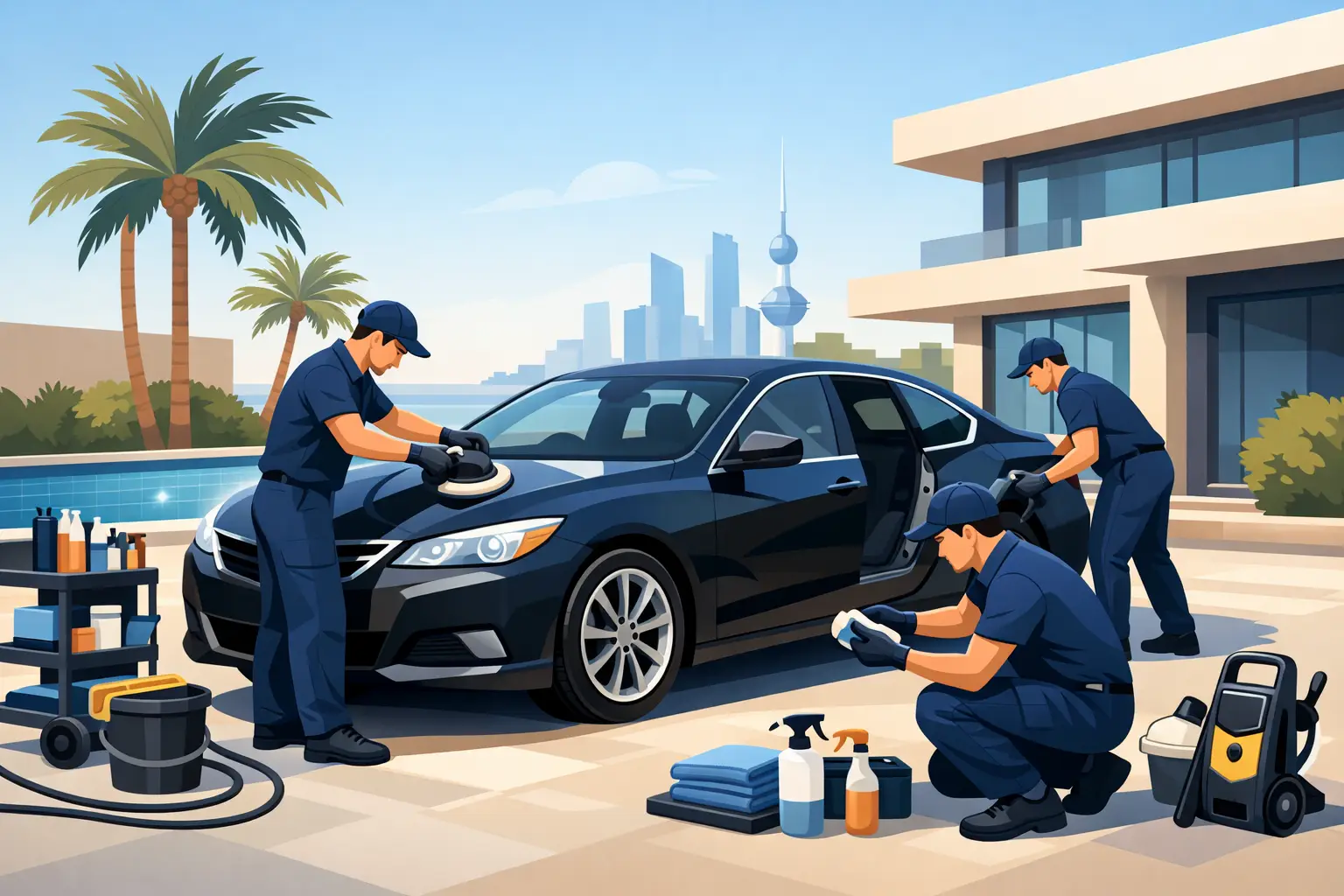
Kuwait’s heat, dust, bright sun, and frequent short trips can make a vehicle look older than it is. Fine sand settles into paintwork, leather dries under direct sunlight, and interior surfaces collect dust faster than many drivers expect. Car detailing Kuwait services are designed to address this gradual wear with more care than a standard wash.
A proper detail is not about making a car look glossy for one afternoon. It is a structured cleaning and preservation service that focuses on the surfaces people see and touch every day: exterior paint, wheels, glass, seats, carpets, dashboard materials, and trim. The right scope depends on the vehicle’s condition, how it is used, and whether the priority is daily comfort, appearance, or preparing it for sale.
What Car Detailing Kuwait Usually Includes
Car detailing goes beyond removing visible dust. A standard exterior wash may clean loose dirt from the body and wheels, but detailing pays closer attention to contamination, stains, neglected areas, and surface condition.
Exterior work commonly starts with careful washing of the body, wheels, tires, wheel arches, glass, door openings, and lower panels. These areas often hold sand, road grime, and residue that can make a vehicle look dull even after a quick wash. Depending on the agreed service scope, the detail may also include treatment for exterior trim, tire finishing, glass cleaning, and paint protection.
Interior detailing is often the part owners notice most immediately. It can include vacuuming carpets and seats, cleaning door panels, cup holders, dashboard surfaces, center consoles, vents, interior glass, and luggage areas. Fabric seats and carpets may need stain treatment, while leather or leatherette surfaces need cleaning products appropriate for the material.
A professional provider should inspect the vehicle before beginning and explain any limitations. Deep stains, permanent discoloration, paint chips, scratches, worn coatings, and damaged trim may improve cosmetically, but they cannot always be removed through cleaning alone. Clear communication matters because detailing should improve condition without creating unrealistic expectations.
Detailing Is Different From a Car Wash
A car wash is useful for regular upkeep. It removes surface dust and helps keep the vehicle presentable between more thorough services. Detailing is more suitable when dirt has built up over time, the cabin has odors or stains, the paint has lost its clean appearance, or the car needs closer preparation before a handover or sale.
The difference is mainly in time, process, and attention to each surface. A wash is a routine clean. A detail is condition-based care.
For example, a family vehicle may need detailed treatment around rear seats, carpets, storage areas, and door trims. A vehicle used for client visits may need a cleaner exterior finish and spotless glass. An SUV that frequently travels on open roads may need additional attention around wheels, lower body panels, and the luggage compartment.
When Your Vehicle Needs More Than Routine Cleaning
There is no single schedule that suits every vehicle in Kuwait. Cars parked outdoors, driven daily, used by children, or exposed to construction dust typically need more frequent attention than vehicles kept under cover and used occasionally.
Consider arranging a detail when you notice that the interior still feels dusty after a normal clean, stains are becoming harder to remove, windows leave glare at night, or the exterior looks flat even after washing. Odors from food, pets, smoke, moisture, or long-term air-conditioning use are another reason to request an interior-focused assessment.
Other common signs include rough-feeling paint, faded plastic trim, dirty seat creases, sand trapped in carpets, residue around door handles, and buildup in cup holders or storage compartments. Addressing these issues early is generally easier than waiting until soil and stains become deeply embedded.
For many owners, a full detail once or twice a year, supported by regular washing and interior cleaning, is a sensible starting point. That frequency may increase for vehicles that spend most of the day outdoors or carry passengers, equipment, or children regularly. It depends on use and parking conditions, not simply the vehicle’s age.
Paint Care in Kuwait’s Climate
Exterior paint faces constant exposure to ultraviolet light, dust, airborne particles, and heat. These conditions do not mean every car needs extensive paint correction or a premium coating. They do mean that paint care should be considered part of regular vehicle maintenance rather than an occasional cosmetic extra.
A detailing provider may recommend decontamination, polishing, or a protective finish based on the paint’s actual condition. Polishing can improve the appearance of light marks and dullness in some cases, but it is not a solution for every defect. Deep scratches, stone chips, peeling clear coat, and accident damage need a different assessment.
Protection products can make future cleaning easier and help the surface maintain a cleaner appearance. Their performance depends on preparation, how the car is parked, washing habits, and exposure. A vehicle that remains outside through long summer days will need more ongoing care than one parked indoors.
It is also worth being cautious with aggressive polishing. Repeated correction work can remove a small amount of paint or clear coat. A responsible provider should recommend only the level of treatment that the vehicle needs, rather than treating every car as a major restoration project.
Interior Detailing Should Protect Comfort, Not Just Appearance
The cabin is where heat and dust become most noticeable. Dashboard surfaces can become sticky or faded, leather may dry out, and sand works its way into seat tracks, floor mats, and upholstery. Interior detailing is most effective when the products and methods match the materials inside the vehicle.
For leather, the goal is controlled cleaning and appropriate conditioning, not a slippery or overly shiny finish. For fabric seats and carpets, stain treatment may be helpful, but older stains can leave a mark even after professional cleaning. For screens, instrument panels, and delicate trim, overly wet methods or harsh cleaners should be avoided.
If an interior odor persists, it may not be caused only by upholstery. A spill beneath a seat, moisture in carpeting, or an issue linked to the vehicle’s air-conditioning system can contribute. Detailing can address surface cleanliness, but it does not repair mechanical faults or replace vehicle servicing. If there are signs of weak cooling, unusual smells from vents, water leaks, or electrical warnings, arrange an appropriate automotive inspection rather than relying on a detail alone.
What to Discuss Before Booking a Detail
A clear request helps the provider prepare the right service scope. Explain whether your main concern is exterior appearance, interior cleaning, pet hair, food stains, odors, sale preparation, or protection from outdoor exposure. Share any known damage or material concerns, especially damaged leather, loose trim, aftermarket coatings, or sensitive accessories.
It is useful to ask what areas are included, whether seats and carpets receive deep cleaning, how exterior protection is handled, and what drying time the vehicle may need. If you are arranging service for a fleet, office vehicle, rental unit, or company car, confirm whether the work will be completed at one location and how vehicle handovers will be managed.
Good detailing is not measured only by shine. Look for clean edges around doors, clear interior glass, properly finished wheels, dust-free vents, and surfaces that feel clean without heavy fragrance or greasy residue. The vehicle should look cared for while remaining comfortable and practical to use.
Choosing a Managed Car Detailing Service
The best fit is a provider that defines the work clearly and communicates before, during, and after the service. This is particularly important for busy homeowners, tenants, property managers, and businesses that cannot spend time resolving unclear scopes or missed expectations.
Ask for an assessment based on the vehicle’s present condition rather than selecting the most extensive option by default. A newer car with light dust may only need careful maintenance detailing. A neglected family vehicle may need deeper interior work. A car being prepared for sale may benefit from a balanced exterior and cabin service, but it may not be sensible to pursue corrections that exceed the vehicle’s likely return.
Tasleeh Network connects customers with approved specialist providers for car services, using defined service scopes and organized customer communication. That approach is useful when you want to understand what will be handled before the work starts.
A well-maintained vehicle is easier to enjoy, easier to present, and easier to keep clean over time. Start with the condition that is actually in front of you, then choose detailing work that solves those specific issues without adding unnecessary treatments.