
Car Maintenance in Kuwait: Warning Signs and Timing
Practical car maintenance in Kuwait: learn what to check, warning signs to act on, and when professional service helps prevent roadside trouble during heat.
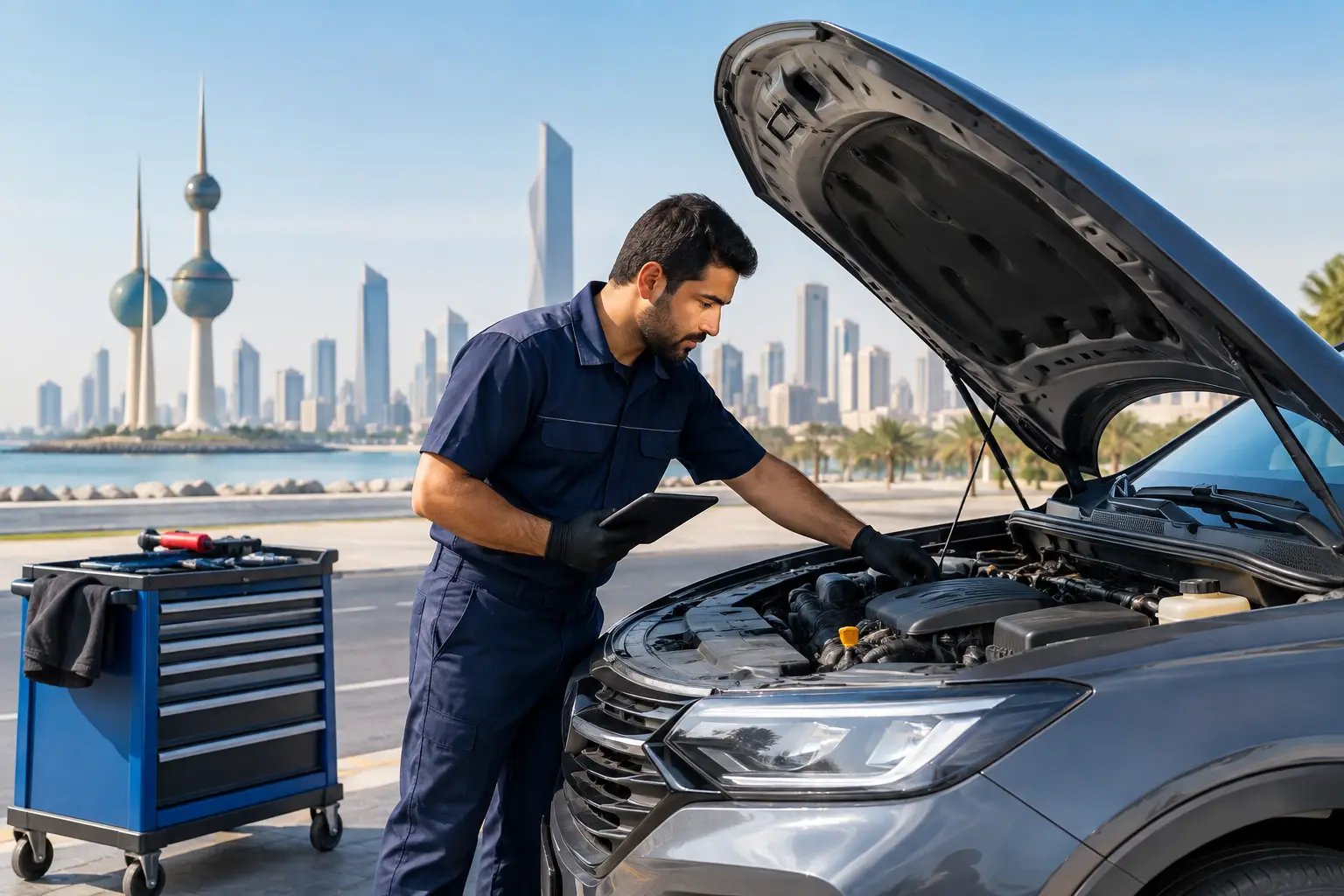
A car that starts normally in the morning can still be close to a breakdown by afternoon. High temperatures, dust, heavy traffic, and long periods of outdoor parking put added strain on vehicles in Kuwait. Regular car maintenance helps identify wear before it becomes a roadside problem, a missed workday, or a more extensive repair.
For vehicle owners, the goal is not to understand every mechanical detail. It is to recognize what needs attention, arrange qualified service at the right time, and keep a clear record of the work completed. That approach is especially useful for households with more than one vehicle, landlords providing vehicles, and businesses managing company cars.
Why car maintenance matters in Kuwait
Heat affects more than cabin comfort. It places pressure on the battery, cooling system, tires, engine fluids, and air conditioning. Dust can also reduce airflow through filters and settle around parts that need clean, reliable operation. A vehicle that receives only occasional attention may appear fine until these stresses combine.
Preventive service is usually less disruptive than waiting for a warning light or a breakdown. It gives a technician the opportunity to inspect the vehicle according to its condition, mileage, age, and manufacturer recommendations. The right frequency depends on how the vehicle is used. A car driven daily in city traffic has different needs from one used mainly for short local trips or kept parked for long periods.
Maintenance also supports resale value and day-to-day reliability. Service records show that routine work was not ignored, which can help a future buyer understand how the vehicle has been cared for.
The main areas a professional service should assess
A proper car maintenance visit is more than an oil change. The exact scope varies by vehicle, but it should address the systems most likely to affect safety, drivability, and comfort.
Engine oil and essential fluids
Engine oil reduces friction and helps protect internal components. Over time, oil degrades and may no longer perform as intended. A technician can replace it at the appropriate interval and check related filters, along with the condition of other essential fluids.
Fluid concerns are not always obvious from the driver’s seat. A burning smell, visible leak beneath the car, unusually high engine temperature, or warning light should be assessed promptly. Continuing to drive can turn a manageable issue into damage that is harder to resolve.
Cooling system performance
The cooling system has a demanding job during Kuwait’s hotter months. If it cannot control engine temperature properly, the vehicle may overheat, lose performance, or stop operating safely.
Warning signs include a rising temperature gauge, steam from the hood, a sweet odor, or coolant visible under the vehicle. If overheating occurs, pull over safely, switch off the engine, and arrange professional assistance. Do not open a hot radiator cap or attempt to work on a hot engine.
Battery and electrical checks
Extreme heat can shorten battery life and expose weak connections. Slow starting, dim lights, repeated need for jump-starting, or a battery warning light are all reasons to request an inspection.
Battery-related faults may also appear similar to other electrical problems. A qualified technician can test the battery and charging system rather than replacing parts based on guesswork. This matters because the underlying issue may be a charging fault, damaged connection, or another electrical concern.
Tires, brakes, and suspension
Tires are the vehicle’s only contact with the road, so their condition affects handling, braking, and fuel use. Heat, road surfaces, and normal wear can all contribute to deterioration. Uneven wear, vibration while driving, a steering wheel that pulls to one side, or frequent loss of tire pressure should not be ignored.
Brake concerns require equally prompt attention. Squealing, grinding, a soft brake pedal, vibration during braking, or increased stopping distance are signs that professional assessment is needed. Do not postpone brake service because the car is still moving normally. Braking performance can change quickly once components are worn.
Air conditioning and cabin filters
In Kuwait, air conditioning is a practical requirement for most drivers. Weak cooling, unpleasant odors, unusual noises, or reduced airflow can indicate that the system or cabin filter needs attention.
The cause is not always a simple filter issue. Air conditioning performance can be affected by refrigerant levels, electrical components, compressors, and airflow restrictions. A trained provider should diagnose the fault and explain the recommended work before proceeding.
Warning signs that should not wait for the next service
Some issues can be booked into a routine maintenance visit. Others need faster action because they may affect vehicle safety or cause further damage. Arrange professional assessment if you notice any of the following:
- A dashboard warning light that remains on after starting the vehicle
- Engine overheating, smoke, steam, or a strong burning smell
- Fluid leaks, especially if they are new or increasing
- Difficulty starting, repeated battery failure, or loss of electrical functions
- Brake noise, vibration, reduced braking response, or pulling while braking
- Persistent tire pressure loss, visible tire damage, or strong vibration at speed
- Sudden loss of air conditioning during hot weather
- Unusual knocking, grinding, or clunking sounds while driving
If the vehicle feels unsafe to drive, do not continue the journey simply to reach a workshop. Park safely where possible and arrange appropriate support. A short delay is preferable to placing occupants or other road users at risk.
A practical maintenance schedule
The vehicle owner’s manual remains the starting point for service intervals. It provides the manufacturer’s guidance for oil changes, inspections, filters, fluids, and scheduled replacement items. However, real driving conditions matter too. High temperatures, dusty conditions, stop-and-go traffic, and frequent short journeys may justify more attentive checks.
Many drivers find it useful to think in three timeframes. Before the hotter season begins, arrange an inspection of the cooling system, battery, tires, and air conditioning. During routine servicing, make sure the provider reviews the manufacturer schedule rather than focusing only on the most visible tasks. Before longer road trips, request a general vehicle condition check, particularly if the car has recently shown any warning signs.
A vehicle that has been parked for weeks also deserves attention before regular use resumes. Batteries can weaken, tires can lose pressure, and fluids or seals may show issues after inactivity. This is common with second household cars, seasonal vehicles, and company vehicles that are not driven daily.
What to expect from a professional car service
Clear communication matters as much as the work itself. A professionally managed service should confirm the vehicle details, listen to the symptoms you have noticed, and explain the inspection scope. If additional work is recommended, you should understand the reason, the affected system, and whether the issue is urgent or can be monitored.
It helps to share useful information when requesting service: the vehicle make and model, approximate mileage, warning lights, noises, changes in performance, and any previous repairs. Photos of dashboard warnings or visible leaks can also help describe the concern accurately, provided they are taken safely when the vehicle is parked.
After service, keep the records. Note the date, mileage, work completed, and any follow-up recommendation. This makes future maintenance easier to plan and prevents uncertainty when different drivers use the same vehicle.
Car maintenance and property responsibilities
For building managers and businesses, vehicle care may sit alongside wider maintenance responsibilities. Delivery vehicles, staff cars, security vehicles, and service fleets all need a consistent process for reporting faults and arranging inspections. Waiting for a vehicle to fail can interrupt operations and create avoidable scheduling problems.
A simple reporting process works well: drivers report warning lights, unusual sounds, leaks, tire issues, and air conditioning problems as soon as they appear. The person responsible can then arrange the appropriate specialist service and keep a maintenance history for each vehicle.
For homeowners, the same principle applies on a smaller scale. Pay attention to changes in how the car starts, drives, stops, or cools. Early action is usually calmer and more manageable than dealing with a breakdown in traffic or extreme heat.
Car maintenance is not about repairing everything before it fails. It is about giving the vehicle the right attention at the right time, so small signs are handled before they become larger interruptions.