
Emergency Electrical Repair Kuwait Safe Next Steps
Need emergency electrical repair Kuwait? Learn when to isolate power, what to report, and how trained technicians restore operation in homes and buildings.
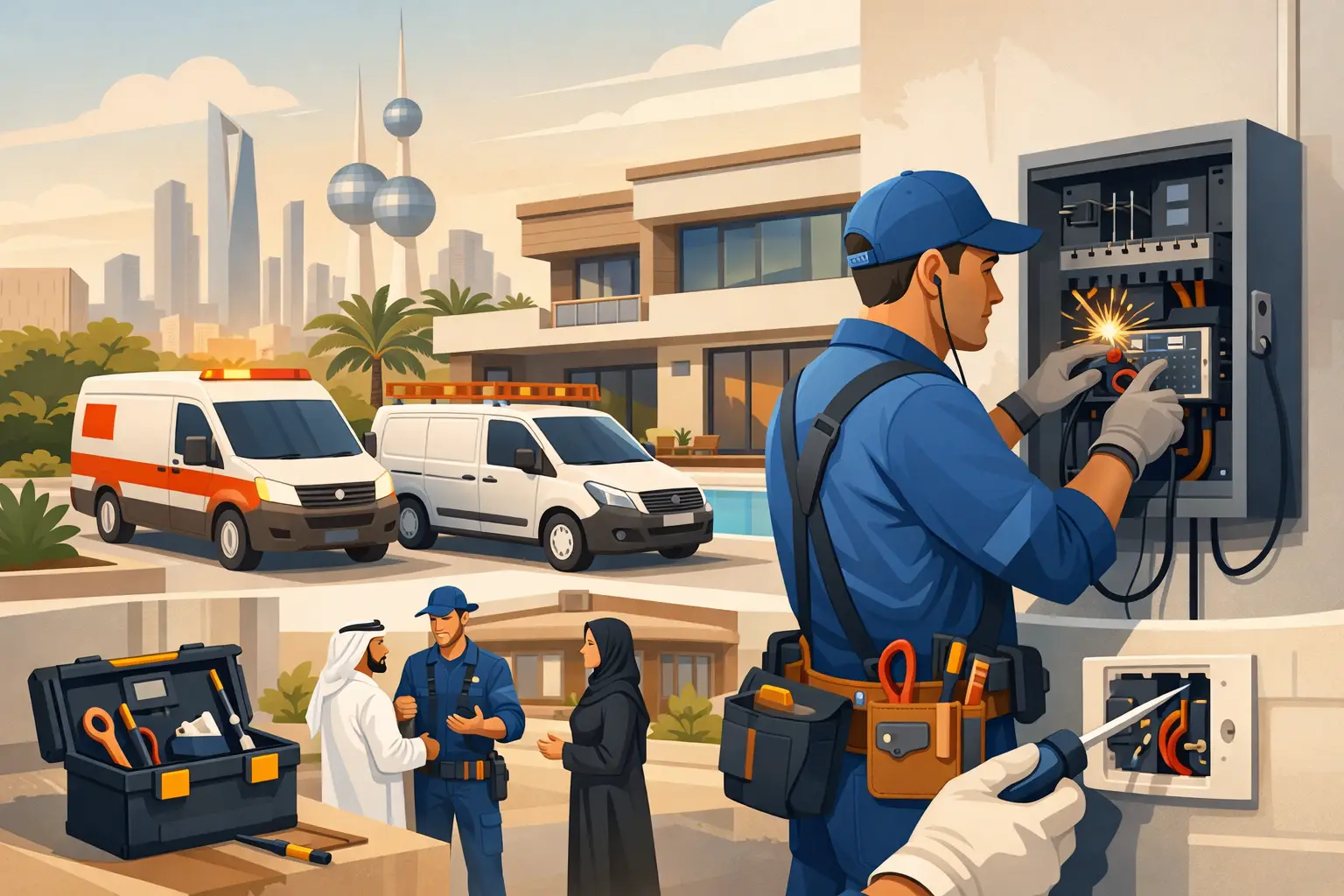
A burning smell near an outlet, repeated breaker trips, or a sudden loss of power in part of a property should not be treated as a routine inconvenience. Emergency electrical repair Kuwait services are needed when an electrical fault may put people, equipment, or the building at risk. The right response is to make the area safer, avoid touching damaged equipment, and arrange a qualified electrical assessment.
Electrical emergencies can affect a villa, apartment, office, retail space, or shared building area differently. A single failed light may be a minor issue. Heat around a switch, sparks, water near electrical equipment, or a loss of power affecting essential systems requires a faster and more careful response.
When an Electrical Problem Is an Emergency
The urgency depends on what is happening, where it is happening, and whether there are signs of heat, damage, or electrical exposure. A technician should inspect the issue promptly when there is a potential fire hazard, a risk of electric shock, or a fault that is disrupting essential building systems.
Common warning signs include:
- A burning odor, smoke, visible sparks, or discoloration around outlets, switches, panels, or wiring
- A breaker that trips repeatedly after being reset, particularly when it affects the same circuit
- Electrical equipment, outlets, or switches exposed to leaking water or flooding
- Hot switches, outlet covers, plugs, or electrical panels
- A partial or complete power loss affecting lighting, air conditioning controls, security systems, or business operations
Do not assume that a breaker trip is harmless simply because power returns after a reset. Breakers are designed to interrupt power when they detect a problem. Repeated tripping can point to an overloaded circuit, a faulty appliance, damaged wiring, moisture, or a problem inside the distribution panel. The cause needs to be identified before the circuit is returned to normal use.
If smoke, flames, or an immediate danger to people is present, move away from the affected area and contact the appropriate emergency authorities. Do not attempt to handle burning electrical equipment or use water on it.
Safe First Actions Before Emergency Electrical Repair Kuwait
The goal before professional help arrives is not to diagnose or repair the fault. It is to prevent the situation from becoming worse while keeping people away from possible electrical hazards.
If it is safe to do so, stop using the affected outlet, switch, appliance, or circuit. Keep children, staff, tenants, and visitors away from the area. Avoid touching electrical items with wet hands or standing on a wet floor near an outlet, panel, or damaged cable.
Where an electrical issue is connected to a water leak, treat both problems seriously. Water can travel behind walls, above ceilings, and through floor areas before it reaches an electrical point. Do not touch the electrical equipment to investigate it. A managed response may require both electrical and plumbing attention so that the water source and the electrical risk are addressed in the correct order.
If the main electrical panel can be accessed without approaching water, damage, smoke, or exposed wiring, the property owner or responsible person may turn off power to the affected circuit or, if necessary, the main supply. If there is any doubt about safety, leave the panel alone and wait for a qualified technician or emergency authority. Never remove panel covers or attempt to inspect wiring yourself.
Information That Helps a Technician Respond Properly
Clear information helps an electrical service provider understand the likely scope of the issue and arrive prepared. When reporting the problem, explain what happened immediately before the fault, whether any appliance was in use, and which rooms or systems have lost power.
It also helps to mention whether there has been recent water leakage, renovation work, unusual weather exposure, or a previous history of breaker trips. For commercial properties, note whether the fault affects customer areas, refrigeration, office equipment, lighting, access control, or other operational systems.
You do not need to identify the technical cause. Describing what you can see, smell, hear, and safely observe is enough. For example, say that a switch feels hot, a circuit trips when the air conditioner starts, or lights flicker in several rooms. This gives the technician useful context without asking anyone on site to take risks.
What a Professional Electrical Assessment Should Cover
A proper emergency visit starts with making the area safe. The technician will assess the affected circuit, outlet, switch, panel, or connected equipment and look for signs of heat, loose connections, overload, moisture, or damaged components.
The next step depends on the fault. In some cases, the affected circuit can remain isolated while a damaged outlet, breaker, cable, or connection is repaired. In others, the technician may find that an appliance or piece of equipment is causing the issue and should remain disconnected until it is separately serviced.
For buildings and businesses, the assessment should also consider the wider effect of the fault. A local lighting issue is different from a panel problem that affects multiple offices, common areas, or critical equipment. The service scope should be clear: what has been made safe, what has been repaired, what remains isolated, and whether further work is needed.
Tasleeh provides managed electrical support as part of its Core Trades operations, helping property owners and managers coordinate essential MEP Maintenance Services Kuwait with clear communication and controlled service standards.
Electrical Problems That May Not Need an Emergency Call
Not every electrical issue requires an emergency response, but it should still be assessed when it affects safe everyday use. A loose outlet cover, a failed light fixture, an additional socket requirement, or a switch that no longer works can often be scheduled as standard electrical maintenance if there is no heat, sparking, water exposure, or loss of essential service.
The trade-off is simple: waiting may be reasonable for a contained, non-hazardous fault, but it is not appropriate when warning signs are present. If you are unsure whether a problem is urgent, describe the symptoms when requesting service. A qualified provider can help determine the correct level of response.
Frequent minor faults should not be ignored either. Flickering lights, occasional breaker trips, or outlets that work intermittently can become more disruptive over time. Addressing these issues early can reduce the chance of a larger failure during periods of high electrical use.
Preventing Repeat Electrical Faults
Once an urgent issue has been resolved, it is worth considering why it occurred. Older properties, extensions, changing tenant needs, and added equipment can place more demand on circuits than they were originally designed to carry. Offices may add workstations and printers. Villas may add air conditioning equipment, outdoor lighting, or pumps. Retail spaces may rely on display lighting and refrigeration.
Regular electrical maintenance helps identify signs of wear before they become an emergency. This can include checking panels, connections, outlets, switches, circuit loading, and areas where moisture or heat may affect electrical components. The right maintenance plan depends on the age of the property, the equipment in use, and how critical uninterrupted power is to daily operations.
Keep a record of recurring faults and previous repairs. For landlords and building managers, this creates useful continuity between tenants, maintenance visits, and future electrical work. For homeowners, it provides a clearer picture of whether a one-time fault is becoming a pattern.
An electrical emergency is stressful because the cause is often hidden behind a wall, outlet, ceiling, or panel. A calm response makes a real difference: keep the area clear, do not attempt a repair, share accurate details, and have the fault assessed by qualified professionals before normal use resumes.