
Office Cleaning Checklist for Kuwait Workplaces
Plan daily, weekly, and monthly tasks with an office cleaning checklist, and spot the signs that your Kuwait workplace needs outside cleaning support.
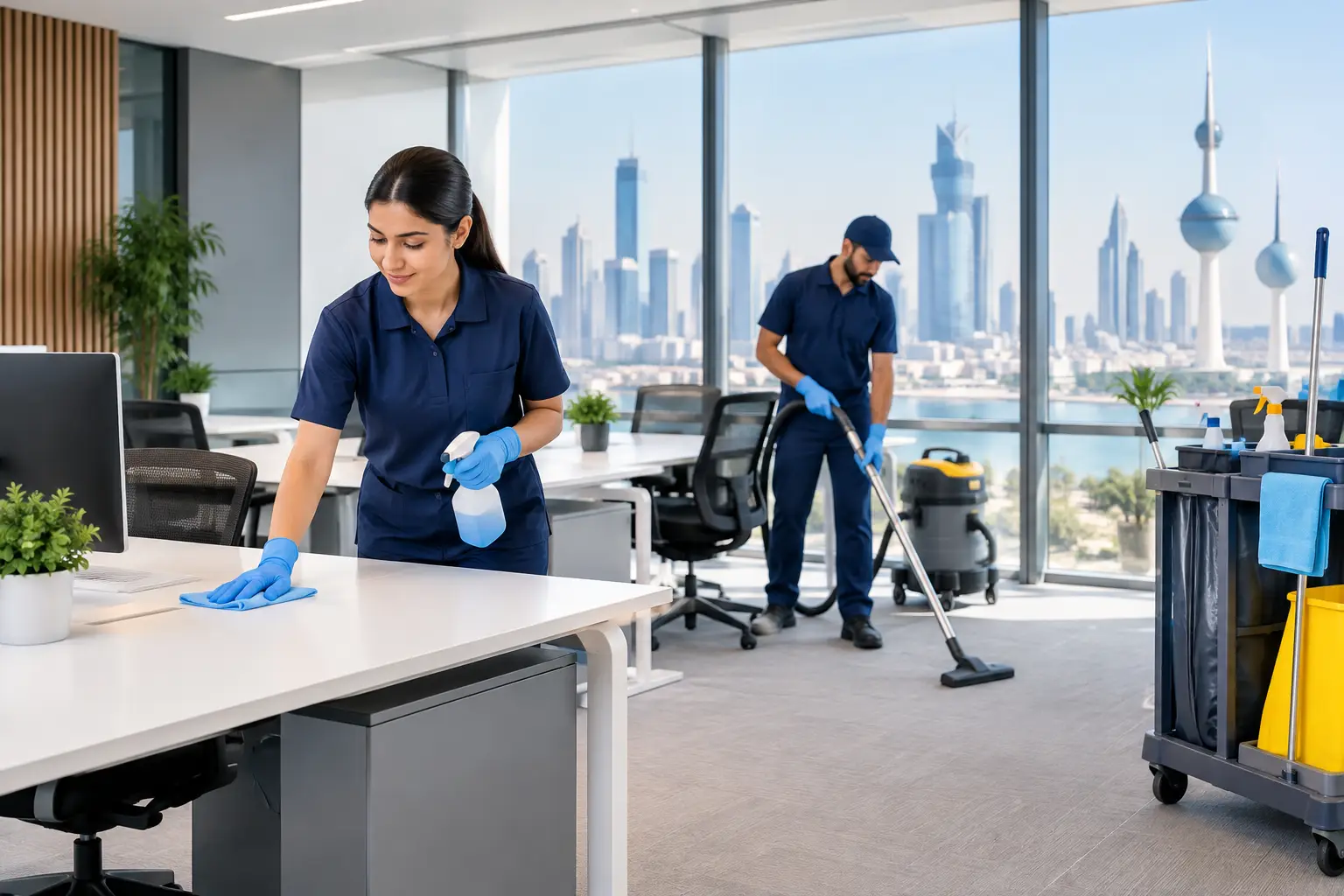
A missed coffee spill near a workstation, an overflowing restroom bin, or dust collecting around air vents can change how employees and visitors experience an office. A clear office cleaning checklist prevents small issues from becoming complaints, odors, stains, pest risks, or an unprofessional first impression.
For offices in Kuwait, cleaning plans also need to account for dust brought in from outside, busy shared facilities, long working hours, and the demands placed on air-conditioned indoor spaces. The right checklist is not about making every surface look polished at all times. It is about assigning sensible tasks at the right frequency and knowing when a cleaning issue may point to a building maintenance concern.
Start With the Office Areas People Use Most
An effective cleaning schedule follows how the office is actually used. Reception areas, restrooms, break rooms, meeting rooms, and shared desks usually need more frequent attention than storage rooms or lightly used private offices.
Before setting tasks, walk through the premises at the end of a normal workday. Look at foot traffic, food and drink areas, visitor-facing spaces, waste collection points, and places where dust enters. A small office with no customer visits may need a simple daily routine. A busy office with clients, shared workstations, and multiple restrooms will need a more detailed scope and closer supervision.
The goal is clear accountability. Each task should state what must be cleaned, how often it should happen, and who checks that it was completed. A checklist works best when it is practical enough for staff or a cleaning team to follow consistently.
Daily Office Cleaning Checklist
Daily work should focus on hygiene, waste, and visible presentation. These are the items employees and visitors notice immediately, especially in areas that are shared throughout the day.
- Empty waste bins and replace liners, including bins in desks, kitchens, reception areas, and restrooms.
- Wipe and disinfect high-touch points such as door handles, elevator buttons, light switches, shared phones, reception counters, and meeting room controls.
- Clean restroom toilets, sinks, mirrors, floors, and dispensers. Refill soap, paper towels, and toilet paper before supplies run low.
- Clean break room counters, tables, sinks, microwave handles, and appliance exteriors. Remove food waste rather than leaving it overnight.
- Vacuum or sweep entry areas, corridors, and other high-traffic floors. Spot-clean spills as soon as they are reported.
- Straighten reception seating, meeting rooms, and shared spaces. Clear abandoned cups, papers, and food packaging.
Daily cleaning should not mean using strong products everywhere. Products should suit the surface and the space, particularly around electronics, glass partitions, stone flooring, and furniture finishes. Using too much water on floors can create a slip risk, while unsuitable chemicals can leave marks or damage finishes.
A note on desks and personal items
Employees should clear food, disposable cups, and confidential papers from their desks at the end of the day. Cleaning teams can wipe external desk surfaces and empty bins, but documents, computer equipment, and personal belongings need a defined office policy.
For shared desks, sanitizing should be more frequent. A simple wipe-down between users helps, but the office should also provide a safe process for cleaning keyboards, monitors, and docking stations without spraying liquid directly onto equipment.
Weekly Tasks That Keep Standards Consistent
Weekly cleaning addresses the areas that can look acceptable for a day or two but gradually affect the condition of the workplace. This is often where an office cleaning checklist has the greatest value, because these tasks are easy to postpone during a busy week.
Clean glass doors, internal windows, partition panels, and fingerprints around entrances. Dust accessible ledges, picture frames, blinds, skirting, cabinet tops, and low-level furniture. Vacuum upholstered seating and clean under desks, behind movable chairs, and around meeting room furniture.
Mop hard floors thoroughly, including corners and areas around water dispensers or pantry counters. In carpeted offices, vacuuming may be enough weekly, but visible staining, odors, or heavy foot traffic can require more frequent treatment. Entrance mats deserve particular attention because they trap outdoor dust before it spreads through the office.
The kitchen or pantry should receive a deeper weekly clean. Wipe inside the microwave, clean the refrigerator exterior and handles, remove expired food according to office policy, and clean the space around bins. Food debris left in cabinets, under appliances, or near drains can attract pests, particularly in warm conditions.
Monthly and Periodic Cleaning Tasks
Monthly tasks protect the office environment and help preserve finishes, furniture, and shared equipment. Their timing can vary based on office size, occupancy, and building layout.
Review walls and doors for scuffs, stains, and fingerprints. Clean vents and accessible return-air grilles externally if they are dusty, but do not remove covers or attempt work inside the HVAC system. Excessive dust around vents, weak airflow, water marks, or persistent odors should be reported for professional HVAC assessment rather than treated as a cleaning-only issue.
Schedule deeper carpet cleaning when traffic, staining, or odor makes it necessary. High-traffic reception areas and corridors may need it more often than private offices. Upholstered chairs, curtains, and fabric partitions also need periodic care, particularly where the office receives frequent visitors.
Other useful periodic tasks include cleaning behind large movable furniture, washing waste bins, polishing suitable hard surfaces, checking ceiling corners for cobwebs, and reviewing storage rooms for dust and discarded materials. For exterior-facing glass, façade access, or high-level work, use properly managed specialist cleaning support. Staff should not use unstable ladders or attempt difficult access work themselves.
When Cleaning Reveals a Maintenance Problem
Cleaning can expose issues that need a different service scope. Treating the visible symptom alone may result in the same problem returning.
A recurring water mark beneath a sink cabinet may indicate a plumbing leak. A musty smell around an AC vent can be linked to drainage, filter, or airflow concerns. Repeated dust buildup near a vent may signal that the HVAC system needs inspection, while flickering lights in a restroom or corridor require qualified electrical attention.
Cleaning staff can report these signs, but they should not be expected to repair plumbing, electrical, or HVAC equipment. For office managers, keeping cleaning and building maintenance responsibilities separate helps ensure that the correct provider addresses the cause, not just the surface condition. This is particularly relevant in multi-tenant offices where management approval or building access may be required.
Choosing the Right Frequency for Your Office
There is no single schedule that fits every workplace. Daily cleaning is usually appropriate for restrooms, bins, pantries, reception spaces, and high-touch surfaces. Weekly work suits general dusting, glass, detailed floor care, and less-used rooms. Deep cleaning is generally planned monthly or when inspections show it is needed.
Increase the frequency when an office has high visitor traffic, food preparation, shared workstations, extended hours, or frequent meetings. A smaller office with low occupancy may need fewer visits, but it should not reduce restroom hygiene, waste removal, or pantry cleaning below a sensible standard.
A useful review point is employee feedback. If staff regularly report odors, full bins, dusty surfaces, sticky floors, or missing restroom supplies, the issue may be the cleaning scope, the visit timing, or inadequate quality checks. Record repeated concerns and adjust the plan based on evidence rather than assumptions.
Keep the Checklist Visible and Measurable
A checklist should be a working document, not a sheet filed away after the first week. Keep it available to the person responsible for oversight, with dates, completed tasks, supply checks, and notes on issues that need escalation.
For larger offices, divide the checklist by zone: reception, work areas, restrooms, pantry, meeting rooms, and storage. This makes it easier to confirm that critical spaces were not overlooked during a busy shift. It also gives building managers a clear record when discussing cleaning quality with an outside provider.
A clean office supports a more orderly workplace, but the real value comes from consistency. When routine cleaning is planned, checked, and separated from specialist maintenance needs, employees can focus on their work and visitors can walk into a space that feels properly managed.