
Office Cleaning Services Kuwait What to Expect
Office cleaning services Kuwait help workplaces stay clean, orderly, and ready for staff and visitors. Learn what a dependable service scope should cover.
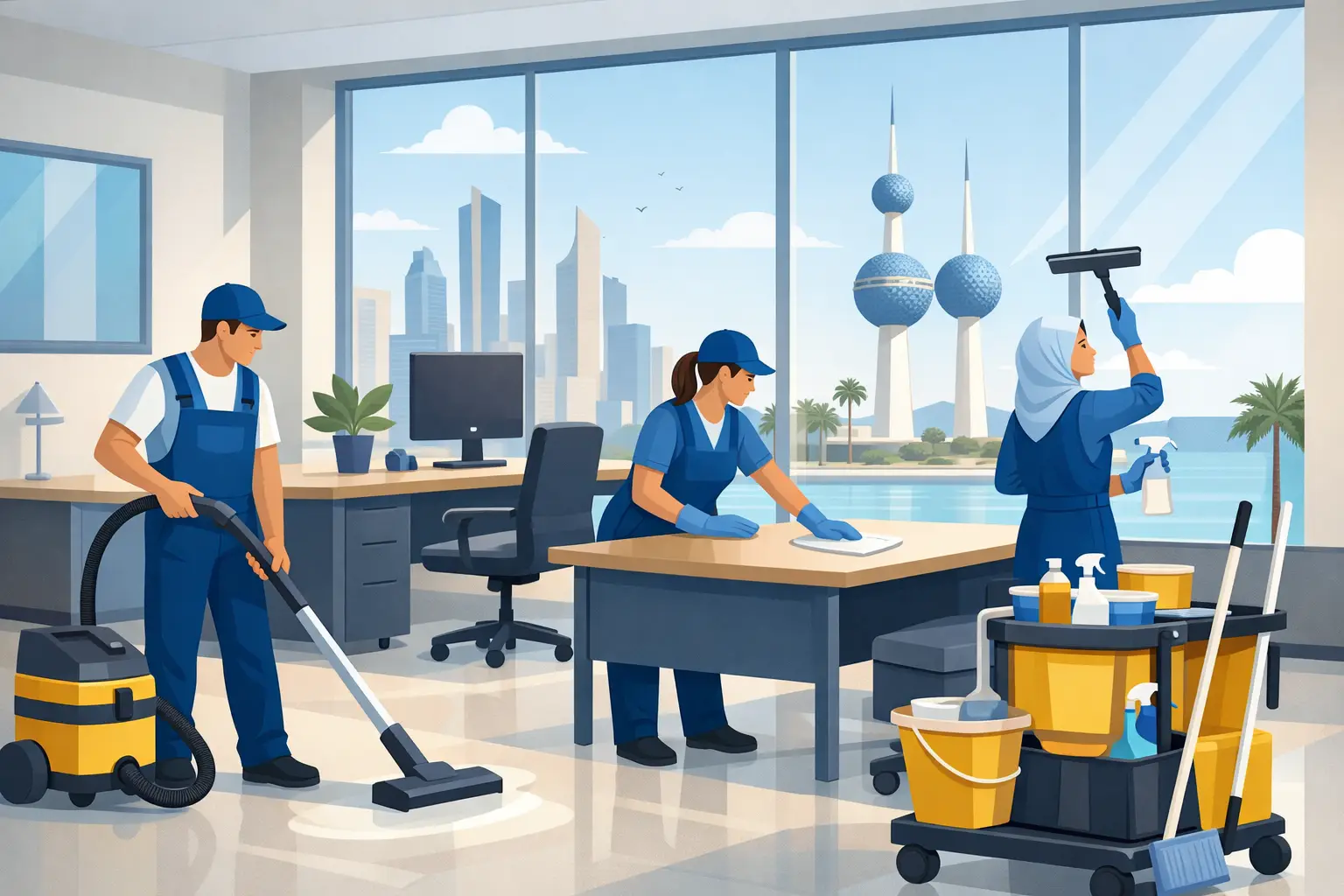
A reception desk with fingerprints on the glass, full waste bins before lunchtime, and dusty meeting-room tables send a message before anyone says a word. For office managers and business owners, cleaning is not just about appearance. It supports a workplace that feels organized, comfortable, and ready for employees, clients, and visitors. Choosing office cleaning services Kuwait should start with a clear understanding of what the office needs, how often it needs attention, and who is responsible for each part of the work.
A dependable cleaning arrangement is built around defined tasks and practical communication. It should not leave building managers guessing whether restrooms, shared kitchens, workstations, or common areas have been included in the visit.
What Office Cleaning Services in Kuwait Should Cover
Every office has different traffic levels and operating hours, but most require a combination of routine cleaning and scheduled deeper work. Routine visits generally focus on the areas people use every day: entrances, reception spaces, desks and workstations where access is permitted, meeting rooms, pantries, restrooms, corridors, and waste collection points.
A clear scope often includes vacuuming or mopping floors, wiping reachable surfaces, cleaning restroom fixtures, replenishing agreed consumables, removing waste, and cleaning visible marks from glass partitions and doors. The exact work should be confirmed before service begins. For example, workstation cleaning may require employees to clear personal items, while files, computer equipment, and sensitive documents should be handled only under agreed procedures.
Some tasks do not need daily attention but still affect the condition of the office over time. These may include detailed cleaning of upholstery, carpets, blinds, internal glass, high-touch areas, and hard-to-reach dust buildup. Scheduling these tasks separately helps avoid trying to fit a deep clean into a short routine visit.
The right scope depends on the property. A small professional office with limited visitors may need regular general cleaning and periodic detailed work. A busy reception area, retail office, clinic administration space, or shared workplace may require more frequent attention to entrances, restrooms, and common areas.
Start With How Your Office Is Actually Used
The most effective cleaning plan follows the daily pattern of the building, not a generic checklist. An office with 10 employees and little foot traffic has different needs from a multi-floor commercial property receiving clients throughout the day.
Consider the number of employees, visitors, restrooms, shared food areas, meeting rooms, and entry points. Also consider whether staff work standard business hours, shifts, or extended hours. Cleaning during peak activity can disrupt calls, meetings, and customer interactions. Cleaning before opening, after closing, or during quieter periods may be more suitable.
It also helps to identify spaces that need extra care. Pantry areas can collect spills and food waste quickly. Restrooms need consistent attention because they are shared by many people. Reception areas need a presentable finish throughout the day. Meeting rooms often need a quick reset between visitors, especially when they are used for client discussions.
A site assessment should turn these needs into a practical schedule. Rather than requesting a vague full-office clean, ask for the areas to be covered, the expected frequency, and any exclusions to be stated clearly. This avoids misunderstandings later.
Daily, Weekly, and Periodic Cleaning Have Different Roles
Daily cleaning keeps the workplace functional. It addresses visible dust, waste, restroom hygiene, floors, and shared spaces before small problems become noticeable. In offices with steady activity, daily attention to restrooms and pantry areas is often necessary even if the rest of the office follows a lighter schedule.
Weekly cleaning gives more time to detailed work, such as cleaning less-used corners, polishing internal glass, wiping doors and frames, or treating floors according to their material. It is useful for areas that remain presentable with regular upkeep but gradually collect dust and marks.
Periodic cleaning handles work that needs more time, equipment, or access. Carpet cleaning, upholstery cleaning, detailed floor care, and intensive cleaning after office moves or renovation work are examples. These services should be planned around office operations, particularly if rooms need time to dry or remain unused during the work.
Frequency is a trade-off between traffic, building use, and the standard the business needs to maintain. More frequent service may be appropriate for high-use areas, while a well-managed small office may benefit more from a focused schedule with periodic detailed cleaning.
Cleaning Should Work Alongside Building Maintenance
Office cleanliness and building condition are closely connected. A persistent water mark on a ceiling, for example, is not a cleaning issue alone. It may indicate a plumbing leak, drainage concern, or air-conditioning condensation problem. Repeated dust around vents can also point to an HVAC maintenance need rather than poor cleaning.
Cleaning staff can help identify visible issues, but they should not be expected to repair building systems. Electrical, plumbing, and HVAC concerns need qualified maintenance support with the right service scope. This distinction protects the office, its occupants, and the people carrying out the work.
For building managers, coordination matters. If an air-conditioning service is scheduled, cleaning may be needed afterward to remove dust from the affected area. If plumbing work has taken place in a restroom or pantry, cleaning can restore the space once the maintenance work is complete. Keeping these services organized prevents one job from creating avoidable disruption for another.
What to Look for in a Cleaning Provider
A cleaning provider should be able to explain the proposed work in plain language. You should know which areas are included, how often the team will attend, what supplies or equipment are part of the arrangement, and how changes or concerns will be communicated.
Reliability is more than arriving at a scheduled time. It includes having a consistent process, supervising the work, respecting office access requirements, and responding properly when an issue is reported. Offices often contain confidential material, valuable equipment, and areas with restricted access. A provider should understand these boundaries and follow the building's procedures.
Before confirming a service, clarify who provides cleaning materials, whether consumables are included, and how waste is handled. Confirm the process for reporting missed tasks, accidental damage, or a change in office requirements. These details may seem small, but they make the difference between a service that is easy to manage and one that creates repeated follow-up work.
It is also sensible to separate specialized requests from routine office cleaning. Pest control, carpet treatment, exterior glass work, and maintenance of technical systems may require a separate qualified service provider and a different scope of work. Clear boundaries help ensure each task is handled properly.
Common Problems That Need a Better Cleaning Plan
When an office starts to look untidy soon after cleaning, the issue is often the schedule or scope rather than effort alone. Waste bins may be too small for the number of staff. A pantry may need an additional daily check. Reception glass may need touch-up cleaning during visitor hours. These are practical adjustments, not necessarily signs that the entire service needs to be replaced.
Recurring odors, damp patches, staining, or water around fixtures should be assessed carefully. Cleaning can remove surface dirt, but it cannot solve an active leak, blocked drainage line, faulty air-conditioning unit, or other building-system problem. Reporting the issue early allows the correct maintenance service to be arranged before it affects more of the office.
Another common problem is an unclear standard. If one person expects spotless desks while another only expects floors and restrooms to be cleaned, dissatisfaction is likely. Agreeing on priorities at the beginning gives everyone a fair and workable reference point.
A Clear Service Scope Saves Time for Everyone
The best office cleaning arrangement is not necessarily the most complicated one. It is the one that matches the office's real use, makes responsibilities clear, and has a simple way to address changes. A written scope should identify the areas covered, visit timing, routine tasks, periodic tasks, access rules, and the point of contact for service feedback.
For businesses in Kuwait, a well-maintained office also supports the wider condition of the property. Clean shared areas, properly maintained restrooms, and quick attention to signs of building issues make the workplace easier to manage day after day. Start with the spaces people use most, set a realistic cleaning schedule, and keep maintenance concerns separate from cleaning tasks so each one receives the right professional attention.