
Pest Control for Apartments Kuwait Made Clear
Pest control for apartments Kuwait helps tenants, landlords, and building managers address infestations safely with clear treatment and prevention steps.
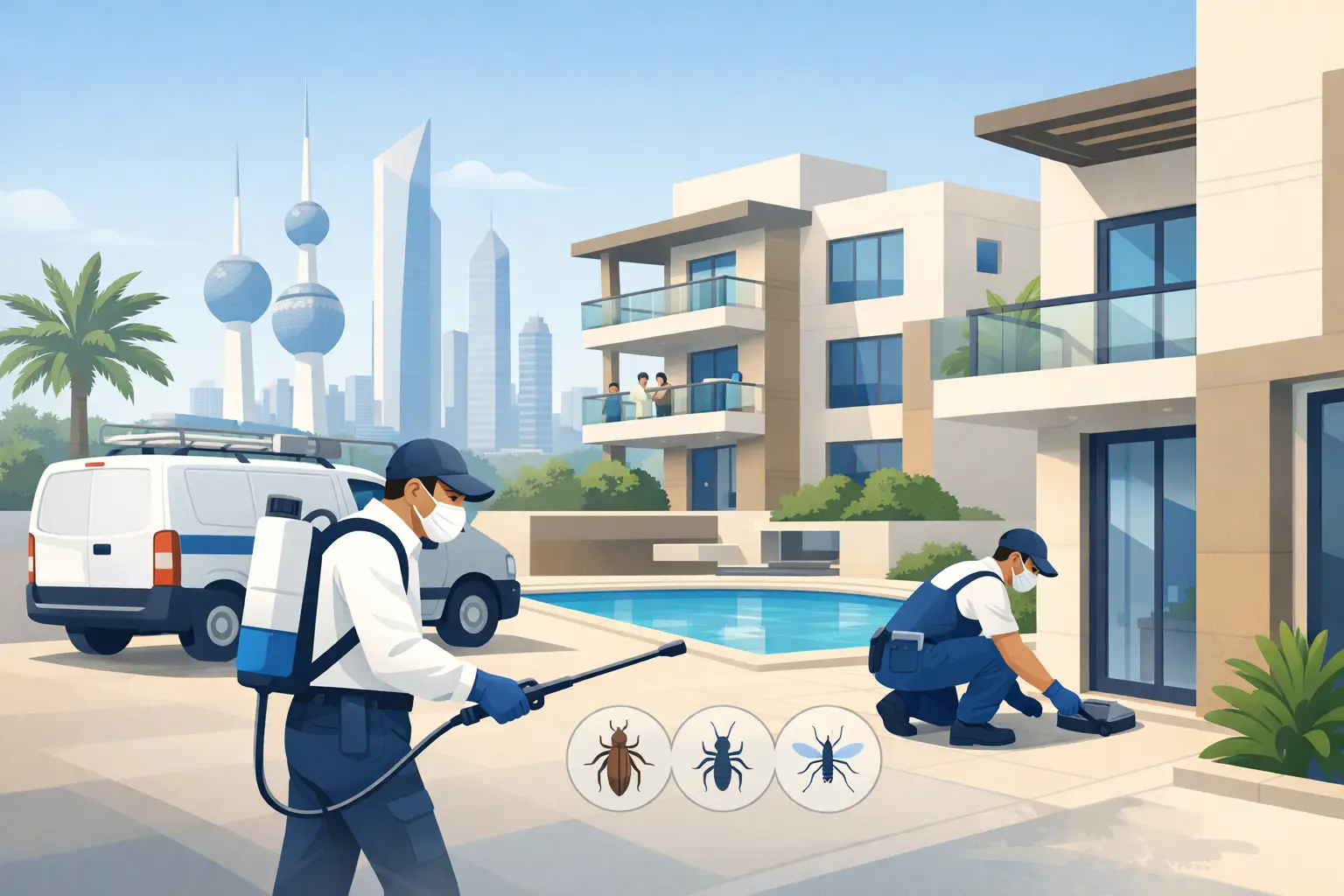
A cockroach seen near the kitchen sink, ants appearing along a window ledge, or bites noticed after sleeping can quickly make an apartment feel uncomfortable. Pest control for apartments Kuwait is most effective when the issue is addressed early, with clear coordination between the resident, property manager, and qualified pest control provider.
Apartments present a different challenge from standalone homes. Units share walls, plumbing routes, corridors, garbage areas, and service shafts. A pest problem may begin in one location but become visible somewhere else. That is why a single spray inside one room is not always enough. A proper service starts by identifying the likely pest, the affected areas, and the conditions that may be helping it continue.
Why Apartment Pest Problems Need a Coordinated Response
Pests look for food, water, shelter, and quiet places to breed. In an apartment building, they may travel through pipe openings under sinks, gaps around AC lines, drains, ceiling voids, or shared walls. Cockroaches, ants, bed bugs, flies, mosquitoes, and rodents each behave differently, so the right response depends on what is found.
For tenants, reporting the issue promptly helps prevent a small problem from becoming a wider building concern. For landlords and building managers, clear reporting and scheduled treatment protect the condition of the property and reduce repeated complaints. The goal is not simply to remove visible pests. It is to address the source, reduce access points, and set realistic expectations for follow-up where needed.
A qualified provider should explain what areas will be treated, whether residents need to prepare the apartment, and when it is appropriate to return to normal use of the space. This is especially important in homes with children, pets, elderly residents, or people with respiratory sensitivities.
Common Apartment Pests and What Their Signs Mean
Cockroaches are among the most common apartment concerns. Seeing one insect does not always show the full scale of activity, but repeated sightings in kitchens, bathrooms, or at night should be reported. Small dark droppings, egg cases, and a persistent musty odor can also indicate that cockroaches are active nearby.
Ants are often drawn to uncovered food, sugary spills, damp spots, and cracks near windows or plumbing. They may appear in a visible trail, but the nest may be outside the apartment or within a wall void. Cleaning the trail can help temporarily, yet it does not always resolve the cause.
Bed bugs require particular care because they can spread through luggage, furniture, clothing, and shared building environments. Small bites may have other causes, so residents should avoid assuming the problem without an inspection. Signs can include small dark marks on bedding, shed skins, or insects around mattress seams and bed frames. Moving furniture or disposing of items before professional guidance can spread the problem further.
Flies and mosquitoes often point to standing water, food waste, drain issues, open windows, or outdoor conditions near the property. Rodent activity may be identified through droppings, chewed materials, scratching sounds, or gaps near utility lines. Each sign provides useful information, but treatment should be based on an inspection rather than guesswork.
What to Do Before Requesting Pest Control for Apartments Kuwait
A good service call begins with useful details. Note where pests were seen, how often they appear, and whether the issue is limited to one room or more than one area. If possible, take a clear photo. This can help the provider understand the likely pest and plan the visit appropriately.
Residents should also tell the building manager if there are leaks, drainage odors, overflowing garbage areas, damaged screens, or gaps around pipes. These conditions may be connected to the pest activity. A pest treatment can be more effective when related property maintenance issues are handled at the same time.
Before the appointment, follow the preparation instructions provided by the service team. Depending on the treatment, this may include storing food, clearing access to cabinets or baseboards, moving pet items, or keeping children away from the treatment area for a specified period. Do not mix household chemicals or apply extra products just before a professional visit. This can create unnecessary exposure and may make it harder to assess the problem.
What a Professional Apartment Pest Control Visit Should Cover
A structured visit should begin with an assessment of the reported areas and nearby conditions. The provider may inspect kitchens, bathrooms, utility spaces, balconies, entry points, and other locations relevant to the pest type. In a managed building, the service scope may also include shared areas if the issue is not limited to one apartment.
Treatment methods vary. Some pests may require targeted application in specific areas, while others may require baiting, traps, exclusion work, or repeat visits. Bed bug treatment, for example, often needs detailed preparation and follow-up because eggs and hiding places can affect the result. Rodent control may require attention to access points and building waste practices, not only activity inside the unit.
Clear communication matters as much as the treatment itself. Residents should receive practical guidance on preparation, re-entry, cleaning, and follow-up. Property managers should know whether other units or common areas need inspection. A professional service should not promise that every pest issue can be solved with one visit, because the correct plan depends on the pest, the building condition, and the level of activity.
Prevention Between Visits
Prevention does not need to be complicated, but consistency matters. Keep food in sealed containers, clean crumbs and spills promptly, and avoid leaving pet food out overnight. Empty waste regularly and make sure garbage bags are closed before they are placed in shared disposal areas.
Moisture control is equally important. Report dripping faucets, water under sinks, slow drains, and AC condensation concerns to the responsible property team. Cockroaches and flies are especially attracted to damp conditions. Keeping balcony drains clear and avoiding standing water also helps reduce insect activity.
Check door sweeps, window screens, and visible openings around pipes or cables. Residents should report gaps rather than attempting unsuitable repairs. In a building setting, sealing entry points is often a property management task because the opening may connect to shared services or affect more than one unit.
Responsibilities for Tenants, Landlords, and Building Managers
The most effective pest control plan is shared. Tenants should keep the apartment reasonably clean, report signs early, and follow preparation instructions. Landlords and managers should arrange appropriate inspection and treatment, maintain common areas, and address building conditions that encourage pests, such as leaks, waste buildup, or damaged access points.
Communication should remain practical and respectful. A pest report is not automatically evidence of poor housekeeping by a resident, and a treated apartment is not always the original source of the issue. In multi-unit buildings, the cause may be connected to a neighboring unit, common area, or service route. Focusing on facts helps everyone act faster.
Tasleeh connects customers with approved specialist pest control providers as part of its managed service network, helping residents and property teams arrange a clear service scope and professional communication.
When a Follow-Up Visit Makes Sense
Follow-up may be needed when pests remain active after the expected treatment period, when a large infestation was identified, or when conditions in the building continue to support the problem. It is also appropriate when activity moves to another room or unit. Report what has changed rather than relying only on a general statement that pests are still present.
For bed bugs, cockroaches, and rodents, follow-up is often part of a responsible plan. The provider can assess whether the activity is reducing, whether preparation steps were completed, and whether another area needs attention. This approach is more reliable than repeatedly changing products without a clear inspection.
A well-managed apartment should feel like a place to rest, not a place where residents are constantly watching for pests. Early reporting, sensible preparation, and coordinated treatment give the building the best chance to resolve the issue properly and keep it from returning.