
Apartment Water Pressure: Causes and Fixes
Low apartment water pressure can make daily routines difficult. Learn common causes, what to check, and when professional plumbing service is recommended.
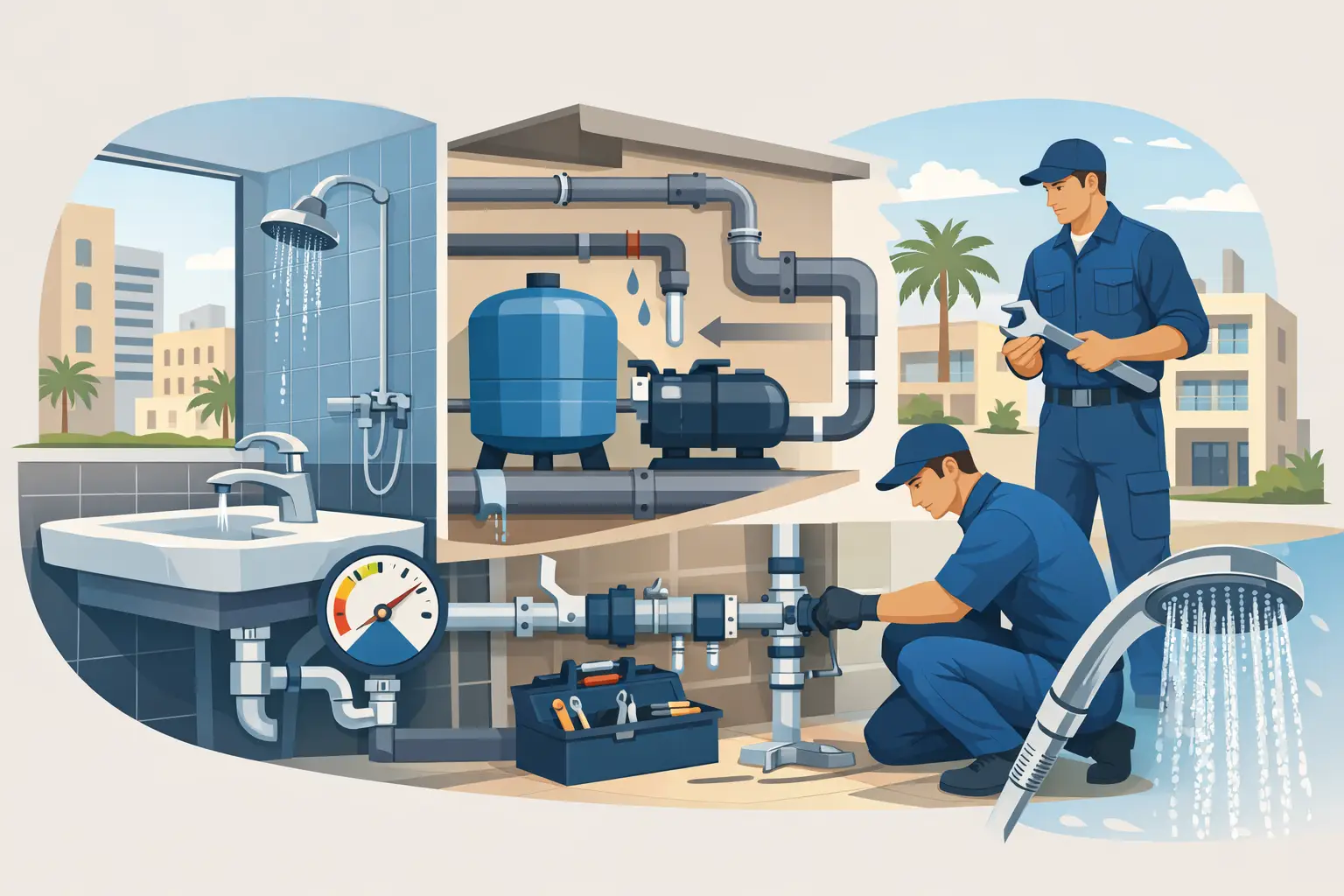
A shower that drops to a trickle when someone opens a kitchen tap is more than a minor annoyance. Low apartment water pressure can slow down daily routines, affect washing machines and water heaters, and point to a plumbing issue that needs attention. The right next step depends on whether the problem affects one fixture, one apartment, or the whole building.
For tenants, the main task is reporting the issue clearly. For landlords and building managers, it is identifying where pressure is being lost and arranging the correct plumbing work before residents face repeated disruption.
What Normal Apartment Water Pressure Should Feel Like
Water pressure is the force that pushes water through the pipes. In practical terms, normal pressure should allow a shower, faucet, and toilet to work reliably without a major drop when another fixture is used. It should feel consistent at different times of day.
Water flow is related but not exactly the same. A faucet may have adequate pressure but weak flow because its aerator is blocked. Conversely, water may flow normally from one faucet but remain weak throughout the apartment because of a wider supply issue. This distinction helps a plumbing professional narrow down the cause.
In apartment buildings, pressure can also vary by floor. Upper floors often rely more heavily on booster pumps, tanks, and well-maintained building supply lines. A problem with any of these shared systems can affect several residents at once.
Common Causes of Low Apartment Water Pressure
The location and timing of the problem usually provide useful clues. If water pressure changed suddenly, the cause may be different from pressure that has gradually weakened over months.
A Blocked Faucet Aerator or Showerhead
Mineral deposits and sediment can collect in faucet aerators and showerheads. This is common when the issue is limited to one outlet while nearby fixtures work normally. The water may spray unevenly, come out at an unusual angle, or appear weaker than before.
This is often a small fixture-level issue, but it still helps to have it assessed properly if the fitting is old, leaking, or difficult to remove. For tenants, it is better to report the affected fixture than to force parts loose and create a leak.
A Partly Closed Valve
Most apartments have shutoff valves that control water entering the unit or serving specific areas. After plumbing work, cleaning, or a previous repair, a valve may not be returned fully to its normal position. This can restrict water to a bathroom, kitchen, or the entire apartment.
Valve checks should be handled by a qualified plumbing team, especially when the valve is in a service shaft, ceiling area, or shared building location. A damaged or stuck valve can become a larger problem if it is handled incorrectly.
Leaks Within the Apartment or Building
A hidden leak can reduce available pressure, particularly when the problem develops gradually. Warning signs include damp patches, peeling paint, an unexplained increase in water use, a sound of running water when fixtures are off, or pressure that drops at certain times.
Not every pressure problem is caused by a leak. However, leaks need prompt attention because they can damage finishes, affect neighboring units, and waste water. Building managers should treat low pressure alongside visible moisture as a priority maintenance concern.
Aging or Restricted Pipes
Older plumbing lines can develop internal buildup that narrows the path for water. This reduces flow over time and may affect hot water, cold water, or both. Corrosion, sediment, and previous patch repairs can all contribute to restricted pipes.
The repair approach depends on the condition and layout of the line. In some cases, cleaning or replacing a local section is enough. In others, recurring restrictions suggest that a larger planned plumbing upgrade is more sensible than repeated short-term repairs.
A Water Heater Issue
When only hot water has low pressure, the water heater or its connected pipework may be involved. Sediment buildup, an internal restriction, or a valve issue can limit hot-water flow while cold water remains normal.
This should not be treated as a general pressure problem without checking the hot and cold sides separately. A professional inspection can determine whether the concern is inside the apartment or part of the building's hot-water system.
Shared Building Supply Problems
If several apartments have weak pressure, especially on the same floor or during similar hours, the source may be outside an individual unit. Low tank levels, pump performance issues, pressure control faults, or restrictions in common supply lines can all affect residents.
This is where a building-level response matters. Replacing a showerhead inside one apartment will not solve a pump or tank problem. Building management should collect reports from affected units and arrange an inspection of the shared system.
When Apartment Water Pressure Changes During the Day
Pressure that is acceptable early in the morning but weak in the evening may be linked to higher demand in the building. More residents using showers, kitchens, and washing machines at the same time can expose an undersized, poorly maintained, or incorrectly controlled supply system.
A brief reduction during peak use is not always unusual in a large building. Consistently poor pressure, however, should be investigated. It can mean the booster system is not maintaining the required pressure, storage is inadequate, or a shared line needs maintenance.
For Kuwait properties, building water storage and pumping systems are especially relevant. Their condition and operation can have a direct effect on comfort inside apartments, particularly in taller residential buildings.
What to Check Before Requesting Service
You do not need to diagnose the plumbing system yourself. A few simple observations will make a service request clearer and help the maintenance team arrive prepared.
Note whether the issue affects hot water, cold water, or both. Check whether it is limited to one faucet or shower, one room, or every fixture in the apartment. Also note when the problem started and whether neighbors have mentioned similar issues.
When reporting the issue, include these useful details:
- The rooms and fixtures with weak pressure
- Whether hot water, cold water, or both are affected
- Whether pressure is worse at certain times of day
- Any leaks, unusual noises, discoloration, or recent plumbing work
Avoid opening service panels, adjusting shared valves, or attempting repairs to pumps and water heaters. These systems may affect other apartments and require controlled maintenance work.
When to Contact Building Management or a Plumbing Team
Contact building management first when pressure is low throughout the apartment, several neighbors are affected, or the issue appears connected to a shared tank, pump, or common line. They can coordinate access to building systems and prevent multiple residents from arranging separate, incomplete fixes.
A plumbing service is appropriate when the problem is isolated to an apartment, bathroom, kitchen, water heater connection, or visible pipework. A proper visit should identify the source of the restriction, explain the required work, and confirm whether the repair falls within the unit or building system.
If low pressure occurs with a visible leak, water near electrical fittings, ceiling staining, or a complete loss of water, report it promptly. These signs can indicate a wider maintenance issue that should not wait for routine scheduling.
Tasleeh provides managed plumbing support as part of its MEP Maintenance Services Kuwait offering, with clear service scopes for apartment and building plumbing concerns. For property managers, this helps keep communication organized when a pressure issue may involve both an individual unit and a shared system.
Preventing Repeat Water Pressure Problems
The best prevention is regular attention to the parts of the system that are easy to overlook. Building pumps, tanks, valves, filters, and common pipework need planned maintenance rather than attention only after residents report a problem. Within apartments, worn fittings, aging flexible connections, and early signs of leaks should be addressed before they affect daily use.
For landlords, documenting recurring reports by unit, floor, and time of day can reveal a pattern that single repair visits may miss. For tenants, clear reporting is equally valuable. A short description such as “cold water is weak in both bathrooms after 7 p.m., but the kitchen is normal” gives a maintenance team far more to work with than simply reporting low water.
Good apartment water pressure should be something residents barely notice. When it changes, timely reporting and a professional inspection can keep a small inconvenience from becoming an ongoing building problem.