
Commercial Pest Treatment Example for Businesses
See a commercial pest treatment example for Kuwait offices, shops, and buildings, including inspection, preparation, follow-up, and service selection.
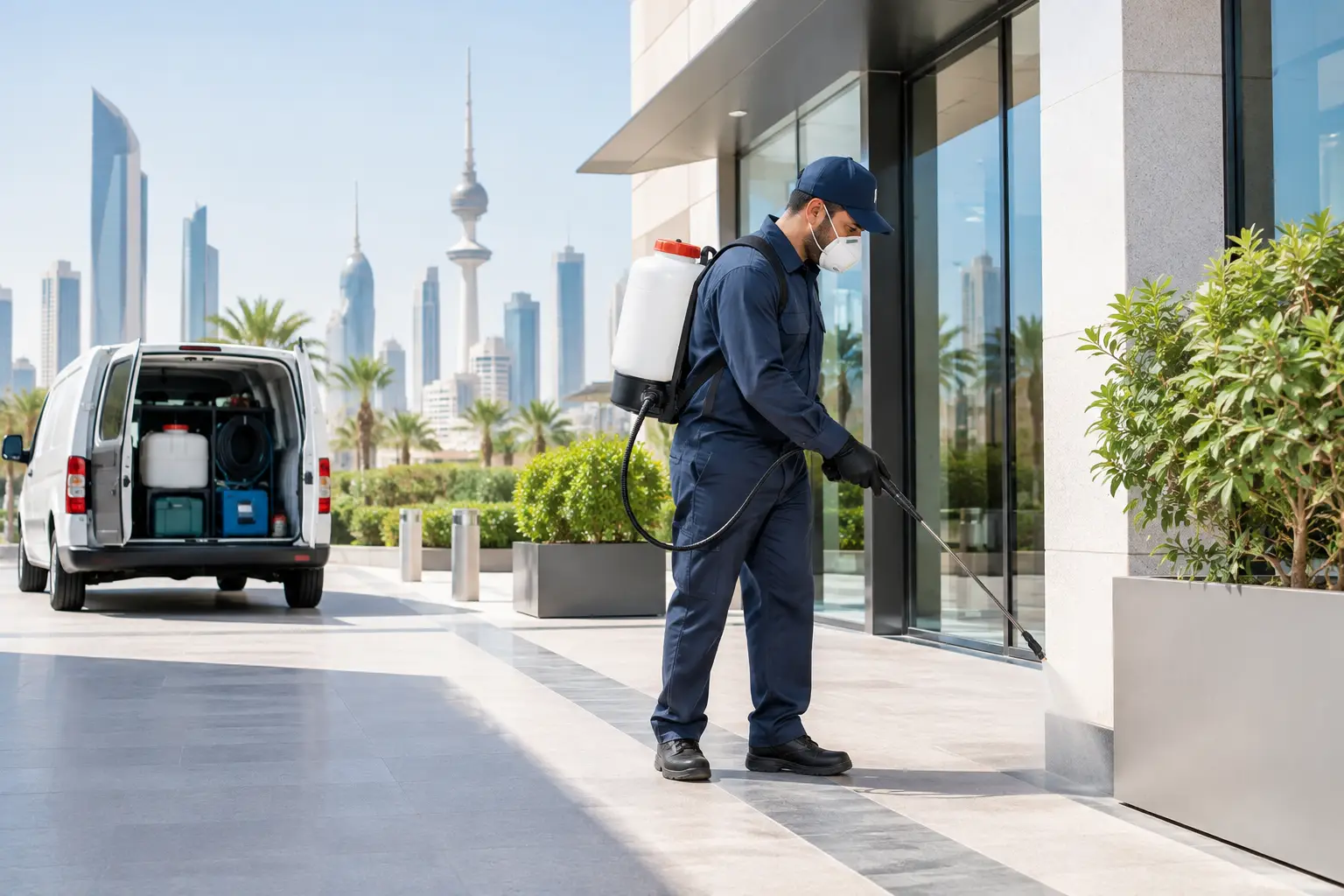
A commercial pest treatment example is most useful when it shows more than a technician arriving with a spray. For an office, shop, restaurant-adjacent unit, or residential building in Kuwait, effective pest control starts with identifying where activity is occurring, why pests are entering, and how the property can support treatment and follow-up.
A professional service may involve inspection, a treatment plan suited to the site, practical preparation by the customer, and scheduled monitoring where the issue requires it. The right approach depends on the pest type, the building layout, occupancy, food storage, waste handling, and whether neighboring units may be contributing to the problem.
A Commercial Pest Treatment Example for an Office Building
Consider a small office building where staff have reported cockroaches in the pantry and washroom areas. The building manager has also noticed activity near a ground-floor waste room. The concern is not limited to the insects that employees can see. In a multi-tenant property, pests may move through service shafts, plumbing penetrations, storage areas, and gaps around doors.
The service request should describe the affected areas, when activity is seen, and whether there are children, pets, food-preparation spaces, or sensitive stored materials on site. It also helps to mention building access arrangements, including security procedures, parking instructions, and who can approve access to utility rooms or vacant units.
An approved pest control provider would normally begin with an inspection. This may include checking the pantry, washrooms, waste areas, false ceilings where access is permitted, floor drains, pipe openings, door gaps, and nearby storage. The purpose is to confirm the likely pest, identify signs of activity, and find conditions that support it, such as standing water, unsealed food, cardboard buildup, or gaps around plumbing services.
The provider can then recommend a treatment plan. For cockroach activity, that may involve targeted treatment in identified harborages and advice on sanitation, storage, and sealing entry points. A one-time visit can be appropriate for a limited, isolated issue. Where activity is established across several areas or units, the property may need follow-up visits and coordination with management to address the wider source.
This distinction matters. Treating only the visible pantry area may reduce sightings temporarily, but it may not resolve activity originating from a waste room or an adjoining unit. A clear service scope helps the building manager understand what is being treated, what access is needed, and what action remains with the property team.
What a Commercial Pest Treatment Service May Include
Commercial pest control is not identical for every property. A shop with a stockroom has different risks from an office floor, and a residential tower has different access challenges from a standalone villa. Still, a well-organized service commonly includes an inspection, treatment of agreed areas, observations about contributing conditions, and guidance on any follow-up needed.
For a commercial site, the provider may focus on common pest-prone locations such as kitchens and pantries, washrooms, drains, waste rooms, loading areas, storage rooms, ceiling voids where accessible, and exterior entry points. Treatment methods should be selected by the provider based on the confirmed issue and the property environment. Customers should not assume that every pest problem needs the same product or the same number of visits.
The written scope is particularly useful for offices, buildings, and retail spaces because responsibility is often shared. A tenant may manage internal cleaning and food storage, while a landlord or facilities team controls common areas, waste collection, building repairs, and access to shafts or service rooms. Knowing who will complete each action prevents gaps after the treatment visit.
Tasleeh Network coordinates pest control requests with approved specialist providers, helping customers organize the request, communication, and delivery workflow. This is useful when a property manager needs a defined service request rather than an informal arrangement with an unknown contractor.
Treatment is only one part of control
In Kuwait, heat can increase insect activity, while dust and frequent door use can make it harder to maintain clean, sealed entry points. Commercial properties also have practical pressures: deliveries arrive, staff eat at desks, waste may wait for collection, and maintenance rooms can become storage spaces.
A provider may point out conditions that should be corrected alongside treatment. These can include leaking plumbing fixtures, blocked or poorly maintained drains, damaged door seals, open food containers, overflowing waste, or cluttered storage. If a water leak or drainage issue is contributing to pest activity, a separate plumbing assessment may be needed. Pest control addresses the infestation, while the underlying building issue may require another qualified service.
How to Prepare a Business Premises
Preparation should follow the provider's instructions because it depends on the treatment method and the areas involved. In general, the customer should make affected spaces accessible, remove unnecessary clutter, and ensure the provider can reach reported problem areas safely.
For an office or shop, notify relevant staff before the appointment. Pantry food should be stored properly, desks and floor edges should be reasonably clear where treatment is planned, and waste should be removed according to the provider's guidance. Do not move pests or suspected nesting materials between rooms, floors, or sites, as this can spread the issue.
Building managers should arrange access in advance. This might include permits for service entry, security approval, loading access, keys for utility rooms, and contact details for the person responsible on site. In larger buildings, it may also be necessary to tell occupants which common areas will be visited and whether any rooms need to remain vacant during the service.
If the property has recurring sightings, keep a simple record before the appointment. Note the dates, locations, type of pest if known, and any patterns, such as activity after waste collection or near a particular drain. This information can help the provider inspect the right places without relying on guesswork.
When One Visit May Not Be Enough
Customers often ask whether pest treatment is a one-time job. Sometimes it is. A single, limited incident may only require inspection and targeted action. However, follow-up is more likely when pests have access to multiple units, there is repeated activity, eggs or nesting sites may remain, or property conditions continue to support the problem.
For example, a cockroach issue in one office pantry may need broader coordination if staff report sightings in several floors. Similarly, rodent activity around a shop's waste area may require attention to external access points, storage practices, and neighboring spaces. The provider should explain the recommended next step based on the site findings rather than applying a fixed approach to every building.
Ongoing pest control can make sense for properties with regular foot traffic, food handling, shared waste facilities, or many tenants. It allows inspections and preventive action to be planned around property operations. For a low-risk office with no current signs of pests, a periodic review and good housekeeping may be more appropriate than frequent treatment.
Choosing the Right Service Request
When requesting commercial pest control, be specific about the property type and the issue. State whether the location is an office, shop, apartment building, villa, warehouse area, or shared facility. Include the pest if you can identify it, but do not worry if you cannot. Clear descriptions of where and when activity appears are often more useful than a guess.
Also explain whether the request is urgent because of active sightings, planned because of recurring concerns, or preventive for a managed property. Mention any access restrictions, operating hours, tenants, security requirements, or areas that cannot be interrupted. This allows the service to be planned around the building rather than forcing the building to fit a vague appointment.
Avoid relying on household products as the only response to repeated commercial pest activity. They can mask signs without addressing access points or the source. A professional assessment is especially sensible when sightings are recurring, spread across areas, or affecting customer-facing and shared spaces.
For a clearer commercial pest treatment plan, submit a pest control request with the affected areas, property details, and access requirements. A well-described request gives the approved provider the information needed to assess the situation and recommend the appropriate next step.