
Pest Treatment Review for Kuwait Homes and Offices
A pest treatment review for Kuwait homes and businesses: warning signs, treatment scope, follow-up needs, and how to assess a professional service in Kuwait.
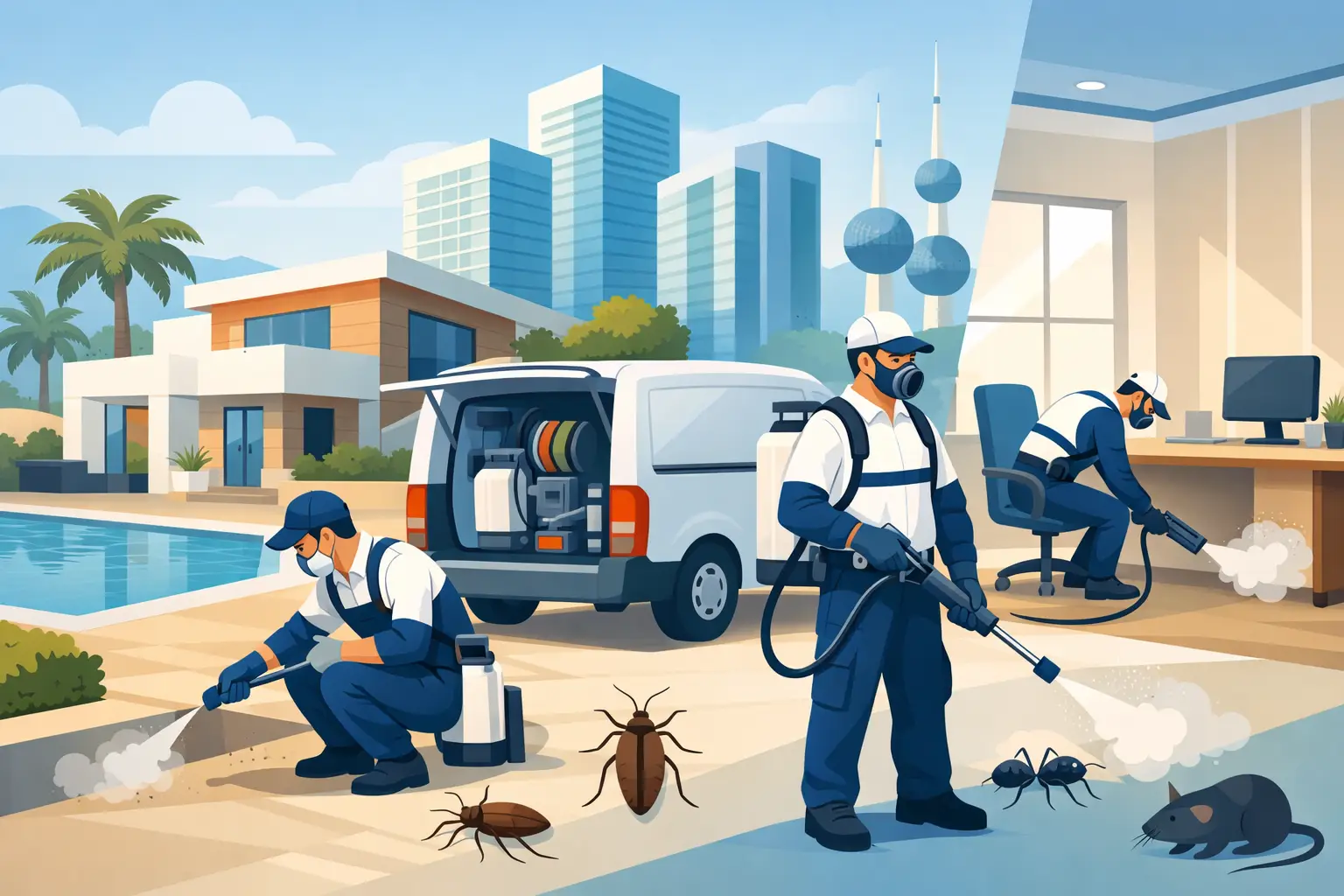
A pest treatment review should tell you more than whether insects disappeared after one visit. For a villa, apartment, office, restaurant-adjacent retail unit, or managed building in Kuwait, the useful question is whether the service identified the source, treated the right areas, explained any preparation needed, and set realistic expectations for follow-up.
Pest activity can affect hygiene, tenant comfort, stock, food-handling areas, and the reputation of a business. Kuwait’s heat, building density, drainage systems, and frequent movement of goods can create conditions where cockroaches, ants, flies, mosquitoes, rodents, and bed bugs become recurring concerns. A treatment that looks effective on the day but leaves the underlying access point or nesting area unaddressed may only postpone the problem.
What a Good Pest Treatment Review Should Assess
A professional review starts before any product is applied. The provider should ask what has been seen, where it has been seen, how long the issue has been present, and whether it is getting worse. A few ants near a kitchen window require a different approach from cockroaches appearing in several bathrooms or rodent signs near a building waste area.
The inspection should consider likely activity zones. In homes, these may include kitchens, bathrooms, utility rooms, storage cabinets, floor drains, balconies, false ceilings, and areas behind appliances. In offices and commercial spaces, staff pantries, refuse rooms, loading areas, ceiling voids, stock rooms, and shared service corridors may also need attention.
A clear scope matters because “pest treatment” is not one identical service. The pest type, layout of the property, level of activity, occupancy, and hygiene conditions all affect the work required. A responsible provider will explain which areas are included, any areas that need restricted access, and whether a return visit is likely.
Warning Signs That Need More Than a Quick Spray
Seeing one insect does not always mean there is a major infestation. However, repeated sightings or evidence in multiple rooms should be taken seriously. Cockroach droppings, egg cases, a persistent musty smell in cabinets, and activity at night can point to an established problem. Ant trails often indicate a route to food or moisture, while small flies around drains may indicate a sanitation or drainage-related issue.
For rodents, look for droppings, gnaw marks, damaged food packaging, scratching sounds in ceilings or walls, or gaps around pipes and doors. Rodent activity requires prompt professional attention because it can affect hygiene and may involve access points outside the immediate room where signs were found.
Bed bugs need a particularly careful response. Small bites alone do not confirm bed bugs, but dark spotting around mattress seams, shed skins, or insects found around beds and upholstered furniture are reasons to arrange an inspection. Moving furniture or belongings between rooms before the assessment can spread the issue, so it is better to keep affected items in place and follow the provider’s instructions.
What a Professional Treatment Usually Covers
The service normally begins with identification and inspection, followed by a treatment plan matched to the pest and property. Depending on the issue, this may involve targeted application in cracks, voids, drains, service areas, perimeter zones, or other approved treatment locations. The goal is not to apply products broadly without reason. Targeted work helps address where pests travel, feed, shelter, or enter.
The provider should also explain practical preparation. This may include clearing food and utensils from treatment areas, securing pet items, making cabinets accessible, or allowing access to service rooms. The exact requirements depend on the product and pest involved. Customers should receive clear guidance on when people and pets can use treated areas again.
For apartment buildings and offices, coordination is often as important as the treatment itself. Pest activity can move through shared pipe routes, ceilings, waste areas, and neighboring units. Treating only one visible location may not resolve a building-wide source. A building manager may need to arrange access to common areas, improve waste handling, or coordinate treatment across connected spaces.
Treatment also has limits. A provider can control pest activity, but ongoing food residue, standing water, open waste, damaged door seals, and unsealed pipe openings can allow the problem to return. Good service communication separates the treatment work from the property actions needed to support it.
Pest Treatment Review: Questions to Ask Before and After
Before confirming a service, ask which pest is suspected, what areas will be inspected, what preparation is required, and whether follow-up may be needed. You should also ask how the provider will communicate re-entry instructions and any recommendations for preventing recurrence. These are straightforward questions, but clear answers show that the work is being planned rather than treated as a generic visit.
After treatment, review the service based on the full process, not only immediate results. Some pests may be seen briefly after treatment as activity is disturbed, while eggs or hidden nesting areas can make follow-up necessary. The provider should explain the expected observation period and when continued activity should be reported.
A useful service record should state the pest concern, areas treated, preparation or safety instructions, and recommendations for the property. For landlords and building managers, keeping this information helps track repeat issues and identify patterns, such as recurring activity near one drain line, waste area, or vacant unit.
Why Follow-Up Can Matter
A single treatment may be appropriate for a minor, isolated issue. It may not be enough for established cockroach activity, bed bugs, rodents, or pest concerns across multiple units. Follow-up is not automatically a sign that the first visit failed. It can be part of the correct treatment plan, especially where pest life cycles or building access routes need to be monitored.
The right timing depends on the pest, the treatment method, and conditions at the property. For example, if sanitation issues continue in a shared waste area, or a pipe opening remains unsealed, the same route can remain active. A professional should identify these contributing conditions in plain language so the owner, tenant, or facilities team knows what needs attention.
Avoid adding unapproved chemicals, mixing products, or using treatments in inaccessible electrical, plumbing, or ventilation spaces. This can create safety concerns, interfere with professional treatment, and make it harder to understand where the problem is coming from. Keep food stored properly, remove waste regularly, reduce standing water where practical, and report recurring signs with photos and exact locations instead.
Choosing a Managed Pest Control Service
For homes and businesses, reliability includes more than sending someone to apply a treatment. You need a defined scope, qualified pest-control specialists, clear arrival and preparation communication, and a way to report concerns after the visit. This is especially relevant for occupied properties, offices with staff, and buildings where access must be coordinated with tenants or security.
Tasleeh’s approved specialist service network is designed around managed service standards and clear customer communication. When reviewing any pest-control arrangement, look for the same basics: an assessment matched to the pest, transparent instructions, appropriate treatment of relevant areas, and practical recommendations that fit the property.
If activity continues after the stated observation period, do not wait for it to become a larger issue. Record where and when pests are seen, keep the affected area accessible if safe to do so, and request a professional reassessment. The most helpful outcome is not simply fewer sightings for a day, but a clear plan for keeping the property clean, protected, and easier to manage.