
How to Prepare for AC Maintenance in Kuwait
Prepare for AC maintenance in Kuwait: a practical checklist for access, records, warning signs, and what a professional HVAC service visit covers at home.
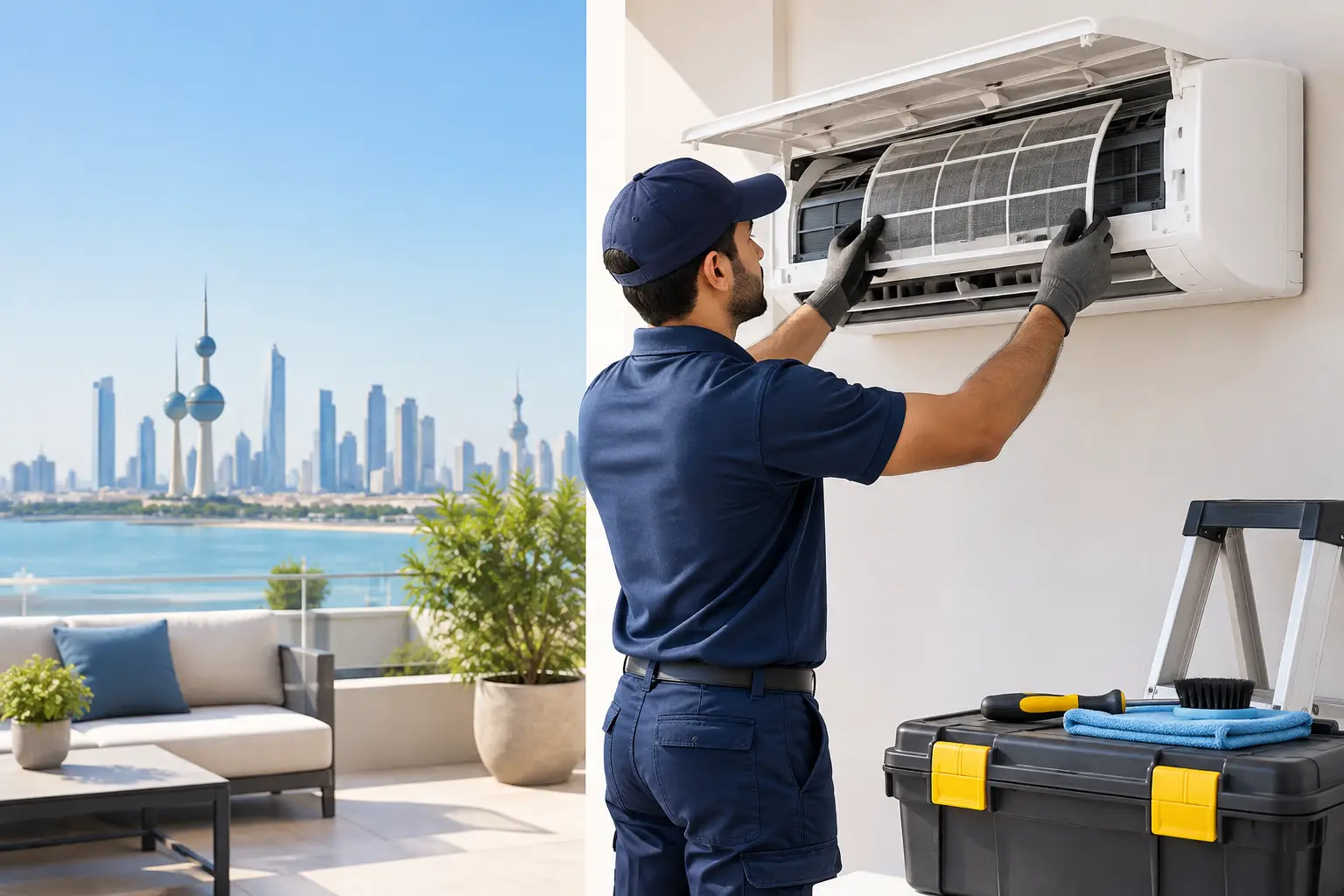
When an AC unit starts struggling during a Kuwait summer, a missed maintenance visit can quickly become an uncomfortable disruption. Taking time to prepare for AC maintenance helps the technician assess the system efficiently, reduces avoidable delays, and gives you a clearer picture of your property's cooling condition.
This preparation is useful for homeowners, tenants, landlords, office managers, and anyone responsible for a villa, apartment, retail space, or commercial building. You do not need HVAC knowledge or need to inspect equipment yourself. The goal is simply to provide safe access, share useful observations, and understand what the service visit should cover.
Why AC Maintenance Needs Preparation
Air conditioning systems in Kuwait work under demanding conditions. Long operating hours, high outdoor temperatures, dust, and occasional humidity all place pressure on indoor and outdoor equipment. A system may still cool a room while using more energy, making more noise, or putting additional strain on key parts.
A maintenance visit is not only about cleaning a visible filter. A qualified HVAC technician may assess cooling performance, airflow, drainage, electrical connections, thermostat response, and the general condition of the indoor and outdoor units. The exact scope depends on the system type, its condition, and whether the visit is routine maintenance or a response to a cooling problem.
Preparation lets the technician focus on the system rather than spend the first part of the appointment locating units, moving obstacles, or trying to identify when the issue began.
Before You Prepare for AC Maintenance
Start by identifying which areas and units need attention. In a villa, that may include bedrooms, living rooms, a kitchen, and separate outdoor condensers. In an office or shop, note zones that feel warmer than others, rooms with weak airflow, or units that are operating for unusually long periods.
If your property has several split units, label them by room when possible. A simple note such as “master bedroom unit makes a noise” or “reception unit leaks after two hours” prevents confusion, especially in buildings with similar-looking equipment.
It also helps to know whether the unit is wall-mounted, concealed, ducted, cassette-style, or part of a larger central system. You do not need to determine technical details. Just explain what you can see and where the cooling is not performing as expected.
Clear Access Matters
The technician needs safe access to the indoor unit, outdoor unit, thermostat, and relevant electrical isolation point. Before the appointment, move furniture, boxes, stored items, and fragile decorations away from the immediate work area. For a wall-mounted unit, clear the space beneath it. For an outdoor condenser, remove loose items around it and make sure gates, roof access, or balcony doors can be opened.
Do not attempt to open electrical panels, remove AC covers, clean internal components, or reach equipment installed at height. These tasks can create safety risks and may damage components. Access preparation is enough.
If the property is occupied, arrange for someone who can provide entry to locked rooms, roof areas, service shafts, or building utility spaces. For tenants, it is sensible to confirm with the landlord or building manager if the AC equipment is shared or centrally controlled.
Keep Pets, Children, and Daily Activity Away From the Work Area
Maintenance may involve tools, equipment testing, and temporary interruption to cooling. Keep pets and children away from the work zone, and let household members or staff know that the AC may be switched off briefly.
For offices and commercial spaces, schedule the visit around customer traffic or critical working hours where possible. A unit in a server-adjacent room, reception area, kitchen, or retail floor may require a more carefully managed service window. Explain these operational needs before work begins.
Information That Helps the Technician
The most useful information often comes from daily use rather than technical records. Tell the technician what you have noticed, when it happens, and whether the issue affects one unit or several.
Mention changes such as reduced cooling, weak airflow, water dripping from an indoor unit, an unusual smell, repeated thermostat adjustments, rattling sounds, or a unit that turns on and off more often than normal. If the problem occurs at a particular time - for example, after midday heat or only overnight - include that detail.
If you have service records, previous repair notes, warranty documents, or details of recent renovations, keep them available. Renovation work, ceiling changes, blocked vents, or altered room layouts can sometimes affect how a space cools. Records are helpful, but do not delay maintenance if you do not have them.
For landlords and building managers, it is useful to collect comments from occupants before the visit. This is particularly relevant when a single system serves several rooms and people report different symptoms.
Warning Signs to Report Before the Visit
Some issues should be raised when you request the service rather than mentioned only after the technician arrives. This helps the provider plan the visit and bring appropriate equipment where needed.
Report these concerns clearly:
- The AC is running but not cooling the room adequately.
- Water is dripping, pooling, or staining the wall or ceiling near an indoor unit.
- The unit has a burning smell, repeated electrical tripping, or stops unexpectedly.
- Airflow has become noticeably weak, even at a higher fan setting.
- There is loud rattling, grinding, buzzing, or vibration from the indoor or outdoor unit.
- Multiple rooms are warm, which may point to a wider system issue rather than one room unit.
A burning smell, signs of electrical trouble, or water close to electrical equipment should be treated with extra caution. Switch off the unit if it can be done safely using its normal controls, keep people away from the affected area, and request professional assessment. Do not investigate wiring, internal parts, or drainage connections yourself.
What a Professional AC Maintenance Visit May Cover
Routine AC maintenance is intended to keep the system operating cleanly, safely, and efficiently. The technician will first confirm the reported issue and inspect accessible equipment. They may check general cooling operation, air delivery, thermostat settings, filters, indoor and outdoor unit condition, condensate drainage, and visible signs of wear.
Cleaning may be part of the service scope, especially where dust has built up around filters or accessible unit components. In Kuwait, dust can restrict airflow and make an AC work harder than necessary. However, cleaning alone does not resolve every cooling issue. Weak cooling can also be related to controls, drainage, electrical components, refrigerant concerns, ductwork, or mechanical wear. The right next step depends on what the inspection finds.
A well-managed visit should include clear communication about the condition observed, work completed, and any issue that requires further repair or a separate recommendation. If a part needs replacement or a larger fault is identified, ask what the issue affects, whether cooling can continue safely, and what follow-up work is required.
Routine Maintenance vs. a Repair Visit
Routine maintenance is most effective before the hottest period, when the system appears to be working normally but needs seasonal attention. For heavily used homes and businesses, regular checks are particularly useful because the equipment has little downtime during long hot months.
A repair-focused visit is more appropriate when there is a clear fault: no cooling, leaking water, repeated shutdowns, unusual noise, or an electrical concern. The two visit types can overlap. A technician may find a repair need during maintenance, or identify that a reported problem is linked to overdue cleaning or restricted airflow.
Do not wait for complete failure if you notice a steady decline in cooling. Early assessment can help avoid a situation where a room becomes unusable during peak heat and can give property managers time to coordinate access and occupant communication.
A Practical Checklist for the Day of Service
On the day, make sure entry arrangements are confirmed and the technician can reach the relevant indoor and outdoor equipment. Keep your notes about symptoms ready, including which rooms are affected and when the problem occurs. If a unit is controlled by a remote or wall thermostat, have it available.
Be prepared for a short period when the AC may be turned off for testing or maintenance. If the unit serves a business area, notify staff in advance and protect nearby documents, electronics, and stock from any dust or water associated with an existing leak. The technician should assess the work area before proceeding.
For managed HVAC, electrical, and plumbing support in Kuwait, Tasleeh can help coordinate a clearly scoped AC maintenance request through its core trades service. Share the property type, number of units, access requirements, and any warning signs when requesting service so the visit can be planned properly.
A little preparation does not replace professional maintenance, but it makes the visit more productive and helps you make informed decisions about your cooling system before the heat puts it under its greatest demand.