
How to Prepare Office Pest Treatment Visits
Prepare office pest treatment with clear steps for staff, kitchens, storage, and access. Reduce disruption and help technicians inspect every risk area properly.
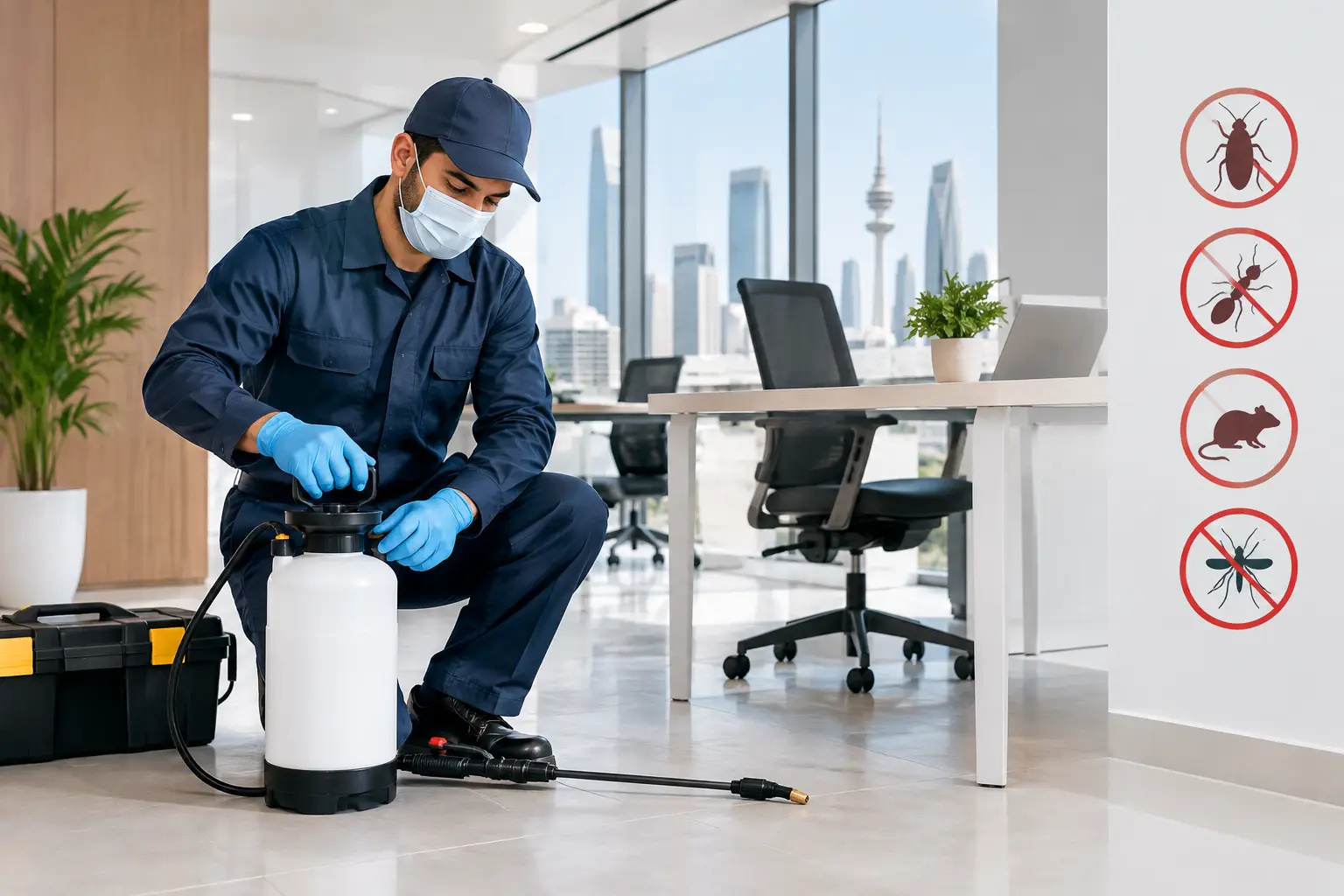
A pest treatment can lose much of its value if a technician cannot reach the places where pests feed, hide, or enter. To prepare office pest treatment properly, the office needs more than a quick tidy-up. Staff, cleaners, building management, and the pest control provider should know what will happen, which areas need access, and how the workplace will return to normal afterward.
This preparation is especially relevant in Kuwait, where heat, dust, food deliveries, shared building areas, and frequent use of pantries can create conditions that attract cockroaches, ants, flies, or rodents. A well-prepared visit helps the technician inspect the real source of the issue rather than treating only the places where pests have been seen.
Start With a Clear View of the Pest Problem
Before the visit, collect simple, useful information from staff. Ask where pests have been noticed, when sightings are most common, and whether the issue is limited to one area or appears across several rooms. A photo can be helpful where practical, but staff should not handle pests, droppings, nests, or unknown materials.
The most useful details are specific. For example, repeated cockroach sightings under the pantry sink, small ants around a meeting-room coffee station, or rodent activity near a loading area each point to different inspection priorities. Note whether the issue occurs after cleaning, overnight, following food deliveries, or near a particular drain, cabinet, or waste point.
Do not assume a lack of sightings means the issue has gone away. Many pests are more active at night or inside concealed spaces. An office that looks clean during business hours may still have conditions that support pest activity behind appliances, inside storage rooms, or around pipe openings.
How to Prepare Office Pest Treatment Areas
The aim is not to empty the office completely. It is to give the technician safe, reasonable access to likely risk areas while protecting food, personal belongings, and business materials. Preparation should be planned around the treatment scope and the provider's instructions, as requirements can differ for inspection, baiting, spraying, or rodent control.
Clear Access Where Pests Are Likely to Hide
Move light, nonessential items away from walls in affected areas where possible. This may include small boxes, loose packaging, unused equipment, and cleaning supplies stored beneath sinks. Technicians often need to inspect wall edges, cabinet interiors, pipe openings, floor drains, and the spaces behind refrigerators or water dispensers.
Avoid moving heavy furniture, built-in equipment, electrical appliances, or anything connected to plumbing without guidance. A building manager or qualified maintenance team should handle access issues involving fixed fixtures, electrical outlets, HVAC areas, or plumbing leaks. Pest activity sometimes points to a building condition that needs separate attention, such as a leaking pipe, damaged door sweep, or gap around service penetrations.
Protect Food, Utensils, and Personal Items
Remove exposed food from desks, pantry counters, and meeting rooms. Store food in sealed containers or place it in a designated area away from the treatment zone, following the technician's instructions. This includes tea, coffee, sugar, snacks, fruit, bread, pet food if present, and ingredients kept for staff meals.
Wash or cover cups, plates, cutlery, and food-preparation surfaces before treatment if requested. After the service, follow the provider's guidance on when surfaces can be wiped down. Cleaning too soon can remove targeted treatment from the areas where pests travel, while waiting too long in food areas may not be appropriate. The correct approach depends on the treatment used and the location.
Staff should also remove personal belongings from affected desks, lockers, and low storage spaces. Sensitive documents, product samples, or equipment should be identified in advance so the technician can advise on suitable precautions.
Organize Storage and Waste Areas
Storage rooms are often overlooked because they are rarely used, yet they can provide shelter and nesting material. Dispose of unnecessary cardboard, damaged packaging, and old food items before the visit. Keep retained stock raised where possible and leave a clear route around shelves for inspection.
Waste should be removed from indoor bins, pantry bins, and recycling points. Exterior waste areas, loading zones, and dumpster surroundings may also need attention, particularly if staff have reported flies or rodents. For offices in shared commercial buildings, building management may need to coordinate access to these common areas.
Prepare Staff Without Causing Unnecessary Disruption
A short internal notice is usually enough. Tell staff the date and approximate time of the visit, the rooms or areas involved, and any practical steps they need to take, such as clearing pantry counters or removing food from desks. If any areas will be temporarily unavailable, explain that clearly.
There is no need to create alarm. Pest control is a standard building service, and early action is usually easier than allowing a small issue to spread. However, staff should know who to contact if they see increased activity before the appointment or if they have concerns about an allergy, pregnancy, respiratory condition, or other health consideration. These concerns should be shared with the service provider before treatment begins.
If the office has visitors, clients, or customer-facing operations, schedule the work around quieter periods where possible. Treatment timing depends on the pest issue, office hours, and building rules. In some cases, a follow-up visit outside peak hours is more practical than attempting to treat a busy workspace with limited access.
Give the Technician the Information They Need
Assign one responsible contact who can meet the technician, confirm access, and answer questions about the premises. This person should know the locations of reported activity, pantry and storage areas, restrooms, utility rooms, waste points, and any spaces that may be locked.
Share relevant building information in advance. This can include recent water leaks, renovation work, gaps around doors, repeated drain odors, changes in cleaning schedules, or nearby construction. These details may explain why pests are entering or staying in the office.
For offices in multi-tenant buildings, pest activity may not be limited to one suite. Pests can move through shared risers, service corridors, ceiling voids, drainage routes, and common waste areas. The technician may identify conditions that require coordination with building management. Treating one office alone may reduce activity, but recurring issues can continue if the source is elsewhere in the building.
What Not to Do Before Treatment
Avoid using over-the-counter sprays, foggers, or strong cleaning chemicals immediately before the scheduled visit unless the provider has told you otherwise. These products can drive pests deeper into wall voids or scatter them into new areas, making inspection more difficult. They can also interfere with bait-based treatments.
Do not seal every visible gap before inspection. Small openings are useful evidence of pest entry routes. A technician may need to identify which gaps are active and whether they relate to plumbing, doors, ducting, or another building element. Once the source has been assessed, appropriate sealing and maintenance can be arranged.
It is also better not to move suspected contaminated materials through the office. If there are signs of rodents, such as droppings, chewed packaging, or nesting material, limit access to the area and inform the provider. Staff should not attempt cleanup without suitable guidance.
What to Expect After the Office Pest Treatment
A treatment visit should include an assessment of activity, likely causes, the treatment approach, and any preparation or follow-up actions needed. Depending on the pest and treatment method, you may be asked to keep certain areas dry, avoid cleaning specific edges or corners for a period, or monitor bait stations without touching them.
Results are not always immediate. Some treatments are designed to work over time as pests return to harborages or feeding areas. For an established infestation, a follow-up inspection or treatment may be necessary. That is not automatically a sign that the first visit failed. It can be part of a controlled plan that addresses pest behavior and the conditions supporting it.
The office should also address the underlying cause. Better food storage, regular waste removal, cleaning beneath appliances, prompt repair of water leaks, and improved door or pipe sealing can reduce the chance of recurring activity. Pest control works best when treatment and site maintenance support each other.
A prepared office gives the technician a clearer picture of the problem and gives your team a more orderly process. Keep records of sightings, follow the treatment guidance provided, and raise any recurring building-condition concerns with the responsible property or maintenance contact.