
7 Reasons to Schedule Pest Control in Kuwait
Understand the reasons to schedule pest control in Kuwait, from early warning signs to property hygiene, prevention, and what a professional visit covers.
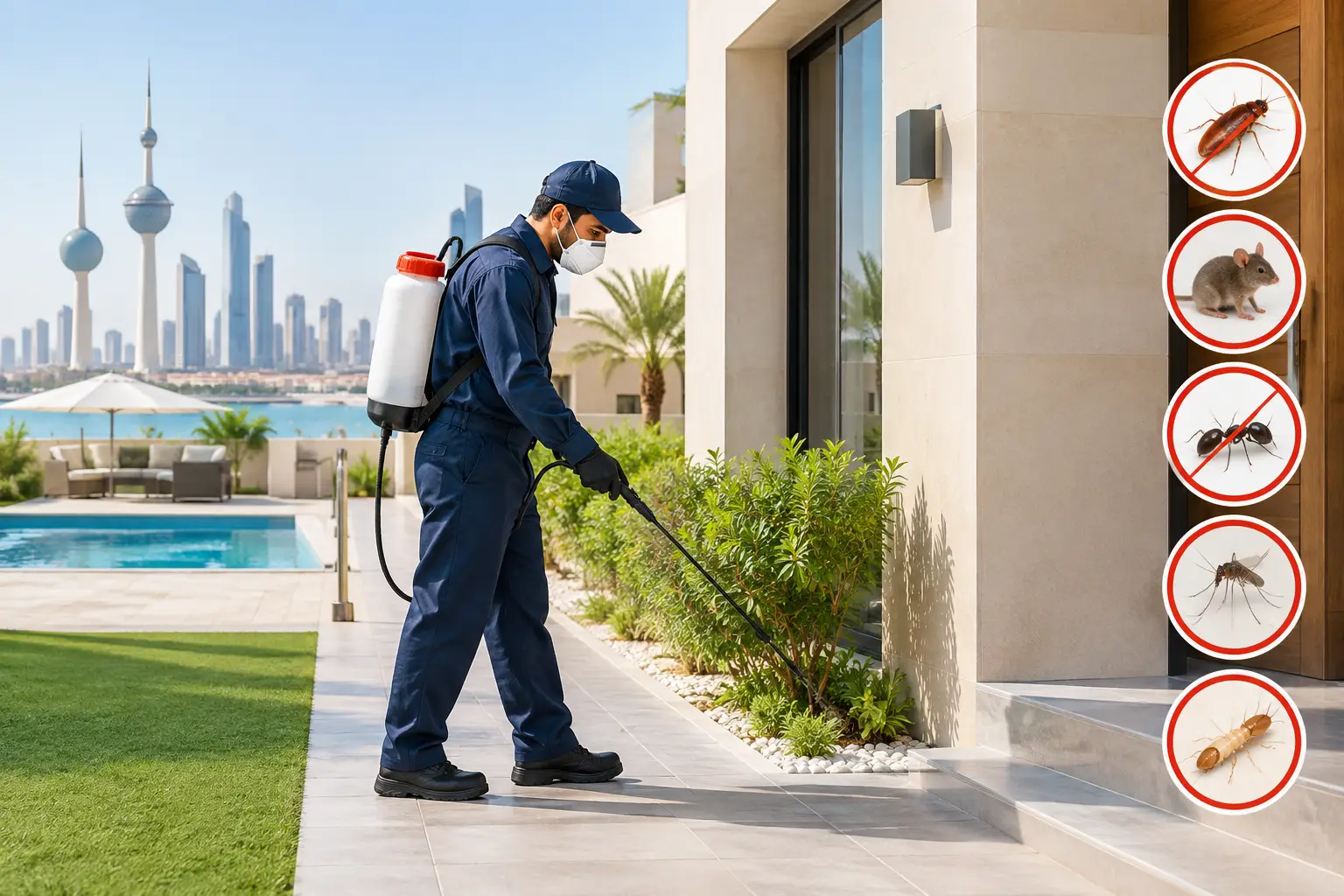
A single cockroach near the kitchen sink or a line of ants by a window may seem minor, especially in a busy home or office. But these are often the first visible signs of a larger issue. The main reasons to schedule pest control are not limited to removing pests you can already see. Professional treatment helps identify likely entry points, reduce conditions that support infestations, and protect the cleanliness and day-to-day use of the property.
In Kuwait, high temperatures, dust, building gaps, food storage, irrigation, and shared plumbing routes can all affect pest activity. The right response depends on the type of pest, the size of the property, and whether the issue is isolated or recurring. Acting early usually gives you more control over the situation.
Reasons to Schedule Pest Control Early
1. Small signs can point to a larger infestation
Pests are rarely seen in the same numbers as they are present. Cockroaches often stay hidden in warm, dark areas near kitchens, bathrooms, drains, appliances, and storage spaces. Ants may travel through narrow wall gaps or under doors before forming a visible trail. Rodents can remain out of sight while leaving droppings, gnaw marks, or disturbed stored items.
Waiting until the problem becomes obvious can allow it to spread to more rooms, neighboring units, stock areas, or common spaces. A professional inspection focuses on the evidence around the visible activity, not just the insect or rodent seen that day. This makes it easier to address the source instead of repeatedly treating the same symptom.
2. Food areas and waste points need consistent attention
Kitchens, pantries, staff break rooms, restaurant back areas, and waste rooms create favorable conditions when food residue, moisture, or packaging is left accessible. This does not mean a property is unclean. Even well-maintained spaces can attract pests through deliveries, nearby waste areas, floor drains, or gaps around pipes.
For homes, pest activity around food preparation areas affects comfort and hygiene. For businesses, it can disrupt daily operations and create concerns for employees, visitors, or customers. Pest control is most useful when paired with practical housekeeping measures, such as storing dry goods in sealed containers, clearing food waste regularly, and reporting leaks or damaged seals. Treatment handles the pest issue, while better conditions help reduce the chance of it returning.
3. Kuwait’s climate can increase pest pressure
Heat encourages many pests to seek water, shade, and cooler indoor areas. During hotter periods, cockroaches, ants, and rodents may move toward air-conditioned rooms, plumbing routes, utility areas, and shaded exterior spaces. Outdoor landscaping and irrigation can also create damp zones that support insects near entrances or ground-floor rooms.
Seasonal activity does not follow one fixed schedule for every property. A villa with a garden has different risk areas from a high-rise apartment, while an office with a pantry has different concerns from a retail store with frequent deliveries. Scheduling pest control when activity first appears, rather than relying on a calendar alone, allows the service scope to match the property’s actual conditions.
4. Shared buildings can allow pests to move between units
In apartment buildings, offices, and commercial properties, pests do not always remain within one unit. They can move through service shafts, ceiling voids, pipe openings, corridors, trash rooms, and shared drainage routes. Treating only the location where pests were noticed may provide short-term relief if the wider source remains active.
Building managers should document where and when sightings occur. Patterns matter: repeated reports near the same riser, floor, kitchenette, or waste area can help a specialist assess whether the concern is local or connected to a shared area. Coordinated communication also helps occupants prepare correctly before treatment and avoid assumptions about the cause.
5. Repeated home remedies can hide the real problem
Store-bought sprays and traps may reduce visible activity for a short period, but they do not always reach nesting areas, entry routes, or hidden breeding sites. In some cases, using several products without a clear plan can scatter pests into other spaces or make it harder to judge where activity is coming from.
There is also a practical safety consideration. Chemical products should be handled according to their labels and kept away from children, pets, food, and food-contact surfaces. Avoid mixing products or using treatments in ways not intended by the manufacturer. When pests keep returning, a managed service is a better next step than escalating DIY methods.
6. Different pests need different treatment plans
Pest control is not one standard treatment for every situation. Cockroaches, ants, bed bugs, flies, mosquitoes, rodents, and termites have different habits, hiding places, and treatment requirements. A general treatment may not be appropriate when the issue needs targeted inspection, follow-up visits, exclusion work, or property preparation.
For example, recurring flies may be linked to waste handling, drains, or standing water. Rodent evidence may require attention to access gaps and storage practices. Bed bug concerns need careful assessment because bites alone can be mistaken for other skin irritations, and the affected rooms may need specific preparation before treatment.
A clear service scope should explain what the provider will inspect, which areas are included, whether occupants need to prepare rooms, and whether a follow-up is recommended. This is especially important in occupied homes, offices, clinics, retail locations, and properties with pets.
7. Prevention protects the property between treatments
The strongest reason to schedule pest control is prevention, particularly when a property has had recurring activity or has conditions that make pests more likely. Regular inspections can identify issues such as damaged door sweeps, gaps around utility lines, cluttered storage, leaking fixtures, uncovered bins, or standing water before they become a larger problem.
Prevention is not a promise that pests will never appear. Buildings are exposed to changing weather, deliveries, visitors, neighboring properties, and normal wear over time. It does, however, help property owners make informed decisions before an infestation affects several rooms or interrupts business operations.
Warning Signs That Should Not Be Ignored
A pest sighting is one reason to arrange a visit, but it is not the only one. Watch for droppings, shed skins, egg cases, unusual odors in cabinets or utility spaces, chewed packaging, grease marks along walls, small holes near pipe entries, or unexplained insect activity at the same time each day.
For businesses, staff observations are valuable. A recurring report from a cleaner, security guard, tenant, or employee can reveal a pattern before management sees it directly. Keep notes on the location, date, type of evidence, and any nearby changes such as a leak, renovation work, new landscaping, or a waste collection issue.
What a Professional Pest Control Visit Should Cover
A properly managed visit starts with understanding the pest concern and the areas affected. The specialist should assess likely entry points, nesting locations, moisture sources, food access, and building conditions that may be contributing to activity. The treatment approach should be suitable for the property type and the pest identified.
Customers should also receive clear preparation and aftercare guidance. This may include moving items away from treatment areas, protecting food and utensils, allowing access to cabinets or utility rooms, or following instructions about when to re-enter a treated space. If the issue requires another visit, that should be communicated clearly rather than presented as a surprise.
Tasleeh connects customers in Kuwait with approved pest control specialists through a professionally managed service network, with clear communication around the work required.
Choosing the Right Time to Request Service
The right time is usually when you notice recurring evidence, not when the issue becomes disruptive. A one-time insect sighting after an open door or delivery may not always indicate an infestation. Repeated sightings, activity in food or waste areas, signs in multiple rooms, or evidence of rodents should be assessed promptly.
For landlords and building managers, it is also sensible to arrange an inspection before handing over a unit, reopening a vacant office, or preparing a property after renovation. Construction dust, stored materials, open access points, and disrupted plumbing areas can create conditions worth checking.
A clean, comfortable property depends on more than responding to visible pests. When the signs keep returning, arrange a professional assessment early, follow the preparation guidance carefully, and use the findings to correct the conditions that allow pests to settle in.