
What Causes Recurring Drain Odors at Home?
Learn what causes recurring drain odors, from dry traps to vent and sewer line issues, and when professional plumbing maintenance is the right next step.
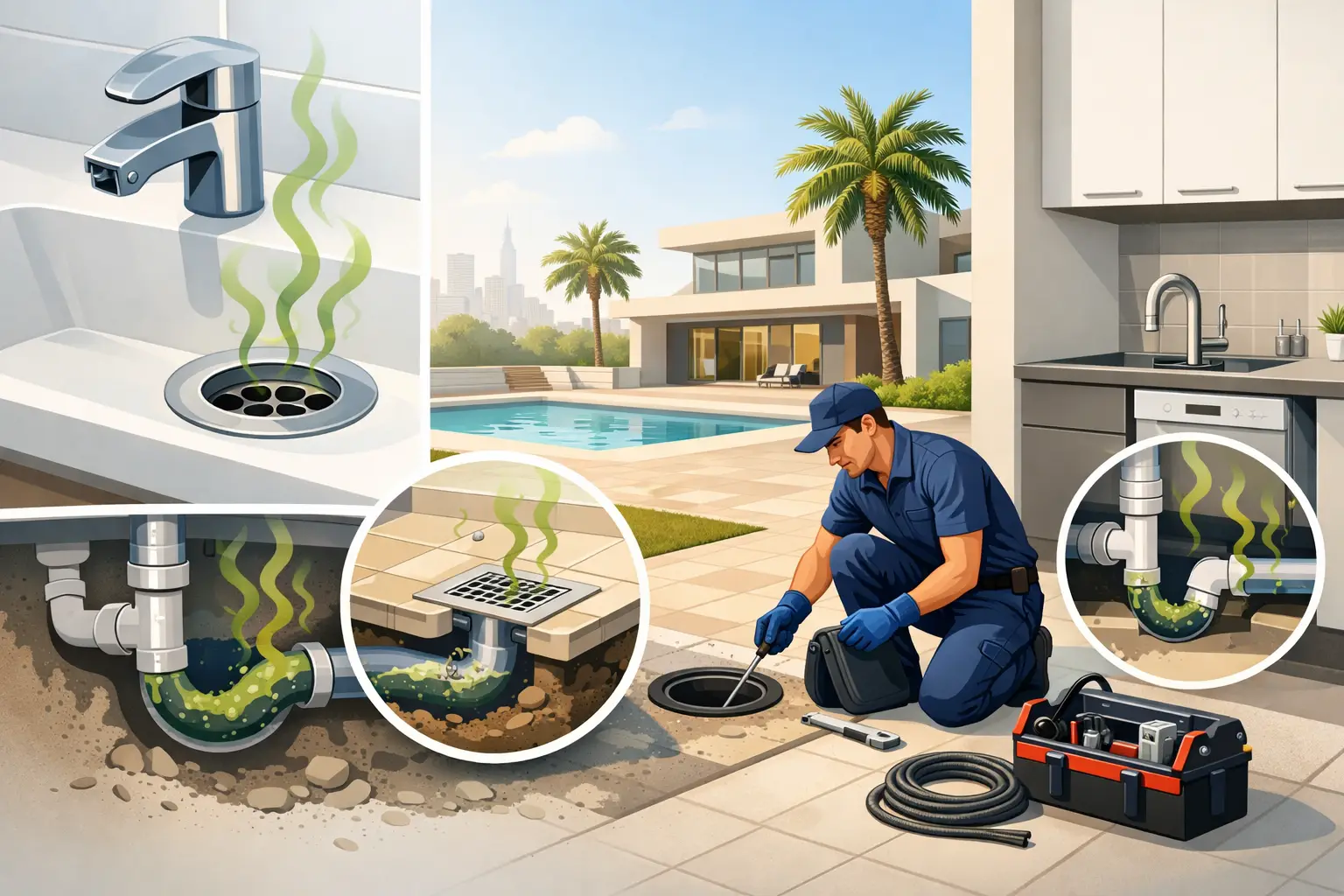
A drain can smell fine after cleaning, then bring the odor back a few days later. That pattern is the key clue: what causes recurring drain odors is usually not surface dirt alone. The source may be inside the drain trap, further down the pipework, or in the plumbing system that allows sewer gases to leave the building safely.
For homeowners, tenants, and building managers, recurring odors are more than an inconvenience. They can make bathrooms, kitchens, utility rooms, and common areas unpleasant to use. In some cases, the smell also points to a drainage issue that needs attention before it develops into a blockage, leak, or hygiene concern.
What Causes Recurring Drain Odors?
Drain odors usually come from sewer gases or decomposing organic material. A properly functioning plumbing system is designed to keep those smells inside the drainage network and outside the occupied space. When an odor enters a room repeatedly, something is allowing it through.
The cause depends on where the smell is coming from, when it appears, and whether water is draining normally. A kitchen sink that smells after washing dishes has different likely causes than a floor drain that smells after a property has been vacant.
A dry drain trap
Most sinks, showers, floor drains, and other fixtures have a curved section of pipe called a trap. It holds a small amount of water, creating a seal between the room and the drain line. If that water evaporates, sewer gases can move upward through the drain opening.
This is especially common in rarely used bathrooms, guest rooms, storage areas, laundry spaces, and floor drains. Kuwait's heat can make evaporation happen faster, particularly in properties that are closed for periods of time or where air conditioning affects indoor humidity.
If an unused drain starts smelling but improves after water is run into it, a dry trap may be the reason. If the odor returns quickly, the trap may not be holding water properly or another drainage issue may be present.
Buildup inside the drain
Kitchen drains collect grease, food residue, soap, and small particles. Bathroom drains commonly collect hair, soap film, toothpaste, skin oils, and other residue. Over time, this material can stick to pipe walls and create a layer where bacteria grow. The resulting odor can smell sour, musty, rotten, or similar to sewage.
A cleaned sink basin does not necessarily mean the drain itself is clean. The odor-producing buildup may be below the strainer, around the drain stopper, or farther inside the branch pipe. This is why fragranced cleaners often hide the problem for a short time without removing its source.
Slow drainage alongside an odor is a useful sign. It may indicate that buildup is restricting water flow and needs proper drain cleaning rather than another round of surface cleaning.
A blocked or dirty overflow opening
Bathroom sinks often have a small overflow opening near the top of the basin. It helps prevent water from spilling over, but it can also collect moisture, soap residue, and bacteria. Because the opening is easy to overlook, odors from it are often mistaken for smells coming directly from the drain.
An odor that becomes stronger when water runs near the upper part of the sink may point to the overflow channel. A plumbing technician can inspect the full drain assembly and clean the areas that are not easily accessible from above.
A drainage blockage or partial blockage
A complete blockage is obvious: water backs up and refuses to drain. A partial blockage is less clear. Water may still go down, but slowly, while trapped residue and standing water create an ongoing odor.
In apartment buildings and commercial properties, the issue may be beyond one fixture. A shared branch line or main drainage line can collect waste, grease, or debris. If several sinks, toilets, or floor drains smell at the same time, the source may be in the building drainage system rather than in one room.
Repeated gurgling sounds, water rising in one fixture when another is used, or odors appearing after heavy water use should not be ignored. These signs call for a professional assessment of the drainage line.
A problem with plumbing vents
Drainage systems need vent pipes to balance air pressure as water moves through the lines. Without proper venting, water can be pulled out of a trap or gases can find an easier path back into the building.
Vent problems are not always visible from inside the property. A blockage, damage, poor connection, or design issue can affect how fixtures drain and how well traps maintain their water seal. You may notice recurring smells along with gurgling drains, inconsistent draining, or odors that seem to appear after toilets are flushed.
Vent inspections should be handled by qualified plumbing professionals. The right solution depends on the building layout, the affected fixtures, and the condition of the drainage system.
Loose seals, damaged pipes, or failed connections
Not every drain odor comes through the drain opening. A worn seal around a toilet, a loose pipe connection under a sink, or a damaged drain pipe can allow odors to escape behind cabinets, below fixtures, or into wall cavities.
These problems may produce a smell that lingers even after the drain has been cleaned. In bathrooms, a sewer-like odor near the base of a toilet deserves prompt attention, especially if there is any movement in the toilet, staining on the floor, or signs of moisture.
Leaks and failed seals can also affect nearby finishes, cabinetry, and ceilings in lower units. Early inspection is usually less disruptive than waiting for visible damage.
Why Drain Odors Often Return After Cleaning
A recurring odor usually means the first action addressed the symptom, not the cause. Pouring a cleaner into the drain may temporarily reduce the smell from surface buildup. It will not restore a dry trap, repair a seal, clear a deeper obstruction, or correct a vent issue.
Chemical drain products can also be a poor fit for repeated use. Some are harsh on older pipework and may not work effectively against grease, heavy buildup, or a physical blockage. Mixing cleaning products can create hazardous fumes, so avoid combining products or using stronger chemicals when the odor returns.
The better approach is to identify the affected fixture and the conditions around the smell. Does it occur only after the drain is used? Does it worsen after the room has been closed? Is there slow drainage, gurgling, or a smell from more than one location? These details help determine whether the issue is local or part of a wider plumbing concern.
When to Request Plumbing Maintenance
A one-time mild odor from a rarely used floor drain may improve when the trap receives water. But recurring smells, especially sewage-like odors, should be checked if they do not resolve or keep returning.
Request professional plumbing maintenance when you notice several of the following signs:
- The odor returns soon after cleaning or flushing the drain with water.
- Water drains slowly, backs up, or causes gurgling sounds in nearby fixtures.
- Multiple drains in the property have odors at the same time.
- The smell is strongest around a toilet base, under a sink, or near a floor drain.
- There is visible dampness, staining, or evidence of a leak near plumbing connections.
- The property has been vacant and odors return repeatedly after drains are used.
For landlords and building managers, documenting which rooms are affected and when the odor occurs can make the inspection more efficient. It also helps distinguish a tenant-level fixture issue from a shared building drainage problem.
Tasleeh provides organized plumbing support as part of its MEP Maintenance Services Kuwait, with clear service scope and communication for homes, offices, and commercial properties. A qualified inspection can identify whether the problem is a trap, drain buildup, pipe connection, venting concern, or a larger line issue before unnecessary work is carried out.
A drain should not need constant fragrance products to smell normal. When an odor keeps returning, treat it as a maintenance signal: the right inspection can restore a clean, usable space and help prevent a small plumbing concern from becoming a more disruptive one.