
Car Detailing in Kuwait: What It Covers and When
Car detailing in Kuwait protects paint, interiors, and resale condition. Learn what the service covers, when to book, and what affects the result in Kuwait.
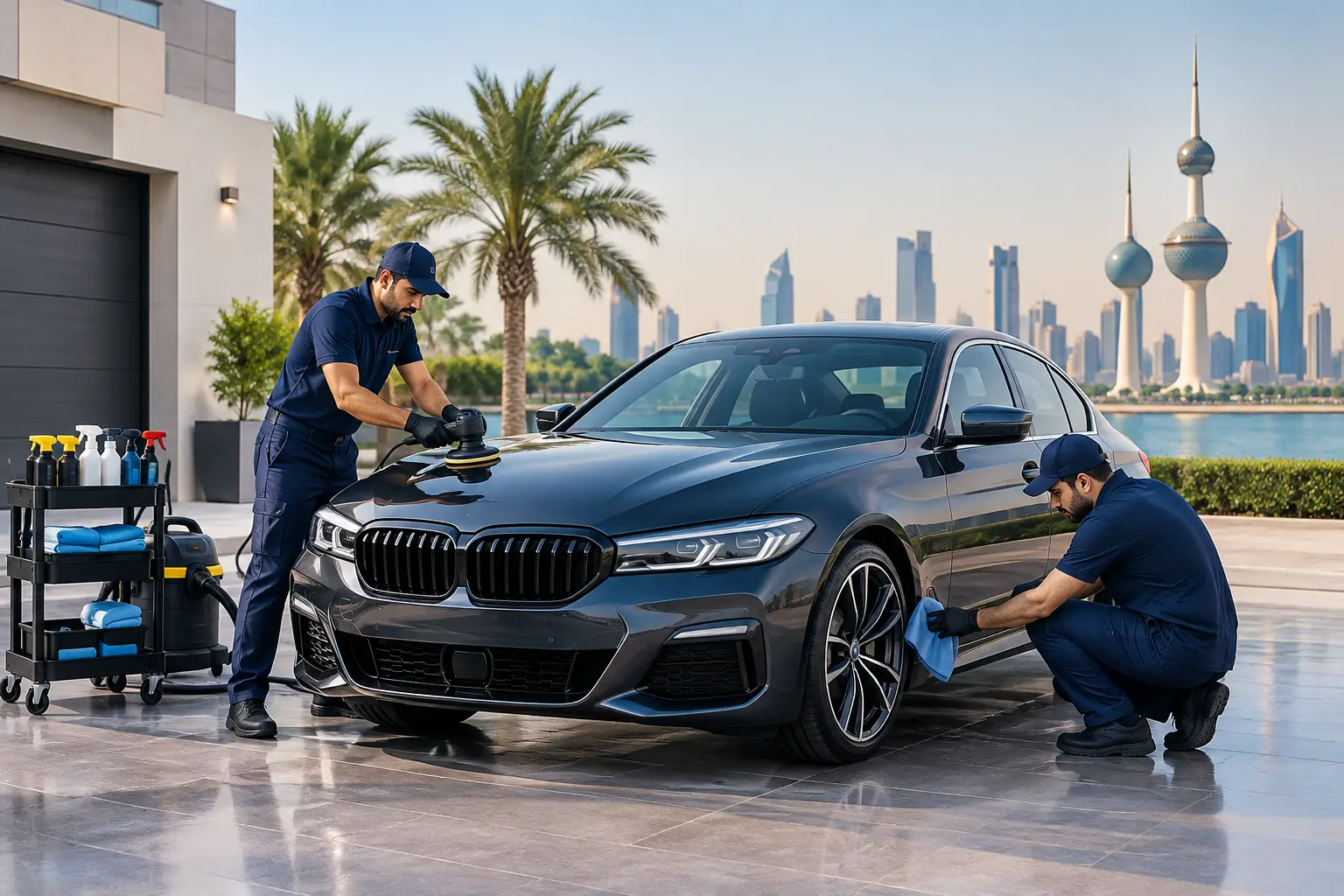
A vehicle can look clean after a quick wash and still carry the damage of daily driving. In Kuwait, dust, heat, sun exposure, road film, and spills inside the cabin can affect paint, trim, glass, and upholstery faster than many owners expect. Car detailing is a more thorough service that focuses on cleaning, restoring, and protecting the vehicle’s visible surfaces rather than simply rinsing away surface dirt.
For owners, tenants, fleet users, and businesses that rely on presentable vehicles, the right question is not whether detailing makes a car look better for a day. It is whether the service scope matches the vehicle’s condition and the result you need. A well-planned appointment can improve comfort, preserve materials, and help maintain a vehicle’s overall condition.
What Car Detailing Usually Covers
Car detailing is a condition-based service. The work may focus on the exterior, the interior, or both, depending on what the vehicle needs. Unlike a basic wash, detailing generally involves closer inspection, more careful cleaning of difficult areas, and treatments selected for specific materials.
Exterior work commonly begins with removing loose dust, road grime, and buildup around wheels, door edges, emblems, and other areas that are often missed during routine cleaning. The vehicle is then cleaned using methods intended to reduce unnecessary rubbing on the paint. Depending on the service scope, the process may also include cleaning glass, treating exterior trim, polishing paint, and applying a protective finish.
Interior detailing typically addresses the cabin areas that collect dust and contact marks: seats, carpets, floor mats, door panels, dashboard surfaces, cup holders, vents, and the trunk. Fabric, leather, plastic, and touchscreen surfaces need different cleaning methods. A professional provider should assess the material before applying products, particularly where there are stains, worn coatings, delicate trim, or aftermarket accessories.
The exact outcome depends on the starting condition. Detailing can reduce the appearance of dullness, staining, and light surface marks, but it cannot always reverse deep scratches, cracked trim, sun-damaged materials, or paint defects that extend below the surface. Clear communication before work begins prevents unrealistic expectations.
When Your Vehicle Needs Car Detailing
A car does not need to look neglected before it benefits from detailing. Regular care can be useful for newer vehicles as well as older ones, especially when they spend long hours outdoors or carry children, pets, customers, or work equipment.
The exterior may need attention when the paint feels rough after washing, the finish has lost its shine, or dust and residue seem to stick quickly after cleaning. Water spots, insect residue, bird droppings, and road contaminants should not be left in place for long periods, as they can mark or weaken the surface over time.
Inside the vehicle, odors that return after routine cleaning, stained seats, sticky touchpoints, dusty vents, and discolored carpets are common signs that a deeper service is appropriate. For businesses, a worn or untidy cabin can also affect how drivers, clients, or visitors perceive the vehicle.
Detailing is also worth considering before selling a car, returning a leased vehicle, preparing a company vehicle for a new driver, or after a trip that has left the interior heavily used. It will not replace bodywork or mechanical repair, but it can make the vehicle easier to assess and present.
Why Kuwait Conditions Change the Maintenance Schedule
Kuwait’s climate makes surface protection more than a cosmetic concern. Fine dust can settle into gaps around mirrors, door seals, wheels, and interior vents. Repeated wiping of dusty paint with a dry cloth can create light marks because the particles move across the finish. High temperatures and direct sun can also dry out some interior and exterior materials over time.
Parking location matters. A vehicle kept in covered parking will usually need less frequent exterior correction than one parked outdoors every day. Vehicles used near construction activity, open roads, or coastal areas may also collect more residue. There is no single detailing schedule that suits every car.
For many vehicles, routine washing between detailing appointments is enough to prevent heavy buildup. A more comprehensive detail may be appropriate when normal cleaning no longer restores the finish or when interior use has become difficult to manage. The goal is maintenance, not over-treatment. Excessive polishing, for example, is not necessary for every visit and should only be considered after the paint condition is assessed.
What to Ask Before Booking a Detailing Service
A clear service scope matters as much as the final shine. Before arranging car detailing, describe the vehicle honestly: its size, how it is used, the type of upholstery, any visible stains, odors, scratches, pet hair, or previous paint protection. Photos can help a provider understand the condition, but an in-person inspection may still be needed for a precise assessment.
Ask whether the service includes interior cleaning, exterior decontamination, paint polishing, wheel cleaning, glass treatment, and protective products, or whether these are separate options. “Full detail” can mean different things between providers, so the included tasks should be confirmed rather than assumed.
It is also useful to ask how the provider handles sensitive areas such as screens, sensors, leather, matte finishes, custom wraps, and damaged trim. A suitable process for one vehicle can be unsuitable for another. Strong cleaning products or aggressive polishing methods can cause avoidable issues when used without checking the material first.
For company or household vehicles, agree on handover details in advance. Remove personal documents, valuables, and loose items from the cabin and trunk. Point out existing marks or damage before the service starts. This keeps the process organized and helps both sides understand the expected work.
Detailing Versus Repairs
Car detailing improves the appearance and cleanliness of surfaces. It does not repair mechanical faults, replace damaged body panels, correct serious paint damage, or resolve electrical warning lights. If a vehicle has water entering the cabin, a persistent burning smell, damaged wiring, a cracked windshield, or a dashboard warning indicator, it needs the appropriate specialist inspection rather than a detailing treatment.
The same applies to severe mold, major flooding, or contamination caused by a leak. Cleaning the visible area may not address the source of the problem. The underlying issue should be identified first so that damage does not return after the vehicle has been detailed.
This distinction is helpful when arranging multiple vehicle services. A clean interior may reveal a worn seat cover or a leak that had gone unnoticed. In that case, detailing has done its job by improving condition and visibility, while the repair should be handled separately by a qualified provider.
Protecting the Result Between Appointments
The best way to extend a detailing result is simple, consistent care. Avoid wiping dry dust from painted panels. Use appropriate cleaning methods, address fresh spills inside the cabin promptly, and avoid leaving food, wet towels, or heavily soiled items in the vehicle for long periods. Sunshades and covered parking can also reduce prolonged heat exposure where practical.
Pay attention to the areas that are touched every day: steering wheel, door handles, armrests, screens, and seat edges. Regular light cleaning prevents oils and grime from becoming harder to remove. If a product leaves streaks, a greasy finish, or an unusual smell, stop using it rather than applying more.
Tasleeh supports approved specialist services within its network, including car services, with a focus on clear scopes and professionally managed customer communication. When arranging a detailing service, a defined scope and an accurate description of the vehicle will lead to a more useful result than choosing based on a broad label alone.
A car that is cleaned and protected at the right time is easier to live with, easier to present, and easier to maintain. Start with the vehicle’s actual condition, confirm what the service will cover, and treat detailing as part of regular vehicle care rather than a last-minute fix.