
Car Maintenance Kuwait: What Your Vehicle Needs
Car maintenance Kuwait drivers can plan around heat, dust, and heavy traffic. Learn the warning signs, service scope, and timing that protect reliability.
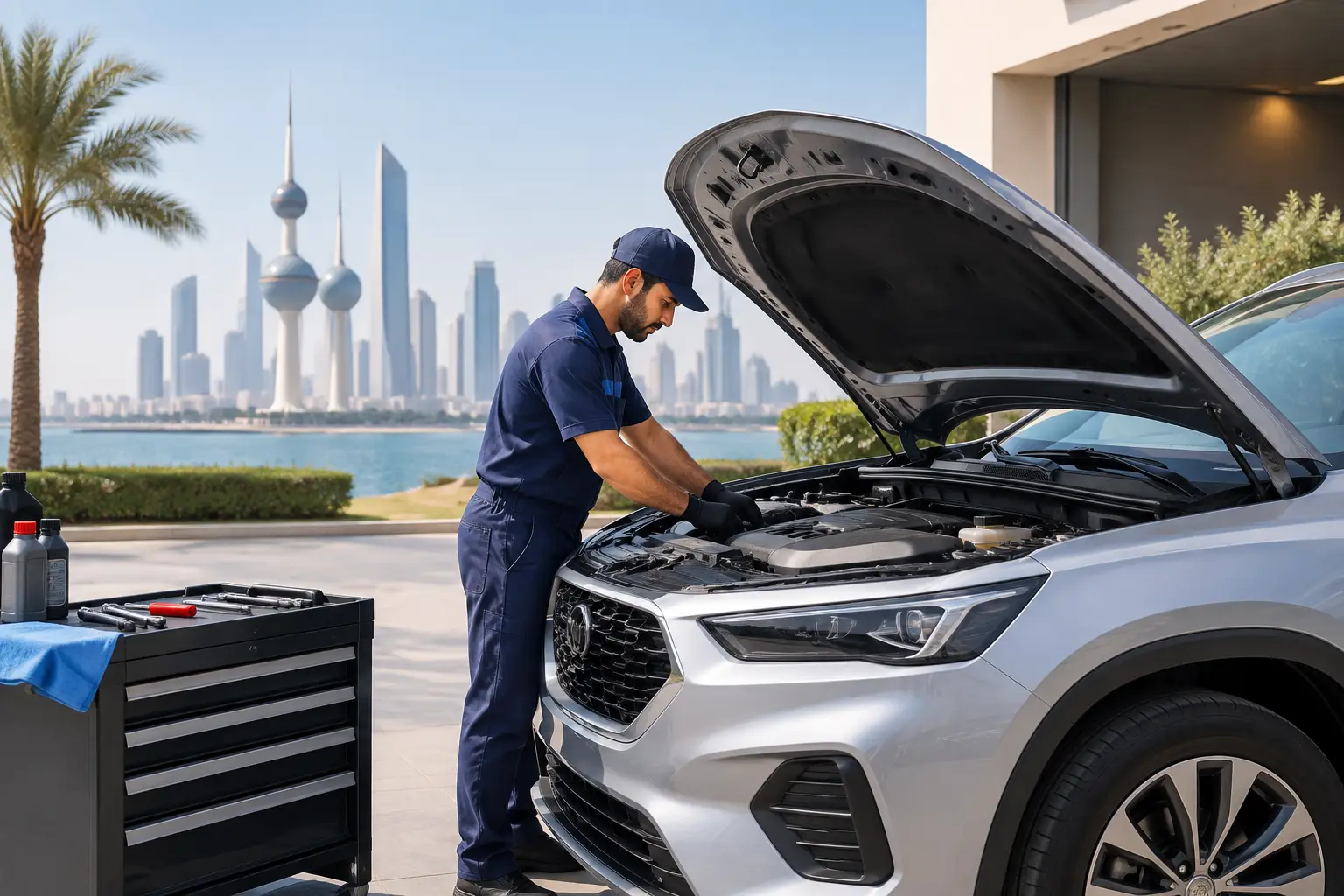
A vehicle that performs normally in mild weather can develop problems quickly after a Kuwaiti summer. High heat puts extra load on the battery, tires, engine cooling system, and air conditioning, while dust and stop-start traffic add wear that is easy to miss. Regular car maintenance Kuwait drivers can schedule around these conditions helps reduce unexpected breakdowns and keeps the vehicle dependable for daily work, family travel, and longer road trips.
The right maintenance plan depends on the vehicle's age, mileage, manufacturer requirements, and how it is used. A newer car driven mainly on short city journeys has different needs from an older vehicle used daily between governorates. The useful approach is not to wait for a warning light or a roadside problem. It is to inspect the systems affected most by local conditions and address changes before they become disruptive.
Why Car Maintenance Matters More in Kuwait
Extreme heat is not simply uncomfortable for drivers. It affects the fluids, rubber components, electrical parts, and cooling systems that keep a vehicle operating. Engine oil works harder at high temperatures, coolant must circulate correctly, and a weak battery may fail with little warning. Tires also run hotter on the road, especially when their pressure or tread condition is not suitable.
Dust is another practical concern. It can reduce airflow through filters, settle around moving components, and affect visibility when it coats windshields, lights, and cameras. Dusty conditions do not mean every part needs replacing early, but they do make routine inspection more valuable. A qualified technician can assess the actual condition of filters, brakes, fluids, and tires rather than replacing parts based on assumptions.
For landlords, business owners, and fleet users, preventive service also supports planning. A vehicle taken out of use unexpectedly can affect staff travel, deliveries, site visits, or customer appointments. Scheduled maintenance gives the owner a clearer view of what work is needed and when.
The Core Areas of Car Maintenance in Kuwait
A professional car service should follow the vehicle manufacturer's maintenance schedule while considering heat, dust exposure, and driving patterns. The service scope may vary, but several areas deserve regular attention.
Engine oil and essential fluids
Engine oil protects internal engine parts from friction and heat. Its replacement interval should follow the manufacturer's guidance, taking account of the oil specification required for the vehicle. Delaying an oil change can increase wear, particularly when the car spends long periods in traffic or makes frequent short trips.
A service inspection should also review coolant, brake fluid, windshield washer fluid, and other applicable fluids. Low coolant, leaks, contaminated fluid, or an incorrect fluid type can lead to larger problems. Drivers should not open a hot cooling system or attempt to repair leaks themselves. If the temperature gauge rises above normal, steam appears, or there is a sweet smell from the engine area, stop safely and arrange professional inspection.
Battery and electrical checks
A car battery can weaken faster in sustained high temperatures. Slow starting, dim headlights, dashboard warnings, or electrical features that behave inconsistently may indicate that the battery or charging system needs attention. These signs can also have other causes, so testing is more useful than guessing.
A technician can assess battery health, terminal condition, and charging performance. This is particularly worthwhile before the hottest months and before a long trip. Modern vehicles depend on stable electrical power for far more than starting the engine, including safety systems, sensors, and climate control functions.
Tires, wheels, and brakes
Tires are the vehicle's direct connection to the road. Pressure should be checked when the tires are cool and set according to the vehicle manufacturer's recommendation, not an estimate based on appearance. Underinflation can increase heat buildup and uneven wear, while overinflation can reduce grip and ride comfort.
During a professional inspection, the technician can check tread depth, uneven wear, sidewall damage, wheel alignment concerns, and the spare tire where fitted. A vibration through the steering wheel, the car pulling to one side, or repeated pressure loss should be examined rather than ignored.
Brake inspection is equally important. Squealing, grinding, a soft brake pedal, vibration while braking, or a vehicle that takes longer to stop requires prompt attention. Brake work should always be handled by qualified professionals because the system directly affects vehicle safety.
Air conditioning and cabin air quality
Air conditioning is a working necessity during much of the year in Kuwait. If the cabin takes longer to cool, airflow is weak, unusual odors appear, or the system makes new noises, it is time for an inspection. The cause may be a restricted cabin filter, a component issue, or a refrigerant-related concern. Proper diagnosis matters because adding refrigerant without identifying the reason for reduced cooling may not solve the underlying problem.
A service can assess cooling performance, airflow, cabin filter condition, and visible system concerns. Keeping the cabin filter in good condition can also help reduce dust entering the vehicle, although it will not replace regular cleaning of the interior.
Warning Signs That Should Not Wait
Some maintenance items can be planned around the service schedule. Others need a faster response. Request an inspection if the engine temperature is higher than usual, a warning light remains on, fluid is visible under the car, the vehicle struggles to start, or there is a burning smell.
New noises also matter. A clicking sound when starting, a grinding noise while braking, knocking from the suspension, or a loud change in engine sound can point to a developing fault. The sound alone does not identify the problem, but it gives the technician useful information. Note when it occurs, such as during turns, braking, acceleration, or air conditioning use.
Do not continue driving if a warning indicates overheating, low oil pressure, or a serious brake concern. Stop in a safe location and arrange appropriate assistance. Continuing to drive can turn a repairable issue into engine, brake, or electrical damage.
How Often Should You Schedule Service?
The manufacturer's owner manual remains the starting point for maintenance intervals. Mileage and time both matter, since some fluids and components can degrade even when a car is not driven often. A low-mileage vehicle parked outdoors through hot weather may still need inspections and routine service.
For many drivers, a seasonal check before peak summer is sensible. This can focus on the battery, tires, cooling system, air conditioning, and fluid condition. A second check after the hottest period may be useful if the vehicle has covered high mileage, traveled frequently on highways, or shown signs of reduced performance.
There is no single interval that suits every vehicle. A family SUV used daily, a rarely driven second car, and a commercial vehicle each have different service demands. Keeping service records helps identify recurring issues and makes it easier to follow the correct maintenance schedule over time.
What to Expect From a Professional Car Service
A clear car maintenance service starts with the vehicle's condition and the customer's concern. The provider should ask about warning lights, unusual sounds, recent changes in performance, and the vehicle's service history where available. This prevents a routine inspection from overlooking the reason the customer requested help.
The service scope should be explained in practical terms. For example, a routine check may cover fluids, filters, tires, battery condition, brakes, and visible leaks, while a fault diagnosis may require more targeted testing. If additional work is recommended, the customer should understand what has been found and why it needs attention before proceeding.
Tasleeh connects customers with approved specialist providers through its Car Services network, with a focus on clear service scopes and managed customer communication. This is particularly helpful when a vehicle needs a specific inspection rather than a vague request for general repair.
Simple Habits Between Services
Drivers do not need to perform mechanical repairs to care for a vehicle. A few basic observations can make a professional service more effective: watch the dashboard for new warnings, note changes in cooling performance, look for fresh fluid marks where the vehicle is parked, and pay attention to changes in steering, braking, or starting.
Keeping the windshield, lights, and mirrors clean also supports safe visibility in dusty conditions. Check that maintenance records are retained, especially after work on brakes, tires, batteries, or cooling-related components. These records give the next service provider useful context and help owners make better decisions about the vehicle's condition.
The most useful next step is to treat unfamiliar changes as information, not an inconvenience to postpone. A timely inspection can clarify whether a concern is routine wear, a seasonal maintenance need, or an issue that requires more immediate attention.