
Electrical Work Quality Review: What to Check
Use an electrical work quality review to spot incomplete repairs, confirm safer results, and know when to request a qualified electrician in Kuwait homes.
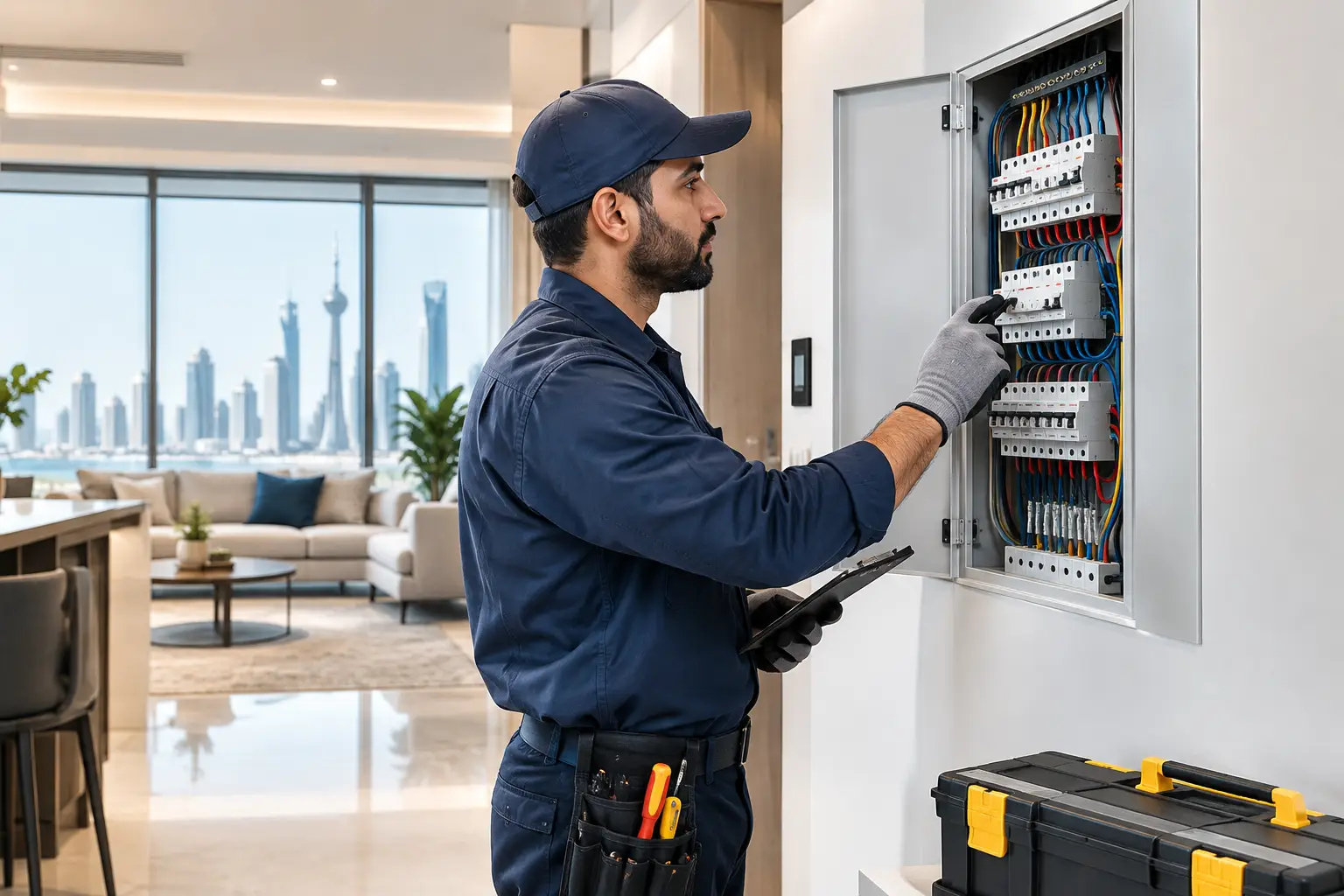
A new socket, repaired circuit, or replaced light fitting should leave your space safer and easier to use, not create new questions. An electrical work quality review helps a homeowner, tenant, landlord, or building manager check whether the job appears complete, clearly explained, and ready for normal use. It is not a reason to open panels or test wiring yourself. It is a practical way to identify visible issues and know when to ask the electrical provider to return.
In Kuwait, electrical systems work hard for long periods. Air conditioning, kitchen equipment, water pumps, office devices, and charging equipment can all place sustained demand on a property’s circuits. A repair that looks tidy but does not address the cause of a repeated trip, overheating outlet, or unreliable connection can lead to further disruption.
Why electrical work quality matters
Electrical work is often judged only when something stops working. That is understandable, but a functioning light or outlet is not the full measure of a good repair. Quality also means that the original issue was properly assessed, the work area was left orderly, the repair matches the agreed scope, and the customer knows what was done.
For a villa, this may mean restoring reliable power to a section of the home without leaving exposed cables or unexplained changes. In an apartment, it may mean replacing a damaged outlet and checking whether the surrounding connection shows signs of heat damage. In an office or retail space, it may involve minimizing disruption while ensuring the affected circuit is clearly identified and operating as intended.
The standard should reflect the work. Replacing a light switch is not the same as investigating repeated breaker trips or correcting a supply issue affecting several areas. A useful review considers both the visible finish and whether the reported problem has been addressed.
Electrical work quality review: what you can check safely
Customers should not remove outlet covers, access a distribution board, handle loose wires, or attempt to recreate an electrical fault. However, you can make a few simple observations from a normal distance once the technician has completed the work and explained the result.
The original problem is resolved
Start with the reason you requested service. If a light was flickering, does it now operate normally? If an outlet was loose or not supplying power, is the outlet secure and usable without movement? If a circuit was tripping, has the technician explained what caused it and whether the load on that circuit needs attention?
A repair may be complete even if the technician identifies a separate underlying issue. For example, a failed light fitting can be replaced, but an older circuit may still require further assessment if there are signs of repeated overload. What matters is that this distinction is explained clearly rather than left unclear.
The visible finish is neat and secure
Look for covers, switches, sockets, and light fittings that sit straight and appear firmly fixed. There should be no exposed conductors, broken faceplates, sharp edges, hanging cables, or open electrical boxes left behind. Cable routing should not create a trip hazard or obstruct normal access to doors, walkways, or equipment.
A tidy result is not merely cosmetic. Loose fittings and poorly protected connections can be early signs that a job needs follow-up. If something appears unfinished, take a photo and ask the provider to review it rather than touching it yourself.
The work area is left in usable condition
A professional service visit should include reasonable cleanup of the immediate work area. Dust from drilling, packaging from replacement parts, old faceplates, or other job-related waste should not be left for the customer to manage. Furniture or items moved to reach the work area should be returned where practical.
This does not mean every electrical visit will be dust-free, especially where wall access or more extensive repairs are necessary. It does mean the technician should communicate what was required, protect the area as appropriate, and leave the space safe to use.
The explanation matches the work completed
You should receive a plain-language explanation of the issue found, what was repaired or replaced, and whether any further action is recommended. This is particularly useful for landlords and building managers who may not have been present when the problem first occurred.
Ask whether the repair was limited to one component or whether the technician found a wider condition that should be monitored. Clear communication helps avoid confusion later, especially when several people use the same property or when maintenance records are needed.
Warning signs that need prompt attention
Some concerns should not wait for a routine review. If you notice a burning smell, smoke, sparks, crackling sounds, scorch marks, repeated tripping, an outlet that feels unusually hot, or lights that keep dimming and brightening, stop using the affected equipment and arrange qualified electrical assistance promptly.
Do not try to tighten a loose socket, reset a repeatedly tripping breaker, or investigate a panel on your own. The visible symptom may come from a connection, appliance, circuit load, or component that needs professional assessment. In a shared building or commercial space, report the issue through the responsible property contact as well, particularly if it affects common areas or essential operations.
Water changes the urgency. A leak, flooding, or moisture close to outlets, wiring, electrical panels, or equipment should be treated as a safety concern. Keep people away from the affected area and contact a qualified provider. Electrical and plumbing issues can overlap, and both may need coordinated attention.
What a professional electrical service should cover
The exact scope depends on the fault, property type, and access to the affected area. Still, a well-managed electrical visit generally begins with understanding the reported issue and checking the relevant equipment or circuit. The technician should complete the agreed repair, replace suitable components where needed, and confirm the work result before leaving.
For larger or recurring issues, the service may also identify conditions that fall outside the first repair. A circuit may be overloaded by added appliances, a damaged fitting may be part of a broader aging problem, or access restrictions may prevent same-visit completion. These are not necessarily signs of poor service. They become a concern when they are not communicated clearly or when the next step is vague.
A controlled service process is especially useful in occupied properties. Tenants need to know what will be interrupted. Landlords need a record of the issue and work completed. Businesses may need service arranged around operating hours and customer areas. Tasleeh provides managed electrical maintenance with clear service scopes and customer communication for these practical situations.
When to request a follow-up review
Request a return visit when the same issue comes back soon after the repair, a new issue appears in the work area, or the completed work does not match what was explained. Examples include a repaired outlet becoming loose again, a light continuing to flicker, a breaker still tripping under normal use, or visible finishing work remaining incomplete.
It also makes sense to request a review if you were not present during the visit and the handover was unclear. Ask for a simple explanation of the completed work and any recommended follow-up. For landlords and facility teams, keeping this information with the property’s maintenance record makes future diagnosis easier.
Not every later electrical issue is connected to the previous job. A different appliance, another circuit, or changes in how the space is used can create a separate problem. A qualified technician can determine whether it is a return issue or a new service need without assumptions.
A good electrical result should leave you with fewer uncertainties: the immediate problem is addressed, the work area looks properly finished, and any remaining concern is explained in plain language. If any of those points are missing, request a professional review before a small concern becomes a larger interruption.