
Mobile Car Wash in Kuwait: What to Expect
A mobile car wash in Kuwait saves time and helps protect your vehicle. Learn what service includes, when to schedule, and what to check before arrival.
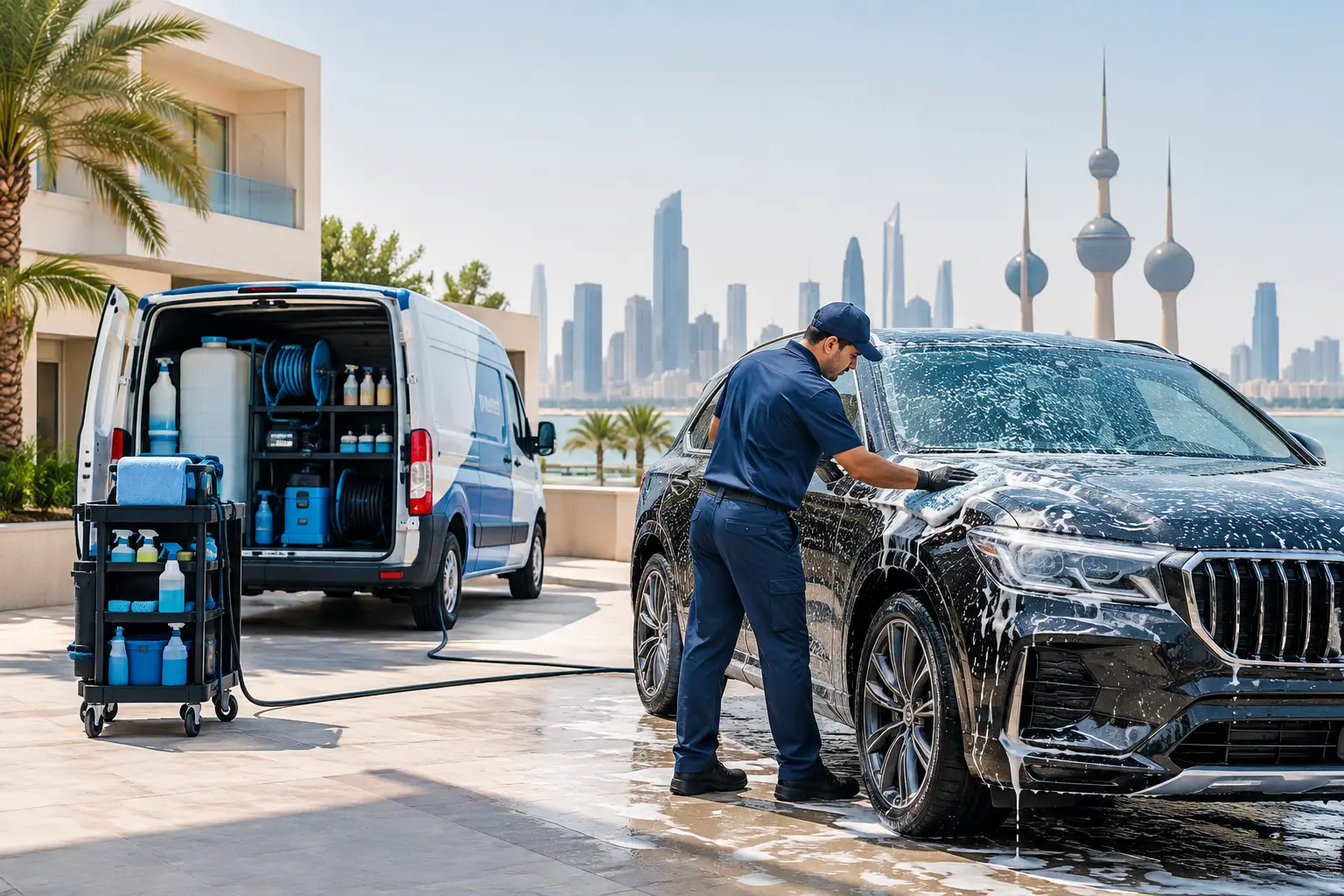
A mobile car wash is useful when your vehicle needs regular care but taking it to a fixed location does not fit around work, school runs, building access, or daily traffic. In Kuwait, dust can settle quickly on paintwork, glass, wheel arches, and door seals. A professional wash at your home, office, or designated parking area can keep the vehicle presentable while making the process easier to plan.
The main benefit is convenience, but the service still needs the right conditions. Parking access, property rules, the level of cleaning required, and the vehicle’s condition all affect what can be completed on site. Knowing what to expect helps homeowners, tenants, office managers, and fleet users arrange a wash that is practical and appropriate for the vehicle.
What a Mobile Car Wash Usually Covers
A standard mobile car wash generally focuses on removing surface dirt from the exterior and refreshing the interior. The provider may clean the body panels, windows, wheels, tires, mirrors, door edges, floor mats, dashboard surfaces, and interior vacuum areas. The exact scope should be confirmed before the appointment, especially if the vehicle has heavy sand buildup, pet hair, stains, or paint contamination.
Exterior washing should begin with a careful rinse or dust-removal process. This matters in Kuwait because wiping dry dust across paint can create fine marks. The vehicle is then washed using suitable cleaning products, with extra attention to lower panels and wheel areas where road grime collects.
Interior work is often limited to vacuuming, wiping accessible surfaces, cleaning interior glass, and organizing mats. It is not necessarily the same as deep upholstery cleaning, odor treatment, leather restoration, or full detailing. If the seats have embedded stains or the cabin has a persistent odor, raise this before the service so the provider can confirm whether specialized treatment is suitable.
Why Regular Washing Matters in Kuwait
Dust is more than a cosmetic issue. Fine particles can settle in window channels, around mirrors, under wiper blades, and near door seals. Left for long periods, this buildup can make glass harder to clean and leave the vehicle looking neglected even after a quick rinse.
Bird droppings, tree residue, and road contaminants should also be removed without unnecessary delay. They can stick to paint and become more difficult to clean, particularly when the vehicle is parked outdoors in high heat. Regular washing does not replace paint protection or repair existing damage, but it helps make the vehicle easier to inspect and maintain.
Clean windows, mirrors, lights, and plates also support everyday visibility. This is especially relevant after dusty conditions, when windshields and side mirrors may look acceptable from a distance but have a film that affects clarity in bright sun or at night.
When a Basic Wash Is Enough
A routine wash is usually appropriate when the vehicle has normal dust, light road dirt, fingerprints, and interior debris from daily use. For many vehicles parked outdoors, a regular schedule can prevent dirt from becoming heavily embedded.
The right frequency depends on where and how the car is used. A vehicle parked in a covered garage may need less frequent cleaning than one left outside near construction activity, open roads, or landscaped areas. Company vehicles and family cars used every day may also need more regular attention than a vehicle used only occasionally.
When You May Need More Than a Wash
A basic wash may not resolve certain problems. Water spotting, dull paint, scratches, tar marks, stained fabric, strong odors, mold concerns, and damaged trim need separate assessment. Asking a wash provider to remove a stubborn mark without clarifying the surface and treatment can lead to unrealistic expectations.
If there is oil leakage, unusual fluid around the vehicle, loose exterior trim, cracked lights, or mechanical warning signs, arrange the appropriate car service rather than treating the issue as a cleaning request. Washing a vehicle can improve its appearance, but it should not hide a maintenance concern that needs professional attention.
What to Check Before a Mobile Car Wash Arrives
The vehicle should be parked where the service team can work safely without blocking traffic, emergency access, loading areas, or shared building entrances. In apartment towers, office buildings, and commercial properties, check whether the parking operator or building management permits vehicle washing in the designated area.
It is also helpful to remove personal items from door pockets, the trunk, cup holders, and under seats. This protects valuables and gives the cleaner access to the areas that need attention. Tell the provider in advance if there are child seats, sensitive electronics, aftermarket accessories, or storage compartments you do not want opened.
Before work starts, walk around the vehicle and point out existing scratches, dents, paint chips, loose badges, or damaged interior surfaces. This is a simple way to establish the vehicle’s condition and avoid confusion afterward. Clear communication is particularly useful for vehicles that are leased, company-owned, or used by more than one driver.
Ask how the service handles water use and runoff at the location. A responsible mobile setup should take account of the parking surface, nearby drains, pedestrian areas, and property rules. This is not a minor detail in a residential compound or business parking facility, where water on the ground can affect other users and create avoidable inconvenience.
Choosing the Right Service Scope
The best mobile service is not always the longest one. It is the one that matches the vehicle’s current condition and your parking environment. A quick exterior and interior refresh may be suitable before guests arrive, before a business meeting, or as part of regular vehicle care. A more thorough cleaning may be better after a family trip, a dusty week, or extended outdoor parking.
When requesting a service, provide the vehicle type, parking location, preferred time, and a clear description of the condition. Mention whether it is a sedan, SUV, large family vehicle, pickup, or commercial vehicle, as the space and cleaning time can differ. Photographs may also help clarify heavy dirt, upholstery stains, or areas that need particular attention.
For office and building managers, consistency is often more useful than arranging ad hoc washes. If several vehicles are parked at the same site, access rules, approved work areas, and contact procedures should be clear before any service is scheduled. This keeps the activity organized and avoids disruption to tenants, visitors, or operations.
What Professional Communication Should Look Like
A well-managed car service should clearly confirm the agreed scope, location, access requirements, and any limits before work begins. If a requested task is outside a standard wash, such as deep stain removal or specialized exterior treatment, it should be identified rather than assumed.
The provider should also be able to explain what is practical at the chosen location. For example, a tightly parked basement space may not be suitable for all exterior cleaning methods, while a busy office lot may require a specific time window. Good service planning is not just about arriving at the vehicle. It is about completing the work without creating issues for the property or its users.
Tasleeh supports professionally managed specialist services with clear customer communication, helping customers identify the right service scope rather than treating every vehicle need as the same request.
A clean car is easier to use, easier to inspect, and more comfortable for passengers. Before arranging a mobile wash, focus on the vehicle’s condition, the work area, and the level of care actually needed. That preparation makes the service more useful than a last-minute rinse and helps keep regular vehicle care straightforward.