
How to Report a Plumbing Problem in Kuwait
Learn how to report plumbing problem details, spot urgent warning signs, and prepare for a professional plumbing visit in Kuwait homes and buildings today.
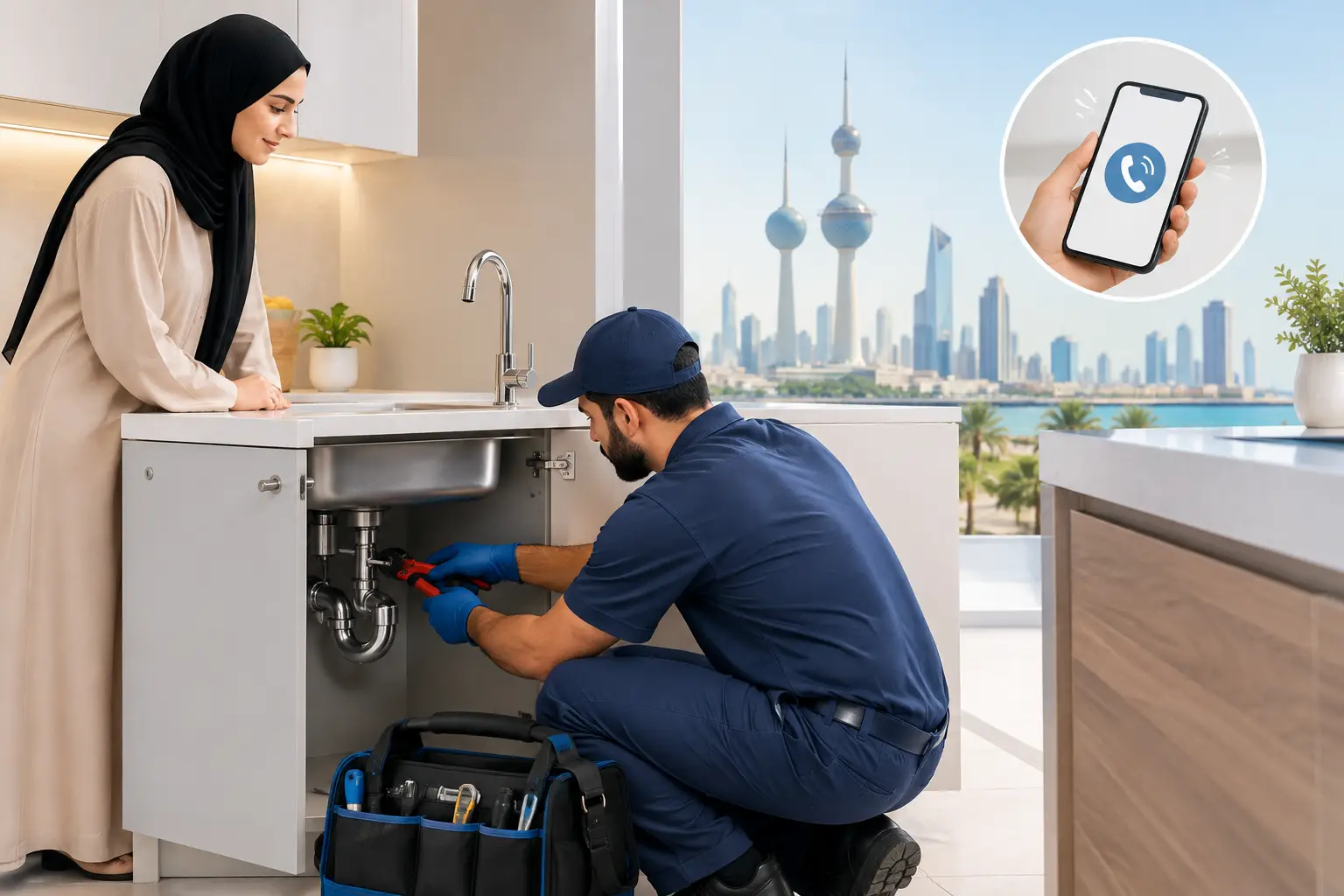
A small water stain under a sink can become a damaged cabinet, swollen flooring, or a complaint from the tenant downstairs. When you need to report a plumbing problem, the quality of the information you provide helps the maintenance team assess urgency, arrive prepared, and focus on the right part of the system.
For homes, apartments, offices, and commercial spaces in Kuwait, plumbing concerns range from a slow drain to a visible leak, a sewer odor, or no water at a fixture. They should not all be handled in the same way. A clear report helps distinguish a routine repair from a situation that needs urgent attention.
When a Plumbing Problem Needs Urgent Attention
Treat active water leaks, sewage backup, flooding, and a sudden loss of water pressure across the property as urgent issues. Water can travel behind walls, beneath tile, and through ceilings before the full extent of the damage is visible. In apartment buildings, a leak may affect another unit even when the source appears minor.
Report the issue immediately if water is flowing continuously, spreading across the floor, coming through a ceiling, or reaching electrical outlets, appliances, or equipment. A sewage smell combined with backed-up toilets or floor drains also needs prompt professional assessment. Do not use the affected fixture, and keep people away from wet areas where slipping or contact with electrical equipment may be a risk.
If you know where the property’s main water shutoff is and can access it safely, reducing the water flow may limit damage while help is arranged. Do not attempt to dismantle pipes, remove drain covers, use chemicals, or work on concealed plumbing yourself. In a managed building, notify the building manager or security team as well, especially if the leak may involve a shared line or another unit.
Not every issue is an emergency, but routine problems should still be reported before they grow. A faucet that drips, a toilet that keeps refilling, weak water flow at one fixture, or a drain that repeatedly empties slowly can point to a worn component, blockage, or supply issue. Early maintenance is usually less disruptive than waiting for a complete failure.
How to Report a Plumbing Problem Clearly
The most useful plumbing report answers a few practical questions: where the issue is, what you can see or smell, when it started, and whether it is getting worse. You do not need to diagnose the fault. Plain descriptions are more useful than guesses about what part has failed.
Start with the exact location. For example, say whether the issue is in the master bathroom, kitchen sink, guest washroom, office pantry, rooftop tank area, or a ground-floor restroom. In a larger property, include the building name, floor, unit number, and the nearest fixture. This prevents delays caused by searching for the affected area.
Then describe the symptom. A useful report might state that water is dripping from the pipe below the kitchen sink, the toilet bowl water level rises after flushing, or a damp patch has appeared on the ceiling below an upstairs bathroom. Mention whether the water is clear, discolored, or has an odor. If there is a drain issue, explain which fixtures are affected and whether the problem happens all the time or only when a particular fixture is used.
Timing matters. Include when you first noticed the issue, whether it appeared suddenly, and whether it follows a pattern. For instance, a ceiling drip that occurs only when the upstairs shower is running gives the technician a useful starting point. A drain that slows after several days of normal use may require a different assessment than one that stopped draining immediately after a heavy overflow.
Photos or a short video can help document visible leaks, water damage, or backup, provided you can take them without entering a hazardous wet area. They are particularly useful for landlords, property managers, and office administrators who may be reporting the issue from another location. Do not delay an urgent report just to collect images.
Details That Help the Service Team Prepare
A well-organized request should also mention whether water has been shut off, whether the area is accessible, and whether anyone has already tried a repair. Let the service team know about access restrictions, parking requirements, security check-in procedures, or business hours for commercial premises.
For a tenant, it is helpful to state whether the issue appears limited to the unit or whether neighbors may be affected. For a landlord or building manager, note whether the problem involves a private fixture, a shared bathroom line, a water tank connection, or a common area. The service scope can differ depending on who is responsible for the affected pipework.
Avoid relying only on terms such as “blocked pipe” or “broken pump.” The source may be elsewhere in the plumbing system. Describe what happened instead: “The floor drain overflowed after the washing machine drained” is clearer and helps a qualified technician inspect the right areas.
Warning Signs Worth Reporting Early
Some plumbing faults develop quietly. Water damage is often hidden at first, especially behind cabinets, under sinks, around toilets, and above suspended ceilings. Reporting early signs can prevent disruption to finishes, furniture, inventory, and neighboring spaces.
Watch for recurring dampness, peeling paint, bubbling wall finishes, unexplained mold growth, or a persistent musty smell. A higher water bill without a clear reason may also point to a concealed leak. In villas and buildings with water tanks, inconsistent water pressure or unusual sounds when fixtures are used may need professional inspection.
Drain odors should not be ignored, particularly in bathrooms, kitchens, utility areas, and commercial washrooms. Sometimes an infrequently used floor drain has dried out, but ongoing odor, repeated blockage, or wastewater backup needs a proper check. Pouring strong chemical products into drains can damage components or create a hazard for the person servicing the line later.
A toilet that runs continuously, a faucet that drips, or a shower with weak flow may appear minor, yet these problems waste water and can signal worn internal parts or a supply issue. Report them as routine maintenance before they affect daily use or lead to further damage.
What a Professional Plumbing Visit Usually Covers
Professional plumbing maintenance begins with checking the reported symptom and inspecting the accessible parts of the affected system. Depending on the issue, this may include fixtures, visible pipe connections, valves, drains, traps, water supply points, or signs of leakage around walls and ceilings.
The technician may test water flow, observe drainage, inspect for loose or deteriorated fittings, and identify whether the issue appears localized or connected to a wider line. If additional investigation, replacement parts, or coordination with building management is needed, that should be explained clearly before the next stage of work.
The appropriate response depends on the property and the fault. A sink leak may be resolved at the fixture, while a ceiling leak could require coordination between two units. A recurring drain blockage in a restaurant pantry has different operating considerations than a slow bathroom drain in a residence. Clear communication about the findings, work scope, and any access needs helps everyone make an informed decision.
Tasleeh provides managed plumbing maintenance as part of its MEP Maintenance Services Kuwait, supporting customers who need a qualified team for essential building systems rather than an informal repair arrangement.
Before the Technician Arrives
Keep the affected area accessible where possible, but do not move heavy appliances, open wall panels, or disconnect plumbing equipment. Remove personal belongings from the immediate area if it is safe to do so. For a leak under a sink, placing a container beneath the drip may help protect the cabinet temporarily, but do not tighten fittings or attempt a repair.
If the issue is in a tenant-occupied unit, ensure the person on site understands where the problem is and can provide access at the agreed time. In offices and retail spaces, tell staff not to use the affected restroom, sink, or appliance until it has been assessed. This avoids worsening a blockage or causing more water damage.
A plumbing report is most effective when it is prompt, specific, and focused on what you have observed. Give the service team the location, symptoms, timing, and access details, then let qualified maintenance professionals identify the cause. That practical approach protects the property and helps restore normal use with less disruption.