
When to Schedule Apartment Deep Cleaning
Learn when to schedule apartment deep cleaning in Kuwait, what cleaners should cover, and how to prepare your home for a thorough, practical service visit.
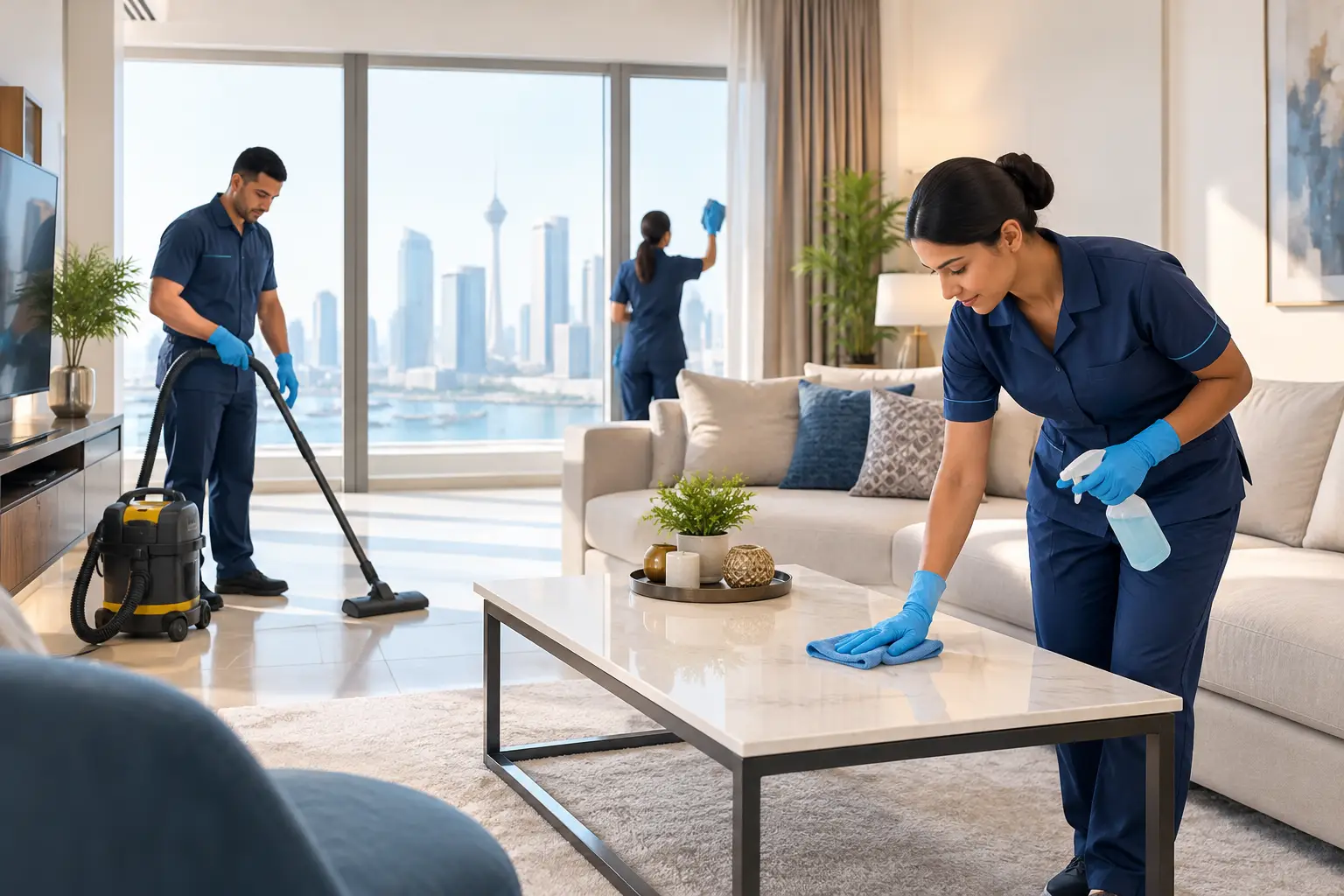
A routine tidy-up can keep an apartment presentable, but it does not remove the buildup that settles behind furniture, inside cabinets, around bathroom fixtures, and along window tracks. Knowing when to schedule apartment deep cleaning helps tenants, homeowners, and landlords restore the space before dirt, odors, and neglected areas become harder to manage.
In Kuwait, dust is a regular concern even in well-maintained apartments. Closed windows, frequent air-conditioning use, busy family routines, and cooking can all leave residue in places that standard weekly cleaning does not reach. A deep cleaning appointment is most useful when there is a clear change in the condition of the apartment, a move is approaching, or the home has simply gone too long without detailed attention.
What Apartment Deep Cleaning Usually Covers
Deep cleaning is not the same as regular housekeeping. Regular cleaning focuses on visible, everyday tasks such as wiping counters, vacuuming open floors, and cleaning commonly used bathroom surfaces. Deep cleaning gives more attention to areas that are easy to miss during a normal visit.
The exact scope should be confirmed before work begins, especially because apartments vary in size, furnishing, and condition. A thorough service commonly includes detailed cleaning of kitchens, bathrooms, bedrooms, and living areas. This may involve cabinet fronts and accessible interiors, appliance exteriors, tile and grout surfaces, sinks, faucets, shower areas, skirting boards, doors, switches, reachable light fixtures, and window tracks.
Floors are cleaned according to their material, while dust is removed from accessible ledges, shelves, and furniture surfaces. In furnished apartments, the condition of upholstery, mattresses, curtains, and carpets may require separate treatment or a specifically agreed scope. It is better to identify these needs in advance than assume they are included in a standard deep clean.
A professional cleaning visit should also distinguish between cleaning and repair. For example, a cleaner can remove visible dust around an AC vent, but a persistent musty smell, weak cooling, water dripping, or unusual noise calls for qualified HVAC attention. Likewise, stains around a sink may be a cleaning issue, while ongoing moisture or a leaking pipe needs plumbing maintenance.
When to Schedule Apartment Deep Cleaning
There is no single schedule that suits every apartment. A one-bedroom home occupied by one person may need deep cleaning less often than a family apartment with children, pets, frequent visitors, or daily cooking. The right timing depends on use, ventilation, the type of flooring, and how consistently routine cleaning is handled.
For many occupied apartments, a detailed cleaning every three to six months is a practical starting point. Apartments exposed to more dust, heavy kitchen use, or frequent occupancy may benefit from more regular deep cleaning. Rather than choosing a date only because the calendar says so, look for the signs that daily cleaning is no longer enough.
Before Moving In or Moving Out
A vacant apartment is usually easier to clean thoroughly because cabinets, closets, and floors are accessible. Scheduling deep cleaning before moving in gives tenants and owners a cleaner starting point, particularly in kitchens and bathrooms where previous use may leave residue in less visible places.
Before moving out, deep cleaning can help return the apartment in a presentable condition. Landlords and property managers also benefit from arranging it between tenants, since it allows the next inspection to focus on maintenance concerns rather than accumulated dirt.
After Renovation or Maintenance Work
Even small repair projects can leave fine dust on floors, shelves, and fixtures. After painting, drilling, ceiling work, or maintenance visits, a detailed clean helps remove residue from accessible surfaces before residents settle back into the space.
However, cleaning should be scheduled after repair work is complete. If there is an unresolved plumbing leak, damaged tile, exposed electrical component, or ongoing AC drainage issue, address that problem first. Cleaning around an active fault can hide the warning signs without solving the cause.
When Dust and Grease Keep Returning
A light layer of dust soon after cleaning is common in Kuwait, but repeated buildup on vents, window tracks, ceiling corners, and furniture edges may mean the apartment needs more than a quick wipe-down. Kitchen grease can also settle on cabinet fronts, backsplashes, extractor areas, and nearby walls over time.
Bathrooms give equally clear signals. Soap residue, mineral marks, darkened grout, lingering odors, and buildup around drains are all reasons to arrange detailed cleaning. If odors remain after normal cleaning or there are signs of water seepage, contact a qualified maintenance provider rather than relying on stronger cleaning chemicals.
How to Prepare for a Better Cleaning Visit
A small amount of preparation helps the cleaning team spend more time on the apartment itself. Personal documents, jewelry, medication, cash, and fragile items should be stored away before the appointment. Clear clutter from countertops, bathroom surfaces, and floors where possible, especially in rooms that need detailed attention.
If you want specific rooms or problem areas prioritized, mention them before the visit. Photos can help explain concerns such as heavily used kitchen cabinets, dust behind appliances, stained bathroom grout, or a vacant apartment that has been closed for several months. Clear expectations reduce the chance that an important area is overlooked.
It is also useful to confirm whether the apartment is furnished, whether parking or building access needs to be arranged, and whether there are building rules for service visits. In managed buildings, access timing and elevator use may affect how the work is planned.
Do not mix cleaning products or apply harsh chemicals to surfaces before the team arrives. This can create fumes, damage finishes, or make it difficult to assess what treatment is appropriate. If there is mold-like staining, persistent dampness, or a strong sewage smell, report it clearly. These conditions may be linked to ventilation or plumbing issues and should not be treated as a simple cleaning task.
Choosing the Right Scope for Your Apartment
The most useful deep cleaning request is specific about the apartment's condition. A furnished, occupied home may need concentrated work in bathrooms, kitchens, and high-touch areas. An empty apartment may need full access cleaning inside cabinets, wardrobes, and along floor edges. A home after maintenance work may need dust removal throughout, with extra attention to window tracks and surfaces that collect fine particles.
Ask what areas are included, what is excluded, and whether specialized tasks need separate approval. Exterior glass, high or inaccessible areas, heavy furniture moving, appliance interiors, carpet treatment, and upholstery cleaning may not be part of every service scope. A clear answer before the visit is more useful than an assumption on the day.
For landlords and building managers, documenting the apartment condition before and after turnover cleaning can also support a smoother handover. It creates a practical record of what was cleaned and makes unresolved maintenance concerns easier to identify.
Cleaning Can Reveal Maintenance Problems
A deep clean often makes hidden issues easier to spot. Once dust, grease, and surface buildup are removed, residents may notice cracked sealant, water marks, loose fixtures, damaged grout, or stains that point to an underlying problem.
Treat these findings separately from cleaning. Recurrent water marks below a sink, moisture near an AC indoor unit, flickering lights, or a bathroom exhaust fan that does not work properly should be assessed by qualified technicians. Essential building systems need the right service scope, whether that means HVAC, electrical, or plumbing maintenance.
A well-timed apartment deep cleaning does more than improve appearance. It gives you a clearer view of the condition of the home, helps protect frequently used surfaces, and makes the next routine cleaning far easier to manage.