
Tenant Guide to AC Repairs Before You Call
This tenant guide to AC repairs explains what to report, when to contact your landlord, and how professional HVAC service protects comfort in Kuwait homes.
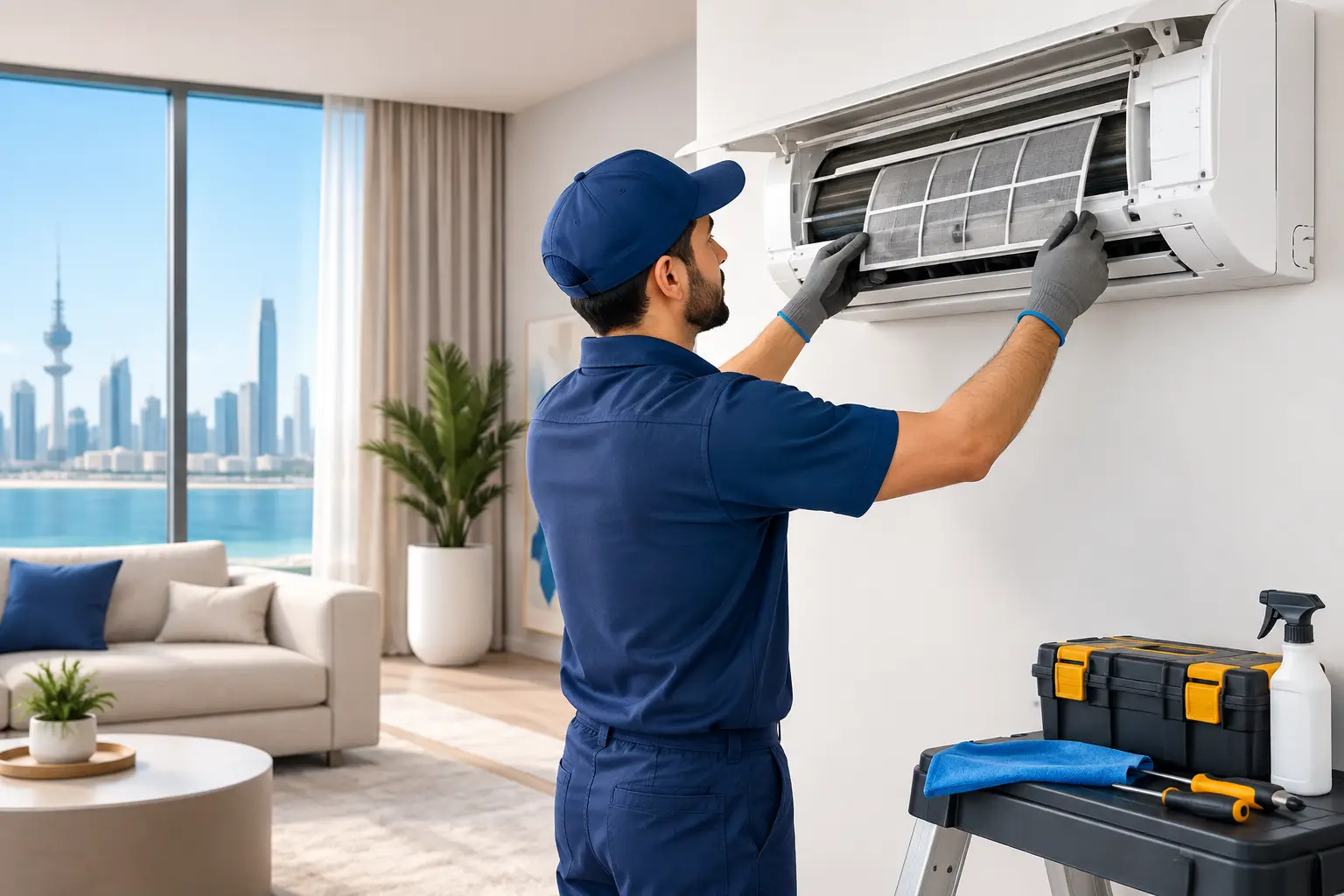
A Kuwait summer can turn a minor AC issue into a serious comfort problem within hours. This tenant guide to AC repairs helps you recognize what needs prompt attention, report the issue clearly, and understand where your responsibility usually ends and the property owner’s begins.
Your lease agreement is the first reference point, but most rental arrangements place the main air conditioning system and major repairs under the landlord or property manager’s responsibility. Tenants are generally expected to use the system reasonably, keep accessible vents clear, and report faults without delay. The exact arrangement can vary by lease, building policy, and whether the AC unit serves only your apartment or a shared part of the property.
Tenant Guide to AC Repairs: Start With Clear Reporting
When the AC is not cooling, it is tempting to simply say that it is "broken." A better report helps the landlord, building manager, or maintenance provider send the right HVAC technician and prepare for the likely issue.
State when the problem started, which rooms are affected, whether air is still coming from the vents, and whether the system is making unusual sounds. Include practical details: Is the thermostat showing power? Is water leaking from an indoor unit? Does the system run constantly but leave the room warm? If only one room has a problem while the rest of the apartment is cool, mention that too.
Photos or a short video can be useful for visible water leaks, thermostat displays, ice buildup, or error messages. Do not remove covers, open electrical panels, handle wiring, or attempt to recharge refrigerant. These tasks require qualified HVAC work and can create safety risks or cause further damage.
Keep a dated record of your report and any replies. This is not about creating conflict. It gives everyone a clear timeline, especially if the fault returns or the repair requires coordination with building management.
Know the Difference Between Urgent and Routine AC Problems
A system that is cooling less effectively may still need timely service, particularly in Kuwait’s high outdoor temperatures. However, some situations should be reported as urgent because they can affect safety, cause property damage, or leave the home unsuitable for normal use.
Report the following immediately to your landlord or building contact:
- A burning smell, smoke, sparking, or repeated power trips when the AC operates
- Significant water leakage near walls, ceilings, electrical outlets, or furniture
- No cooling at all during very hot weather, especially where young children, older adults, or people with health conditions are present
- A loud grinding, banging, or metal-on-metal sound from the indoor or outdoor equipment
- Water dripping from a ceiling, which may indicate a drain problem or an issue in a shared AC line
If there is smoke, a burning odor, or an electrical hazard, switch off the AC only if you can do so safely using the normal thermostat or accessible control. Move away from the affected area and follow the building’s emergency procedure. Do not investigate the equipment yourself.
Routine requests can include weak airflow, uneven cooling, a noisy vent, a thermostat that seems inaccurate, or an AC unit that takes longer than usual to cool a room. These should still be reported early. A small drainage or airflow issue can become a larger repair if it is left through a full cooling season.
What Tenants Can Check Without Repairing Anything
There are a few basic observations you can make before reporting the problem. They are not repairs, and they should not involve opening equipment or touching electrical components.
Check that the thermostat is set to cooling and that the selected temperature is lower than the current room temperature. Make sure doors and windows are closed, since heat entering a room can make a functioning AC appear ineffective. Also check that furniture, curtains, or stored items are not blocking visible supply or return vents.
If your apartment has a filter that is clearly identified as tenant-accessible in the lease or building instructions, follow those instructions only. Some systems use shared filters, concealed fan-coil units, or access panels that should be handled by maintenance staff. If you are unsure, report the issue rather than removing parts to investigate.
These simple checks help rule out everyday causes, but they do not diagnose the equipment. A professional assessment may be needed to identify a blocked drain, fan issue, thermostat fault, refrigerant problem, ductwork concern, or a failure in a central cooling system.
Who Is Usually Responsible for the Repair?
Responsibility depends on the lease and the source of the fault. In a typical rental property, the landlord or property manager is responsible for repairing and maintaining installed AC equipment, central systems, and related building components. This often includes fan-coil units, ducted AC, condensate drainage, thermostats supplied with the property, and outdoor equipment where applicable.
A tenant may be responsible if damage resulted from misuse, unauthorized alterations, or failure to follow clear lease requirements. For example, blocking a unit with heavy storage, damaging a thermostat, or arranging unapproved work on the system can complicate responsibility. Normal wear, age-related faults, and failures that occur during ordinary use are different matters.
Shared systems require additional coordination. In apartment buildings, the problem may involve a central plant, common drainage line, electrical supply, or building controls rather than the unit inside your apartment. Your landlord may need to work with the building manager to arrange access and service. This can affect the timing, but it should not prevent you from reporting the issue promptly and requesting updates.
What Professional AC Repair Should Cover
A proper HVAC visit begins with diagnosis, not guesswork. The technician should assess the reported symptoms, inspect relevant components safely, and identify whether the fault is within the apartment equipment or connected to a wider building system.
Depending on the system and fault, the service may involve checking airflow, thermostat operation, drainage, electrical connections, fan performance, coil condition, and system controls. If a repair cannot be completed during the first visit because a component, building approval, or access is needed, you should receive a clear explanation of the next step.
For tenants, the most useful outcome is straightforward communication. You should know what was found, whether the issue was resolved, whether follow-up work is needed, and whether you need to keep an area accessible. Avoid accepting vague statements that the system was "checked" if the AC is still not performing normally. Explain what is still happening and ask for the issue to be logged.
Prepare the Apartment for the Service Visit
Once a visit is arranged, make access easy and safe. Clear personal items away from the indoor unit, thermostat, vents, and any visible drain area. If the AC equipment is above a ceiling access panel, move furniture below it where practical. Tell the technician about recent leaks, power interruptions, construction work, or any prior repairs that may be relevant.
If you rent an office, retail unit, or commercial space, identify the person who can provide access to plant rooms, ceiling voids, or secured areas. AC faults in commercial properties can affect staff comfort, stock, equipment, and customer areas, so a clear point of contact reduces delays.
Do not arrange independent AC work without the property owner’s approval unless your lease specifically permits it. An unapproved repair can create disputes over cost, warranties, and responsibility, particularly where the equipment is part of a shared system.
When the Problem Keeps Coming Back
Repeated leaks, recurring warm airflow, and rooms that never cool evenly should not be treated as isolated incidents. Share the dates of earlier reports and explain whether the same symptom returned after service. Recurrence may point to an underlying drainage, control, insulation, airflow, or building-system issue that needs a more complete assessment.
For landlords and building managers, consistent records help determine whether the repair requires a specialist response rather than another temporary adjustment. Tasleeh provides managed HVAC support as part of its MEP Maintenance Services Kuwait offering, with clear service scope and professional communication for residential and commercial properties.
A working AC system is not a luxury in Kuwait’s hottest months. Report problems early, keep your communication specific, and leave technical repairs to qualified HVAC professionals so the issue can be resolved without creating a bigger one.