
What AC Service Includes in Kuwait Homes
Learn what AC service includes, from inspection and cleaning to performance checks, and know when Kuwait homes and offices need professional care now.
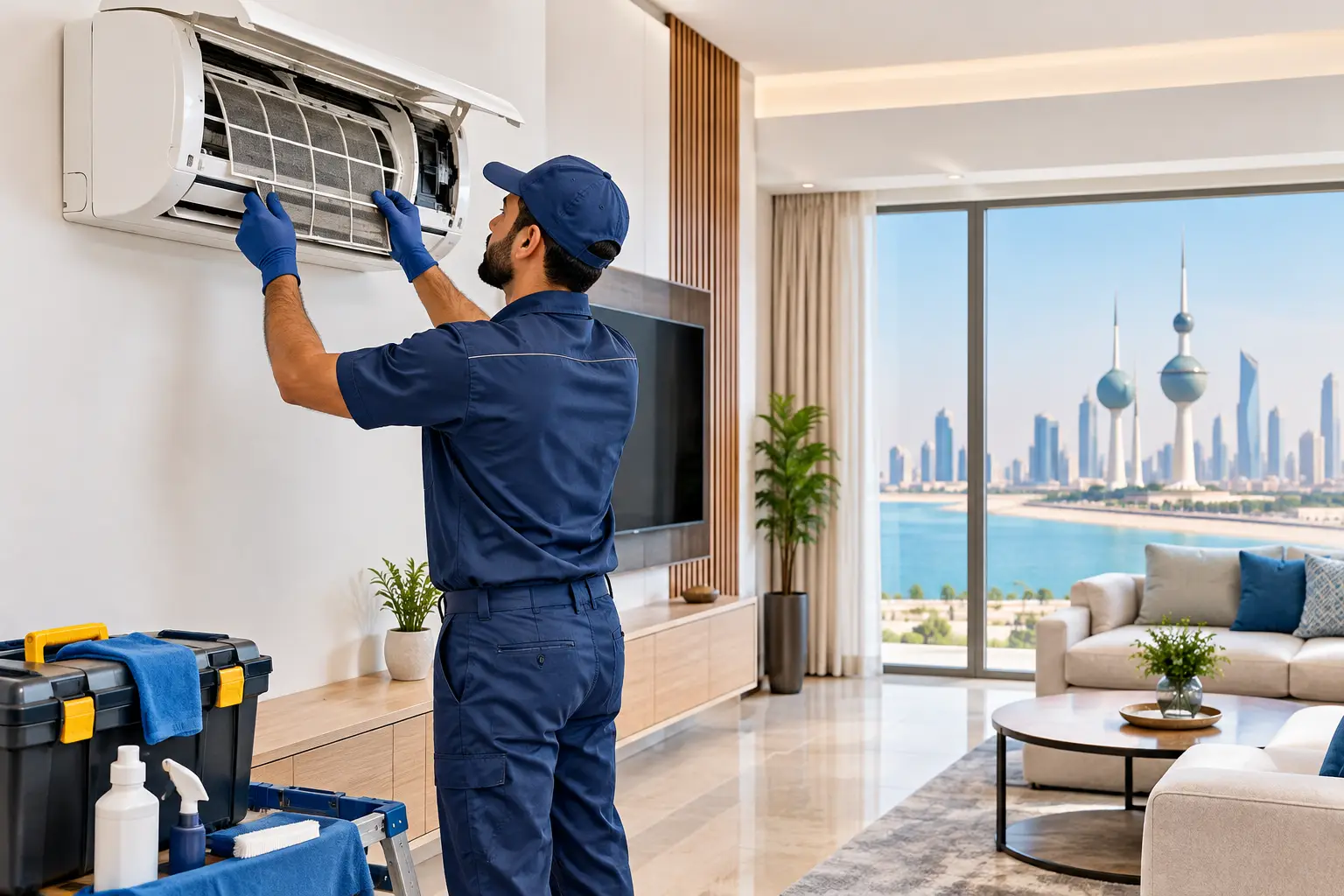
An AC that still blows air is not necessarily working well. In Kuwait, a system can appear normal while using more electricity, cooling rooms unevenly, or placing extra strain on key components. Understanding what AC service includes helps homeowners, tenants, and property managers know what they are requesting - and why a proper visit is more than a quick filter clean.
What Does AC Service Include?
AC service is a planned inspection, cleaning, and performance check of the air-conditioning system. The exact scope depends on the unit type, its condition, and the reported issue. A routine visit is intended to keep the system operating efficiently and identify developing faults before they become a breakdown.
For split units, central systems, ducted AC, and commercial equipment, the technician should assess the parts that affect cooling, airflow, drainage, and safe operation. The work may be preventive, such as seasonal maintenance, or corrective when there is a clear problem such as weak cooling or water leakage.
A professional service should begin with the customer’s concern and a visual review of the unit. If additional repair work is needed, it should be explained separately rather than treated as part of a basic service without discussion.
Inspection of Indoor and Outdoor AC Units
A service visit usually includes inspection of both the indoor and outdoor sections of the system. The technician checks the general condition of the unit, accessible connections, signs of corrosion, unusual vibration, loose panels, and visible damage.
Inside, attention is given to the evaporator area, air filters, blower section, drain components, and thermostat or control response. Outside, the condenser unit is checked for blocked airflow, dirt buildup, damaged fins, and operating noise. Outdoor units in Kuwait are exposed to heavy dust, heat, and sun, so their condition can affect cooling performance significantly.
The inspection also helps identify warning signs that may not yet be obvious to the occupant. For example, repeated moisture around an indoor unit can point to a drainage issue, while persistent rattling may require further assessment of mounting, fan components, or internal parts.
Filter, Coil, and Drain Cleaning
Cleaning is an essential part of AC maintenance, but it is not one single task. Air filters collect dust and reduce airflow when they are heavily loaded. During service, filters may be cleaned where appropriate or identified for replacement if their condition requires it.
The indoor coil and blower area can also collect dust over time. When buildup restricts airflow, the room may take longer to cool and the AC may run for extended periods. The technician will clean accessible components using suitable methods for the equipment and its condition.
The condensate drain line and tray are also checked and cleaned as needed. AC systems remove moisture from indoor air, and that water must drain correctly. A blocked or poorly draining line can cause dripping, water marks, unpleasant odors, or damage to ceilings and walls below the unit.
Not every unit needs the same depth of cleaning at every visit. A lightly used bedroom unit may need less attention than an AC serving a busy office, restaurant area, or villa living space. The technician should base the recommendation on visible condition and system performance.
Performance and Cooling Checks
After inspection and cleaning, AC service normally includes operational checks. The unit is run to confirm that it starts, responds to controls, circulates air, and produces cooling as expected. The technician may compare airflow and temperature behavior before and after servicing to identify whether the system is improving.
This stage can reveal problems that cleaning alone will not solve. Low cooling output, for instance, may relate to a refrigerant issue, a worn component, a control fault, poor airflow, or a problem elsewhere in the system. A responsible provider should explain the finding and recommend the right next step rather than assuming one cause.
Electrical checks are also part of professional AC maintenance. These are performed by a qualified technician, not by the customer. The technician may inspect accessible wiring, controls, capacitors, and connections for signs of overheating, wear, or irregular operation. Electrical faults can affect both reliability and safety, especially when equipment works hard during peak summer demand.
What Is Not Always Included in a Standard AC Service
The phrase “AC service” can mean different things, which is why confirming the scope before work begins matters. Standard maintenance does not always include replacement parts, major repairs, refrigerant charging, duct repairs, thermostat replacement, or deep cleaning that requires extensive removal of components.
Refrigerant should not be added simply because cooling feels weak. A properly functioning closed system does not consume refrigerant under normal operation. If a level is low, the technician should investigate whether there is a leak or another underlying fault. Treating the symptom without assessing the cause can lead to repeated cooling problems.
Similarly, a basic service may identify dirty ducts or airflow restrictions but may not include a separate duct-cleaning project. The right scope depends on the type of system, access to components, and the condition found during inspection.
Signs Your AC Needs Professional Attention
Regular servicing is useful, but some signs call for a service request sooner rather than waiting for the next planned visit. Weak airflow, rooms that cool unevenly, unusual noise, persistent odors, water leaking indoors, and a unit that cycles on and off repeatedly all deserve assessment.
A sudden increase in electricity use can also be relevant, particularly if the AC is running longer than usual to reach the same temperature. In a Kuwait summer, small performance issues can become more noticeable quickly because systems operate for long hours under intense heat.
Do not open electrical covers, handle refrigerant lines, or attempt to clear internal blockages yourself. These systems involve electrical components, moving parts, and drainage connections that need proper assessment. Turning the unit off and arranging professional maintenance is the safer response if there is a burning smell, repeated tripping, significant water leakage, or abnormal noise.
How Often Should AC Be Serviced?
Frequency depends on how the system is used. Many homes benefit from service before the main cooling season, with additional attention for units that run continuously or serve large family areas. Offices, retail spaces, and buildings with high occupancy may require a more structured maintenance schedule because dust, longer operating hours, and heavier airflow demands affect equipment faster.
A property with multiple AC units should not assume every unit needs identical work. A unit in a shaded bedroom may have different needs from an outdoor-facing unit cooling a busy reception area. Keeping simple records of service dates, reported faults, and repairs helps owners and building managers plan maintenance more effectively.
For tenants, reporting a problem early can prevent water damage or a complete loss of cooling. For landlords and property managers, planned AC care supports tenant comfort and can reduce disruption during the periods when technician demand is highest.
What to Expect From a Professional AC Visit
A well-managed AC visit should have a clear purpose: routine maintenance, investigation of a fault, or follow-up work after a diagnosis. The technician should inspect the relevant equipment, communicate findings in straightforward terms, and distinguish between completed maintenance and any repair that needs approval.
Tasleeh provides MEP Maintenance Services Kuwait customers can use for professionally managed HVAC maintenance. Clear scopes and customer communication are particularly valuable when a property has several units, recurring cooling issues, or tenants who need updates on the work being arranged.
Before booking, note which rooms are affected, when the issue started, whether there is leaking or noise, and whether the problem occurs at certain times of day. This information helps the technician assess the system more efficiently once on site.
A clean filter matters, but reliable cooling depends on the whole system working together. Request AC service when performance changes, not only when the unit stops completely - early assessment gives you a better chance to address a manageable issue before the hottest days place even more demand on the equipment.