
When to Call Plumbers for Common Home Problems
Know when to call plumbers for leaks, clogs, low water pressure, sewer odors, and water heater issues in Kuwait homes, offices, and buildings early on.
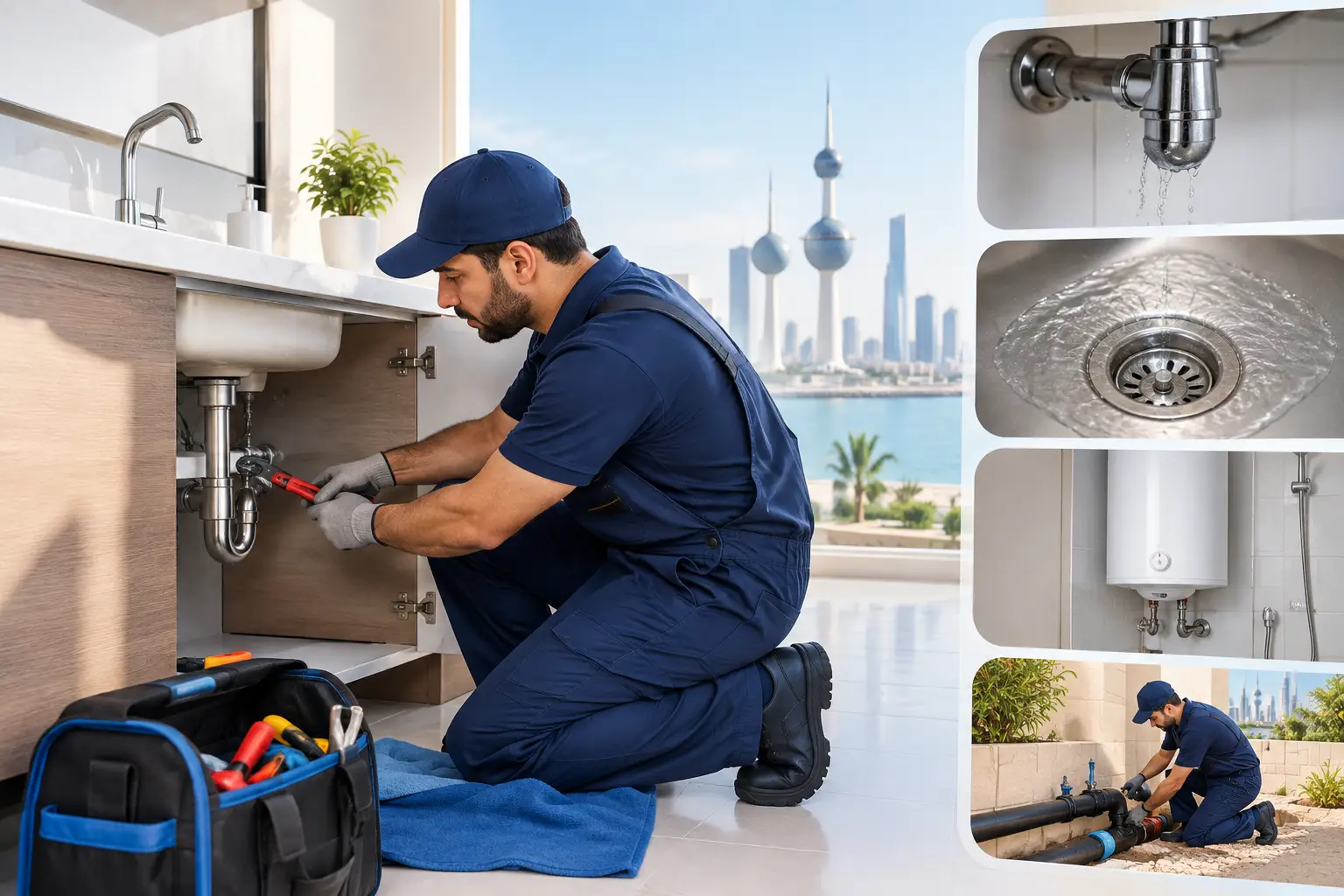
A slow drip below the sink can seem minor until it stains cabinetry, damages finishes, or appears in the apartment below. Knowing when to call plumbers helps homeowners, tenants, landlords, and building managers prevent a small plumbing concern from becoming water damage, a hygiene issue, or an interruption to daily operations.
Plumbing systems are largely hidden behind walls, under floors, and above ceilings. That means visible symptoms often tell only part of the story. A qualified plumber can identify where the problem starts, assess the condition of connected pipes and fixtures, and carry out the repair within a clear service scope.
When to Call Plumbers Immediately
Some plumbing problems need prompt professional attention because water can spread quickly or create an unsafe environment. Call a plumber without delay if there is active flooding, a burst or visibly damaged pipe, water coming through a ceiling, or wastewater backing up from a drain, toilet, or floor outlet.
If it is safe to do so and you know the location of the relevant shutoff valve, turn off the water supply to limit further leakage. Do not attempt to open walls, disconnect pipes, or handle plumbing near electrical outlets or equipment. Keep people away from standing water, especially where electricity may be present.
Water around a water heater, pump, or plumbing connection also deserves urgent attention. The source may be a loose fitting, a failed valve, a tank issue, or a concealed line. Waiting can lead to more damage and may leave the property without a reliable water supply.
Sewage Backup and Persistent Drain Odors
Wastewater backup is not a routine cleaning problem. It can expose occupants to contamination and may indicate a blockage in a branch line, a main drainage line, or a shared building connection. Repeated toilet overflows, water rising through a floor drain, and dark or foul-smelling water are all reasons to arrange plumbing service promptly.
A persistent sewer odor should also be investigated, even if there is no visible overflow. In some cases, an infrequently used drain has dried out. In others, the odor can point to a drainage or venting issue that needs professional diagnosis. The correct response depends on the source, so masking the smell does not solve the underlying problem.
Leaks That Should Not Be Ignored
Not every leak creates an emergency, but none should be treated as normal. A dripping faucet may waste water and usually needs a planned repair. A leak beneath a sink, behind a toilet, below a water heater, or inside a cabinet can damage wood, paint, and surrounding finishes before it is noticed.
Call a plumber when you see recurring moisture, rust around connections, swollen cabinet panels, peeling paint, or staining on a wall or ceiling. These signs can indicate that the visible water is traveling from another point. In apartments, offices, and commercial buildings, the source may be within one unit while the damage appears in another.
For landlords and building managers, documenting the affected area before repairs begin can be helpful. It gives the plumber a clearer starting point and supports coordination with occupants or maintenance teams. The priority, however, is stopping the source and preventing damage from spreading.
Water Meter Movement and Hidden Leaks
An unexplained increase in water use, damp patches with no obvious cause, or the sound of water moving when all fixtures are off can suggest a hidden leak. These problems are especially worth checking in villas, vacant units, and properties that are not inspected every day.
Hidden leaks are not always dramatic. A small leak inside a wall, ceiling, or floor area can continue for weeks. Professional plumbing inspection focuses on locating the likely source without making unnecessary openings, then determining the appropriate repair approach.
Call a Plumber for Drains That Keep Clogging
A single slow drain may result from ordinary use, but recurring clogs usually need more than a temporary fix. If a sink, shower, or floor drain backs up repeatedly after being cleared, there may be buildup deeper in the line, a pipe issue, or a drainage problem affecting multiple fixtures.
Call a plumber if more than one drain is slow, flushing a toilet affects a nearby drain, or water returns after going down. These are signs that the issue may be beyond one fixture. Commercial kitchens, offices, retail spaces, and heavily used residential properties may also need more structured drainage maintenance because of higher daily use.
Avoid forcing the problem with improvised tools or repeated chemical drain products. They may not reach the blockage, can affect certain pipe materials, and can create a more difficult working environment for the technician. A professional can assess the condition of the drain and use the suitable method for the blockage.
Low Water Pressure and Uneven Water Flow
Low water pressure is frustrating, but it is also useful information. If one faucet or shower has weak flow while the rest of the property is normal, the issue may be local to that fixture or its connection. If pressure drops across several bathrooms, kitchens, or floors, the cause may involve the wider plumbing system, storage arrangements, valves, or supply lines.
In Kuwait, pressure concerns can be more noticeable in larger villas, multi-level buildings, and properties with water tanks or pumps. The right solution depends on where the pressure loss occurs. Replacing a fixture without identifying the cause can leave the original problem unresolved.
Request plumbing service when low pressure is sudden, affects multiple areas, is accompanied by discolored water, or occurs with unusual sounds in the pipes. A plumber can check the system condition and explain what is causing the reduced flow.
Noisy Pipes, Discolored Water, or Air in the Lines
Banging, vibrating, or whistling pipes should be checked if the noise is frequent or has started suddenly. The cause can range from water pressure changes to loose pipework or valve-related issues. Similarly, brown, cloudy, or unusual-smelling water requires investigation, particularly when it continues after a short period of normal use.
Air sputtering from a faucet can sometimes occur temporarily after supply work or an interruption. If it continues, occurs alongside weak pressure, or affects multiple fixtures, arrange an inspection. The goal is not simply to restore normal flow but to understand why the system changed.
Water Heater Problems Need Professional Assessment
Call a plumber if the water heater leaks, produces inconsistent hot water, makes unusual sounds, or fails to provide hot water at all. Water heater issues can involve water connections, pressure components, the tank, or controls. Because the equipment combines water, heat, and sometimes electrical connections, it should not be opened or repaired by an unqualified person.
A small pool of water near the unit, corrosion around fittings, or a relief discharge that continues unexpectedly should be treated as a reason to request service. In homes and workplaces, a loss of hot water can disrupt routines quickly, but the repair should still begin with a proper assessment rather than assumptions about the cause.
What a Professional Plumbing Visit Should Cover
A well-managed plumbing visit starts with the symptoms: where water is appearing, which fixtures are affected, when the issue began, and whether it is getting worse. The plumber then inspects the relevant accessible fixtures, connections, drainage points, and supply lines to identify the likely cause.
The work may include repairing a leak, replacing a faulty fitting or valve, clearing a blockage, restoring fixture operation, or checking the condition of a water heater connection. The exact scope depends on the diagnosis and on what is accessible without additional building work. If a concealed pipe or shared building line is suspected, the customer should receive a clear explanation of the next step.
For tenants, report leaks and drainage concerns early to the responsible property contact as well as arranging the appropriate service process. For property managers, sharing access details, affected unit locations, and any recent maintenance history can reduce delays during diagnosis.
A Practical Next Step for Kuwait Properties
The best time to call a plumber is before a leak becomes a ceiling stain, a slow drain becomes a backup, or weak pressure affects the whole property. Early inspection is usually simpler to manage and gives you a clearer picture of what the plumbing system needs.
For homes, offices, and commercial properties in Kuwait, Tasleeh provides managed plumbing support as part of its MEP Maintenance Services Kuwait offering. Request service when you notice the warning signs, describe what you are seeing clearly, and let a qualified plumbing team assess the system safely.