
Why Do Lights Flicker? Causes and Warning Signs
Why do lights flicker? Learn common causes, warning signs, and when a qualified electrician should inspect wiring, fixtures, or your electrical panel.
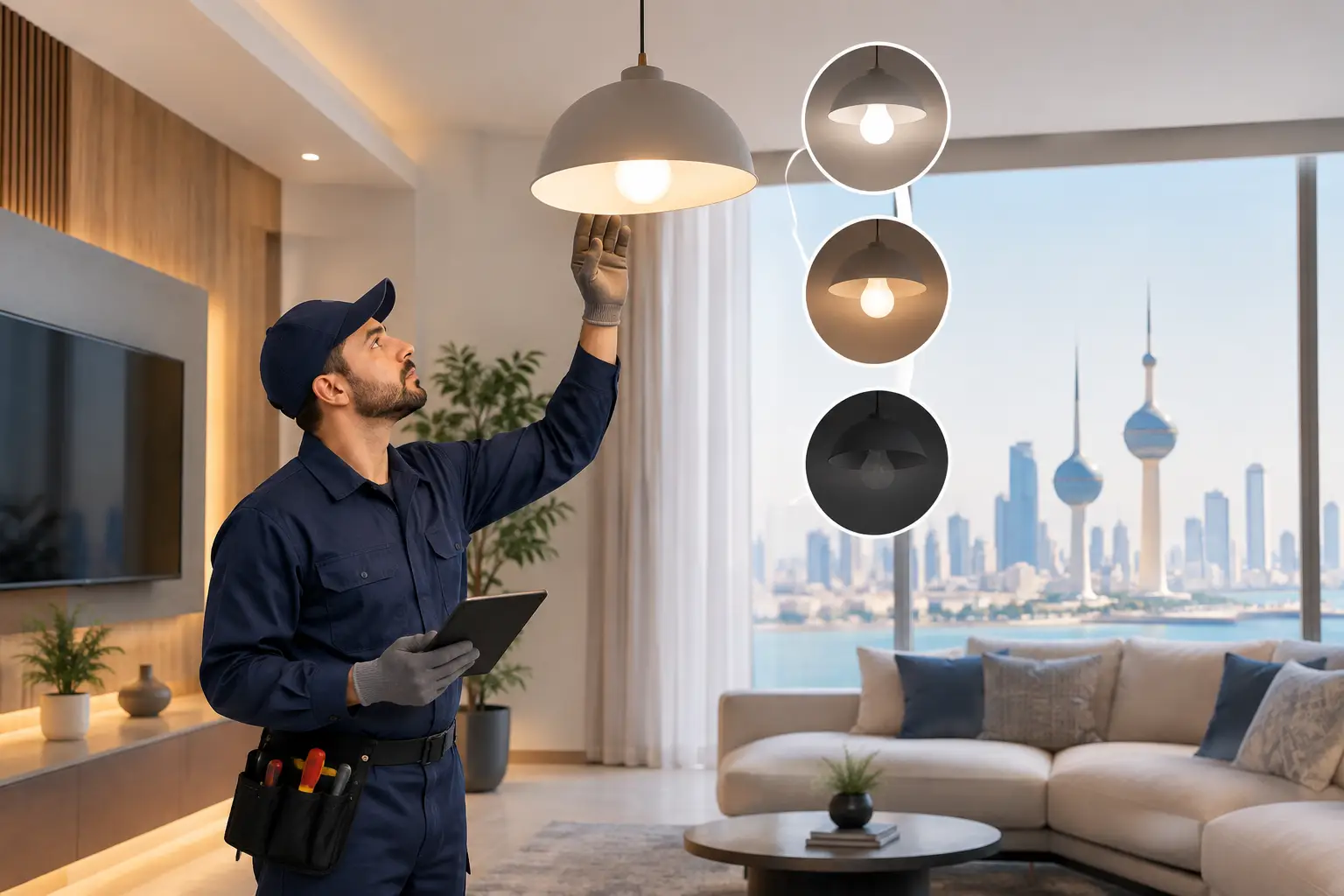
A light that flickers once when an appliance starts may be a minor disturbance. A light that repeatedly dims, flashes, or changes brightness is different. If you are asking, why do lights flicker, the answer can range from a loose bulb to an electrical connection that needs professional attention.
For homes, apartments, offices, and retail spaces, flickering lights should not be ignored when the issue is frequent, affects several rooms, or appears alongside heat, buzzing, or a burning smell. Electrical systems carry real risk when faults are left unresolved, especially in properties with aging fixtures, high cooling loads, or frequent equipment use.
Why Do Lights Flicker in a Home or Building?
Flickering happens when the power reaching a light is interrupted or changes unexpectedly. Sometimes the cause is limited to one bulb or fixture. In other cases, it points to a problem in the circuit, electrical panel, or incoming power supply.
The pattern matters. A single LED bulb that flickers may have a compatibility issue. Multiple lights dimming when the air conditioner starts can indicate a temporary voltage drop. Lights flickering throughout the property may require a more urgent inspection of the electrical installation.
A loose bulb or fixture connection
A bulb that is not seated correctly can make inconsistent contact inside the fixture. This is common with older fixtures, bulbs that have been changed recently, or fittings exposed to vibration. The light may flicker when a door closes, when people walk nearby, or when the fixture is switched on.
The issue may also be inside the fixture itself. Worn lamp holders, loose internal connections, or heat-damaged components can interrupt the electrical path. Because fixture wiring can remain live even when the light is switched off, it is not a repair to attempt without a qualified electrician.
LED bulb and dimmer incompatibility
LED bulbs use far less electricity than traditional bulbs, but they can flicker when installed on a dimmer that was designed for older incandescent lamps. A non-dimmable LED connected to a dimmer may flash, buzz, fail to dim evenly, or switch off unexpectedly at low settings.
Not every flickering LED indicates a wiring fault. If the problem is limited to lights controlled by one dimmer, compatibility is a likely cause. A technician can confirm whether the bulb, dimmer, or fixture needs replacement and ensure the components are suitable for the circuit.
Overloaded circuits and heavy equipment startup
Air conditioning units, pumps, refrigerators, elevators, and some commercial equipment use more power when starting. A brief dimming of nearby lights can occur as these loads begin operating. In Kuwait, where air conditioning is essential for much of the year, this pattern is particularly noticeable in villas, apartments, offices, and shops.
Brief and occasional dimming is not always a sign of immediate danger. However, strong or repeated flickering when equipment starts may mean the circuit is overloaded, the equipment has an electrical issue, or connections need inspection. It depends on the severity, how often it happens, and whether the lights return to normal quickly.
Loose wiring or a failing electrical connection
Loose connections are one of the more serious reasons lights flicker. Electrical connections can loosen over time through heat cycles, movement, poor past installation, or normal wear. A loose wire can create resistance, generate heat, and cause intermittent power to a fixture or circuit.
Warning signs can include a switch plate that feels warm, a buzzing sound at a switch or fixture, discoloration around an outlet, or flickering that changes when a switch is touched. Do not continue using the affected fixture or outlet. Arrange a qualified electrical inspection rather than trying to tighten wires or remove covers yourself.
Problems in the electrical panel
The electrical panel distributes power to the circuits around a property. If a breaker, connection, or internal component is faulty, lights may flicker in one area or across several areas. You may also notice breakers tripping, appliances shutting down, or lights becoming unusually bright before dimming again.
A panel issue is not limited to older buildings. Recent renovations, added air conditioning units, new appliances, and changed electrical loads can all affect how a panel performs. A professional assessment should consider the property’s current use, not only its original electrical design.
Utility or building supply fluctuations
If lights flicker in several properties at the same time, the source may be outside your individual unit. In apartment buildings and commercial premises, shared electrical infrastructure can also affect multiple tenants.
Ask nearby occupants or building management whether they are seeing the same issue. This helps identify whether the problem is isolated to your space or may involve the wider building supply. Even then, a repeated problem within your unit should be checked, particularly if sensitive equipment, computers, security systems, or refrigeration are affected.
Warning Signs That Need Prompt Electrical Attention
Some flickering is inconvenient. Other patterns suggest an electrical fault that should be treated as a priority. Request qualified electrical support promptly if you notice any of the following:
- Lights becoming much brighter or dimmer without explanation
- Flickering in several rooms or on more than one circuit
- Breakers tripping repeatedly
- Burning odors, visible scorching, smoke, or unusual heat near switches, outlets, fixtures, or the panel
- Crackling or buzzing from electrical components
- A tingling sensation, sparks, or an electric shock from a switch, appliance, or outlet
If there is smoke, sparking, or an active burning smell, keep people away from the affected area and seek emergency assistance through the appropriate local channels. Do not touch damaged electrical equipment, exposed wiring, or a panel that appears wet or overheated.
What a Professional Electrical Inspection Should Check
A useful inspection does more than replace a bulb. The electrician should identify whether the fault is in the lamp, fixture, switch, circuit, panel, or incoming supply. This avoids a temporary fix that leaves the underlying issue in place.
For a flickering-light concern, electrical maintenance may include checking the affected fixture and lamp holder, reviewing switches and dimmers, testing circuit connections, inspecting breakers and panel conditions, and assessing whether high-load equipment is affecting the circuit. If the issue relates to air conditioning startup or another fixed system, the electrical and equipment condition may both need to be considered.
For landlords and building managers, documenting the location, timing, and pattern of flickering can make the visit more efficient. Note whether it happens in one room or throughout the property, whether it starts when a particular appliance runs, and whether breakers have tripped. Tenants should report those details to the responsible property contact rather than attempting to investigate internal wiring.
When a Single Flickering Bulb Is Probably the Issue
A single lamp may be the cause when only one bulb flickers, other lights on the same circuit work normally, and there are no sounds, smells, heat, or breaker issues. LED bulbs near the end of their service life can also flicker before failing.
Even in this situation, use caution. If replacing a normal accessible bulb does not resolve the problem, or if the fixture itself shows signs of damage, stop using it and arrange an inspection. Repeated bulb failures in the same fixture are a reason to check the fixture and circuit, not simply continue changing lamps.
Electrical Maintenance for Flickering Lights in Kuwait
Flickering lights can be easy to dismiss during a busy day, but electrical symptoms rarely become clearer by waiting. Tasleeh provides managed electrical support as part of its MEP Maintenance Services Kuwait offering, with a defined approach to diagnosing building-system concerns in homes, offices, and commercial spaces.
The appropriate next step depends on the pattern. One isolated LED may need a suitable replacement component. Frequent flickering, lights affected across multiple rooms, or any heat, odor, noise, or tripping should be assessed by a qualified electrical professional. Request an electrical service visit with clear details of what you have noticed so the issue can be investigated safely and properly.