
Building Maintenance Essentials in Kuwait
Building maintenance essentials for Kuwait properties: warning signs, service scope, and planning for HVAC, plumbing, and electrical systems in daily use.
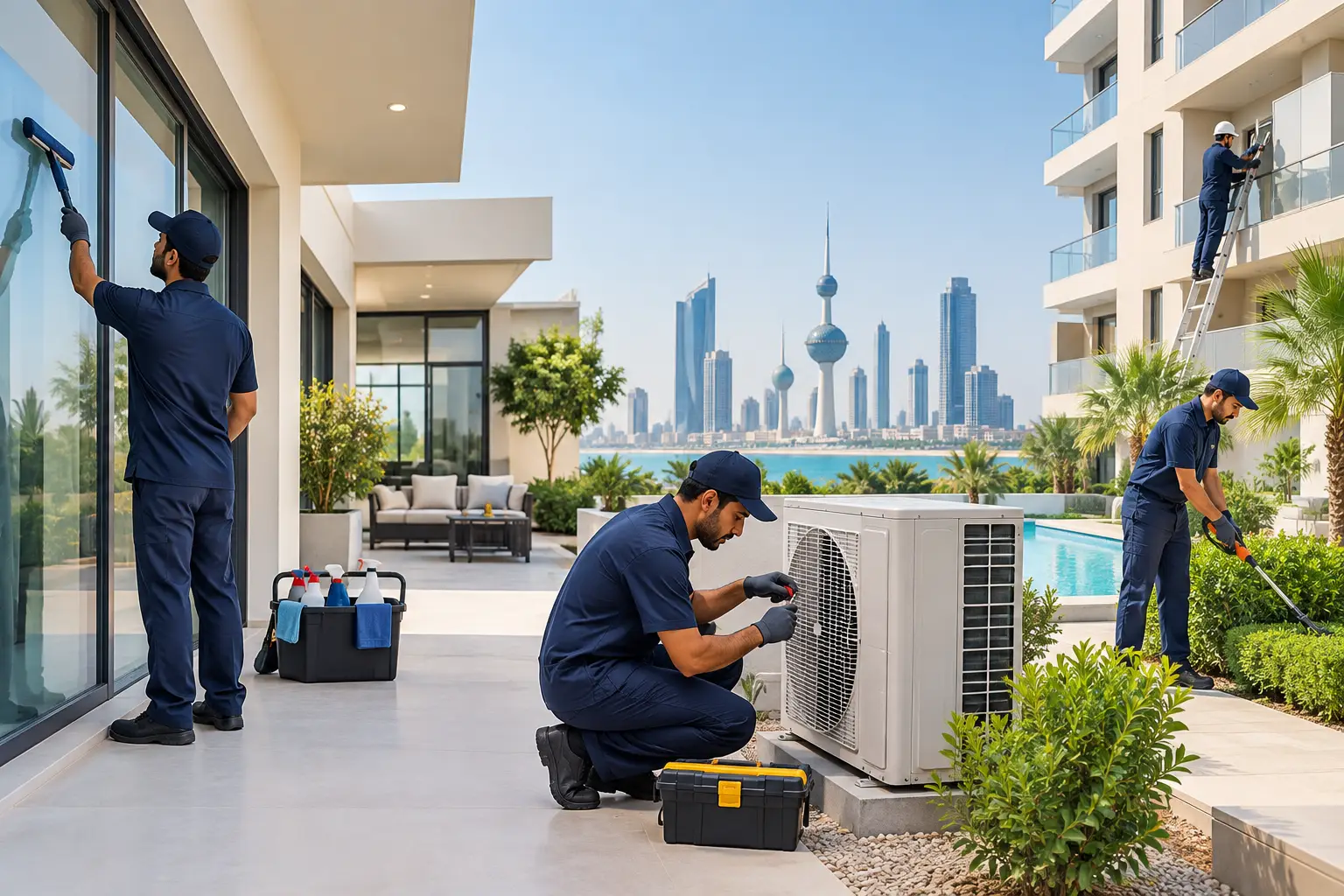
A cooling system that runs longer than usual, a breaker that trips again, or a small stain spreading across a ceiling can quickly become a bigger building issue. Building maintenance essentials are not about fixing every minor defect immediately. They are about protecting the systems people rely on each day - air conditioning, electricity, water supply, drainage, and the specialist equipment that supports a safe, usable property.
For homes, offices, retail units, and managed buildings in Kuwait, preventive attention matters because heat, dust, high AC use, and constant water demand place real pressure on essential systems. A clear maintenance plan helps property owners and tenants spot problems early, request the right service, and avoid disruption where possible.
What Building Maintenance Essentials Usually Include
The core of building maintenance is MEP Maintenance Services Kuwait: mechanical, electrical, and plumbing work. In everyday terms, this means keeping cooling, power, water, and drainage systems in working condition. The exact scope depends on the property type, its age, occupancy, and the equipment installed.
HVAC maintenance covers the equipment that cools and circulates air. This may include checking AC performance, airflow, filters, drainage, controls, and visible signs of wear. In Kuwait, an AC issue is more than a comfort concern during the hotter months. Poor cooling can affect residents, employees, customers, equipment, and the day-to-day use of the space.
Electrical maintenance focuses on systems that deliver power safely and consistently. Common service needs include investigating repeated breaker trips, non-working outlets, lighting faults, damaged switches, unusual heat around electrical points, and problems affecting part of a property. Electrical concerns need qualified assessment. Repeatedly resetting a breaker without finding the cause can leave the underlying issue unresolved.
Plumbing maintenance includes water leaks, poor water flow, blocked or slow drainage, toilet faults, damaged fixtures, and problems with water heaters or pumps where applicable. A small leak can damage finishes, create odor issues, increase water waste, or affect the unit below. Prompt professional inspection is usually more practical than waiting for visible damage to worsen.
Specialist services may also be needed to support the wider condition of a building. Pool maintenance, pest control, CCTV work, outdoor landscape care, and cleaning each have their own service scope and should be handled by an appropriate managed specialist provider rather than treated as general repair tasks.
Warning Signs That Need a Service Request
Not every maintenance issue is an emergency, but waiting is rarely helpful when a building system shows repeated or worsening symptoms. The useful question is not whether the issue seems minor today. It is whether it is likely to affect safety, comfort, hygiene, or operations if left unresolved.
For HVAC, watch for rooms that cool unevenly, weak airflow, water dripping from an indoor unit, unusual sounds, musty odors, or an AC system that runs continuously without reaching the set temperature. Dust buildup and heavy seasonal use can contribute to performance problems, but the cause may also involve drainage, controls, electrical components, or the unit itself. A qualified technician should assess the system rather than relying on temporary adjustments.
For plumbing, request support when there is recurring leakage, water discoloration, reduced pressure, persistent drain odor, gurgling sounds, slow drainage in more than one fixture, or moisture on walls and ceilings. If water is near an electrical outlet, appliance connection, or electrical panel, keep people away from the area and arrange professional help without delay.
For electrical systems, warning signs include flickering lights, frequent breaker trips, burning smells, buzzing sounds, outlets that feel warm, damaged covers, or power loss in a specific area. Do not remove panel covers, handle exposed wiring, or attempt to bypass a breaker. These symptoms require a qualified electrical technician who can identify whether the issue is related to a circuit, connection, load, appliance, or building component.
Building managers should also pay attention to patterns. If multiple tenants report the same issue, if a problem returns after a previous repair, or if complaints increase at certain times of day, that information helps the service provider investigate more efficiently.
Preventive Maintenance Is Different From Repair Work
Repair work responds to a known fault. Preventive maintenance checks the condition of a system before a failure becomes obvious. Both are necessary, but they solve different problems.
A repair visit may focus on restoring cooling to one room, stopping a visible leak, or investigating a failed electrical point. Preventive work looks more broadly at performance, wear, cleanliness, drainage, operating condition, and early signs that need attention. For a villa, this may be a periodic review of AC units and plumbing fixtures. For an office or commercial property, it may require a planned schedule that considers working hours, customer areas, shared facilities, and business continuity.
The right frequency depends on use. A lightly occupied apartment does not place the same demand on its systems as a busy office, restaurant-adjacent retail space, or multi-unit residential building. HVAC equipment generally needs closer attention before and during periods of heavy use, while plumbing and electrical systems should be reviewed whenever recurring symptoms appear or after alterations to the property.
A maintenance plan should remain practical. Scheduling visits that do not match the property’s equipment, age, or operating hours creates unnecessary work. On the other hand, waiting until a system fails can lead to greater disruption, especially when cooling, drainage, or power is affected.
What to Prepare Before a Technician Arrives
Clear information helps a service visit begin with the right scope. You do not need technical knowledge, but a few details can make diagnosis more efficient. Note when the problem started, whether it is constant or intermittent, which rooms or fixtures are affected, and whether any recent building work or power interruption occurred.
For an AC concern, describe the unit location, the cooling issue, and whether there is leaking water or an unusual sound. For plumbing, identify the affected fixture and whether the issue involves clean water, drainage, or visible leakage. For electrical faults, explain what stopped working, whether a breaker tripped, and whether the issue occurs when specific equipment is used.
Property managers can also prepare access to relevant areas, such as service rooms, ceiling access points, electrical panels, or pump areas. This does not mean opening equipment or attempting a repair before the visit. It simply allows the qualified provider to inspect the necessary areas safely and avoid delays.
Choosing a Managed Service Scope
A useful maintenance service begins with a clear scope. Customers should understand whether the visit is for inspection, diagnosis, routine maintenance, repair, or follow-up work. This is especially relevant in buildings where one visible symptom may have several possible causes.
For example, a ceiling stain may appear to be a plumbing problem, but it could be related to AC drainage or another source of moisture. Weak cooling may be caused by a unit-level issue, airflow restriction, controls, drainage, or an electrical concern. A managed provider should assess the condition, explain the finding in plain language, and communicate the appropriate next step.
Tasleeh delivers managed HVAC, electrical, and plumbing maintenance with defined service scopes and professional customer communication. Where a specialist service is required, such as pool maintenance, pest control, CCTV, or outdoor landscape work, it should be assigned to an approved provider with the right expertise for that system.
Building Maintenance Essentials for Shared and Commercial Spaces
Shared buildings need more coordination than individual homes. A leak in one apartment can affect another unit. A common-area electrical fault can affect access, lighting, or safety. AC performance in an office may affect staff comfort and productivity long before the equipment stops completely.
Building managers should keep a simple record of recurring issues, previous service dates, and areas with repeated complaints. This supports better decisions about whether the need is a one-time repair, a system review, or scheduled maintenance. It also improves communication with tenants and reduces uncertainty when access to units or common areas is required.
For businesses, maintenance should be planned around the practical use of the space. Retail properties may need work arranged outside busy customer periods. Offices may need advance notice for access to meeting rooms or ceiling areas. The service approach should respect operations while giving technicians enough access to assess the problem properly.
When cooling weakens, water appears where it should not, or electrical faults repeat, the sensible next step is to request qualified maintenance rather than wait for a complete failure. A clear service scope and timely professional assessment can help keep the property functioning as it should.