
Home Maintenance in Kuwait: What Needs Attention
Plan home maintenance around Kuwait’s heat, dust, water use, and electrical load. Learn warning signs, service scope, and when to request qualified help.
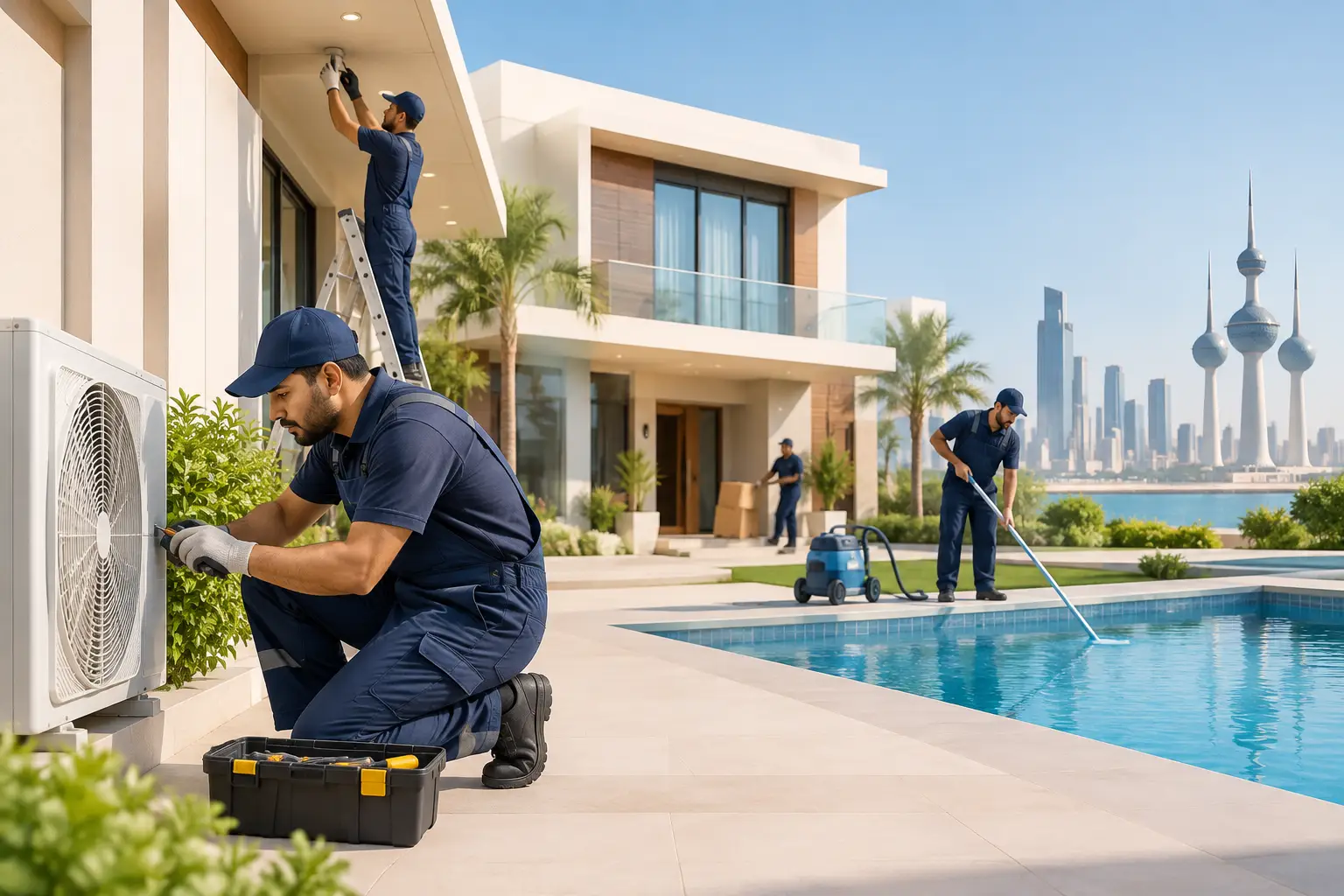
A home can seem completely fine until an air conditioner stops cooling during a hot afternoon, a small ceiling stain becomes a plumbing leak, or a circuit begins tripping without warning. Good home maintenance is less about fixing everything at once and more about noticing the early signs that essential systems need attention.
For homes, apartments, villas, offices, and retail spaces in Kuwait, heat, dust, heavy AC use, and high water demand put extra pressure on building systems. A practical maintenance plan helps property owners and tenants deal with issues before they interrupt daily life, damage finishes, or affect comfort and safety.
Home Maintenance Starts With Essential Systems
The highest-priority maintenance work is usually not cosmetic. HVAC, electrical, and plumbing systems keep a property usable every day, and a fault in one can quickly affect the others. For example, an AC drainage issue may lead to water damage, while an electrical problem can prevent cooling equipment or water pumps from operating normally.
Start by considering how each system is performing rather than waiting for a complete failure. You do not need technical knowledge to spot changes. What matters is reporting clear symptoms to a qualified maintenance provider so the right inspection can be arranged.
HVAC: Cooling, Airflow, and Drainage
In Kuwait, an air conditioning system often works harder and longer than homeowners expect. Reduced cooling, weak airflow, unusual noise, water dripping from an indoor unit, musty odors, or rooms that cool unevenly all deserve attention. These signs can be related to filters, drainage, electrical components, refrigerant performance, or other parts of the system.
A proper HVAC visit should focus on the reported issue and the condition of the relevant equipment. Depending on the symptom, the work may include inspection, cleaning where appropriate, drainage checks, testing operating performance, and identifying parts that require repair or replacement. The required scope depends on the unit type, its condition, and whether the issue affects one room or the wider property.
Do not remove AC covers, handle wiring, or attempt to refill or adjust equipment yourself. These systems combine electricity, moving parts, and pressurized components. Early professional attention is usually more useful than waiting until the unit stops entirely.
Plumbing: Small Signs Can Become Larger Damage
A dripping faucet is easy to notice. Hidden plumbing issues are less obvious and can be more disruptive. Look for damp patches on walls or ceilings, a persistent drain odor, low water pressure in one area, water pooling around fixtures, slow drainage, or an unexpected increase in water use.
The right plumbing service starts with locating the source of the issue. A visible stain is not necessarily where the leak began, and simply covering or repainting the affected area does not resolve the cause. A qualified technician can inspect fixtures, drainage connections, water lines, and accessible areas to determine what needs repair.
Urgency depends on the symptom. Active water flow, sewage odors, water near electrical outlets, or a spreading ceiling stain should be reported promptly. If it is safe to do so, avoid using the affected fixture until the issue is assessed. Do not try to open pipes, dismantle valves, or use aggressive chemical drain products that may damage plumbing or complicate the repair.
Electrical: Treat Changes Seriously
Electrical maintenance is not limited to a complete power outage. Frequent breaker trips, flickering lights, warm outlets or switches, burning smells, buzzing sounds, or appliances that lose power intermittently are all warning signs. In offices and commercial spaces, overloaded circuits and changing equipment loads can create additional concerns.
An electrical service visit may involve inspecting circuits, outlets, switches, panels, connected equipment, and the affected area to identify the fault. The exact work should be based on a clear diagnosis, not guesswork. If an outlet feels hot, there is smoke or a burning smell, or a power issue is affecting essential equipment, stop using the affected point and request qualified assistance.
Avoid resetting breakers repeatedly or replacing electrical components without professional assessment. A breaker that trips again is communicating that a condition needs investigation.
A Practical Home Maintenance Schedule
The right frequency depends on the property. A family villa with several AC units, outdoor areas, and high occupancy needs a different plan from a small apartment or lightly used office. Equipment age, tenant turnover, building layout, and previous repair history also matter.
For most properties, cooling systems deserve regular attention before and during periods of heavy use. Plumbing should be checked whenever there are signs of leakage, drainage problems, or pressure changes, while electrical systems should be assessed when circuits trip, modifications are planned, or connections show signs of heat or wear.
It is also useful to keep a simple record of recurring issues. Note the room, the date, what happened, and whether the fault appears at a particular time of day. This helps a maintenance team understand whether a problem is isolated or part of a wider building-system issue.
What a Professional Maintenance Visit Should Cover
Customers often request maintenance because something is wrong, but the service needs to begin with clear communication. Before the visit, explain the symptom, its location, when it started, and whether it is constant or intermittent. If there has been a recent power interruption, renovation, water leak, or change in equipment use, mention that as well.
During the visit, the technician should assess the relevant system, explain the observed condition in understandable terms, and clarify the recommended work. Some issues can be resolved during the initial visit. Others require replacement parts, further testing, or coordinated work because the fault involves more than one system.
This is where controlled service scope matters. A maintenance provider should not treat every request as a vague general repair. HVAC, electrical, and plumbing work require the right trade, a defined task, and an explanation of what is being checked or repaired. This approach makes it easier for customers to understand what is happening in their property and what follow-up may be needed.
Home Maintenance for Tenants, Landlords, and Managers
Tenants can help by reporting problems early and describing them accurately. A photo of a water stain or a short video of an unusual AC noise can be useful, but no one should attempt to expose wiring, access equipment panels, or dismantle plumbing to investigate further.
Landlords and property owners benefit from addressing repeat problems at their source. Repainting after each leak, repeatedly resetting a tripped breaker, or arranging only emergency AC repairs can lead to greater disruption over time. A record of service history helps identify equipment that needs closer monitoring or planned replacement.
Building managers have an added responsibility to consider shared systems and the effect on occupants. A drainage issue, electrical fault, or cooling problem may start in one unit but affect common areas or neighboring spaces. Clear access arrangements, accurate issue reporting, and timely communication reduce unnecessary delays.
When to Request Maintenance
Request maintenance when a system is no longer performing normally, even if it still appears to be working. Reduced cooling, repeat leaks, slow drains, power fluctuations, unusual odors, and recurring circuit trips are not issues to postpone until they become emergencies.
For a suspected electrical hazard, active water leak, or AC failure affecting a vulnerable occupant or critical business area, explain the urgency when making the request. Give the service team enough detail to prepare for the condition rather than simply reporting “maintenance needed.”
Tasleeh provides managed HVAC, electrical, and plumbing maintenance with defined service scopes and clear customer communication. When an essential system shows a warning sign, a qualified assessment can protect the property, limit disruption, and give you a clearer next step than waiting for a complete breakdown.