
Vehicle Detailing Service Checklist in Kuwait
Use this vehicle detailing service checklist to compare interior, exterior, and protection work, set expectations, and inspect the finished car properly.
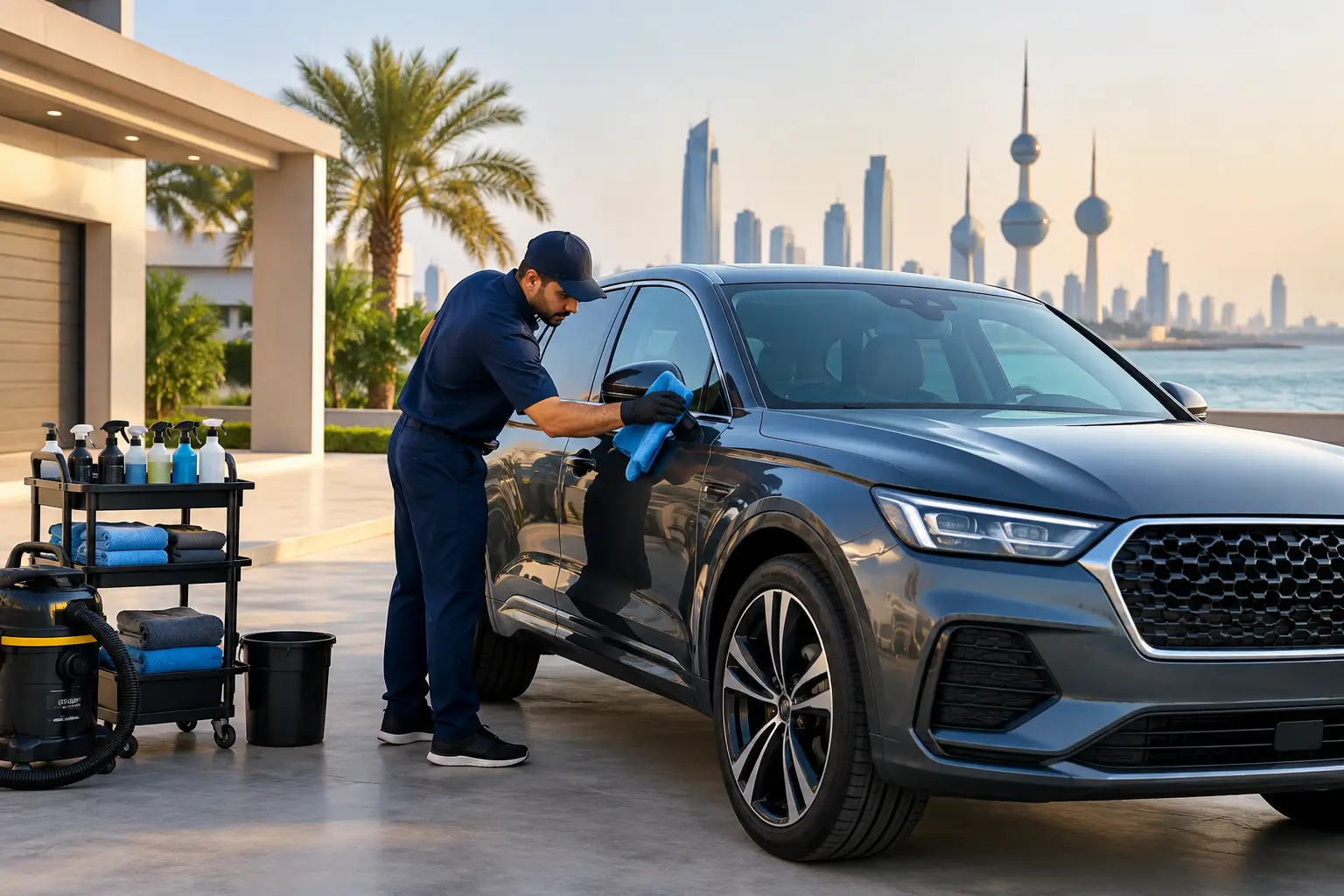
A vehicle can look clean after a quick wash and still carry dust in the vents, stains in the seats, dull paint, and residue on the glass. A clear vehicle detailing service checklist helps you distinguish a full cleaning service from a basic wash and makes it easier to agree on the work before the vehicle is handed over.
For drivers in Kuwait, this matters because sand, high heat, strong sunlight, and frequent use of air conditioning can affect both the appearance and comfort of a car. The right detailing scope depends on the vehicle's condition, its materials, and whether the goal is routine upkeep, preparing for sale, or restoring a neglected interior.
What a Vehicle Detailing Service Should Cover
Detailing is a thorough cleaning and appearance-care service for a vehicle's exterior and interior. It should be based on a defined scope, rather than a vague promise to make the car look "new." A professional provider should explain what is included, identify areas that may need extra treatment, and set realistic expectations for permanent wear, faded surfaces, deep scratches, or damaged upholstery.
A standard service usually covers exterior washing, wheel cleaning, interior vacuuming, wipe-down of hard surfaces, glass cleaning, and basic treatment of the cabin. More intensive work may include stain removal, leather conditioning, odor treatment, paint decontamination, polishing, or protective coatings. These are separate processes and should not be assumed to be included unless confirmed.
Before scheduling, tell the provider about pet hair, food spills, smoke odor, child seats, sand buildup, water marks, damaged trim, or sensitive surfaces. This allows the service team to prepare the right cleaning approach and avoid surprises after the work begins.
Vehicle Detailing Service Checklist Before You Book
The most useful checklist starts before the service. Take a quick walk around the vehicle in good light and note its condition. Photos can help record existing scratches, dents, cracked trim, torn seats, warning lights, or missing accessories. Detailing can improve cleanliness and appearance, but it does not repair body damage, mechanical faults, electrical issues, or failed air-conditioning components.
Confirm the service scope in clear terms. Ask whether the provider will clean the door jambs, wheels, tires, wheel arches, exterior glass, mirrors, dashboard, console, cup holders, vents, carpets, mats, seats, trunk, and interior glass. If a task matters to you, have it included in the agreed scope.
A practical pre-service checklist includes:
- Remove personal documents, cash, valuables, chargers, and loose items from the cabin and trunk.
- Point out stains, odors, pet hair, sticky residue, or areas with heavy sand buildup.
- Identify special materials such as leather, suede-like trim, fabric headliners, matte paint, vinyl wraps, or aftermarket coatings.
- Confirm whether child seats, spare tires, trunk organizers, and floor mats will be moved or cleaned around.
- Ask what level of paint correction is realistic if the vehicle has swirl marks, oxidation, bird-dropping marks, or deeper scratches.
- Check whether the vehicle needs an exterior-only, interior-only, or complete detailing service.
This conversation is not about adding unnecessary work. It helps prevent a common problem: expecting stain removal or paint restoration when the booked service only includes general cleaning.
Exterior Checklist: More Than a Wash
Exterior detailing starts with safe removal of loose dust and road film. In Kuwait, fine sand can collect around badges, window seals, door edges, grille openings, and wheel areas. If it is rubbed across dry paint, it can contribute to visible marks. The service should use suitable washing methods and clean tools rather than treating the exterior like a quick roadside wash.
The exterior scope should address the paintwork, wheels, tires, glass, mirrors, lights, door handles, fuel-door area, and visible lower panels. Door jambs and trunk edges are often missed during basic washing, yet they can hold dust and grime that makes an otherwise clean car feel unfinished.
Ask what will be done for paint condition. Wax or a basic sealant can improve gloss and add short-term protection, while polishing may reduce the appearance of light swirls and surface marks. However, polishing removes a very fine amount of clear coat and is not appropriate every time a car is cleaned. Deep scratches, chipped paint, and dents require assessment by the relevant automotive specialist, not a detailing promise.
Tires and wheels need their own attention. Brake dust, road dirt, and old tire dressing can leave wheels looking dull. A proper service should clean the visible wheel surfaces and apply products suitable for the finish. Excessively shiny tire dressing is not always better, especially if it leaves residue on the bodywork or attracts dust quickly.
Interior Checklist: Cleanliness, Comfort, and Materials
The interior often determines whether detailing feels worthwhile. Sand under the seats, dust in the dashboard seams, fingerprints on screens, and streaked windows are noticeable every time you drive. A good interior service should clean the cabin carefully without soaking fabrics or leaving slippery residue on pedals, steering wheels, or controls.
Vacuuming should cover carpets, floor mats, seats, seat rails, crevices, and the trunk where accessible. Hard surfaces such as the dashboard, center console, door panels, cup holders, and switches should be cleaned with materials suited to the surface. Screens and instrument panels need particular care, as harsh products or aggressive wiping can leave marks.
For fabric seats and carpets, ask whether spot treatment is included and whether deep extraction is necessary. It depends on the type and age of the stain. Some stains can be improved substantially, while old spills, dye transfer, or chemical damage may remain visible. If wet cleaning is used, the cabin needs adequate drying time before normal use to reduce lingering dampness and odor.
Leather seats require a different approach. Cleaning removes body oils and surface dirt, while conditioning can help maintain a more natural finish. It cannot repair cracked, torn, or heavily worn leather. Headliners also need care because aggressive scrubbing or excess moisture can affect the adhesive behind the fabric.
Air vents should be dusted as part of a tidy interior service, but a detailing appointment is not the same as air-conditioning maintenance. If there is weak cooling, water leakage, unusual odor from the system, or a warning light, arrange qualified vehicle inspection rather than relying on fragrance or surface cleaning.
Add-Ons Worth Discussing, Not Assuming
Some vehicles need services beyond a standard full detail. These may be worthwhile, but only when the condition supports them. An odor treatment may help after food spills, smoking, or prolonged moisture exposure, although it cannot reliably solve an active water leak or a mechanical issue in the ventilation system.
Paint decontamination can help when the paint feels rough despite washing. Polishing may improve gloss where light surface marks are present. Protective treatments for paint, glass, fabric, or leather can make routine cleaning easier, but their performance depends on preparation, vehicle storage, driving conditions, and maintenance afterward.
Be cautious with broad claims about permanent protection or scratch-proof finishes. No exterior treatment makes a vehicle immune to Kuwait's sun, dust, road debris, or poor washing practices. The useful question is what the treatment is designed to do, how it should be maintained, and what limitations apply.
Inspecting the Vehicle When the Service Is Finished
Inspect the vehicle before accepting the handover, ideally in good lighting. Start outside, then sit inside the cabin. Check that windows and mirrors are clear, wheel faces are clean, door jambs are free from obvious dirt, and no product residue remains around handles, trims, or panel gaps.
Inside, look at the seats, carpets, mats, dashboard, console, cup holders, trunk, and interior glass. Confirm that the controls, seat positions, mirrors, and personal settings have been returned as agreed. Make sure no cleaning product has been left on pedals, steering surfaces, screens, or leather.
If an agreed area has been missed, raise it while the vehicle is still with the service team. Clear communication at handover is more effective than trying to resolve a vague concern later. It is also reasonable to recognize limits: a detailer can remove dirt and improve appearance, but cannot erase every sign of age, heat exposure, scratches, or material deterioration.
How Often Should a Vehicle Be Detailed?
There is no single schedule for every driver. Vehicles parked outdoors, used daily, driven in dusty areas, or carrying children and pets may need more frequent interior and exterior care. A lightly used vehicle kept under cover may need a full detail less often, with regular washing and cabin cleaning in between.
For most owners, the trigger is condition rather than a fixed calendar date. Book a more thorough service when the cabin no longer feels clean after routine cleaning, the exterior has built-up contamination, odors persist, or you are preparing the car for a sale, lease return, or important use. A defined checklist keeps the conversation focused on the vehicle you have, not on a generic package.
A well-detailed vehicle should feel cared for when you open the door, not merely polished at first glance. Choose a service with a clear scope, inspect the result calmly, and keep the agreed checklist for the next visit.